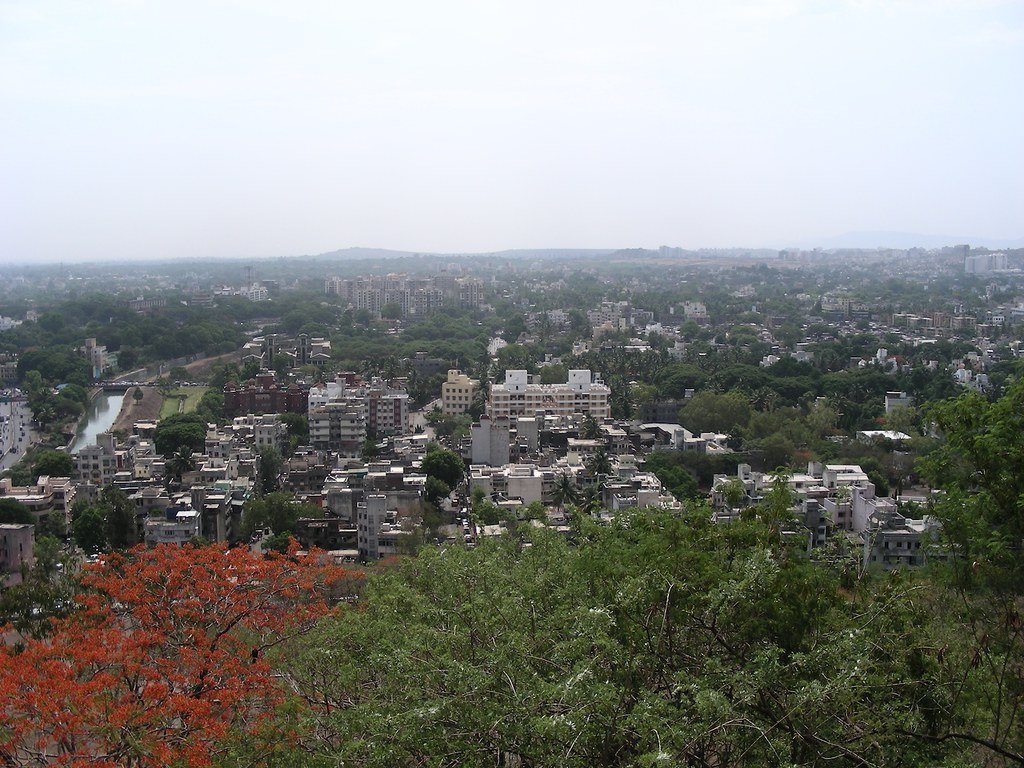
Pune is the cultural capital of Maharashtra and India's great college town -- a sprawling, energetic city of four million that manages to feel more livable than Mumbai, just three hours down the expressway. Perched on the Deccan Plateau at 560 meters, it enjoys a climate that stays pleasant when much of India is sweltering, and the green Western Ghats rise dramatically to its west.
The city's identity was forged in the seventeenth century as the power base of the Maratha empire. Shivaji grew up in these hills, and the Peshwa rulers who succeeded him made Pune their capital, leaving behind the fortified walls of Shaniwar Wada and a constellation of hilltop forts in every direction. That martial and intellectual tradition never really faded -- the British made it a major cantonment, and after independence Pune became a hub of education, research, and military training. The National Defence Academy, the Film and Television Institute of India, and Pune University all call it home.
Today Pune is also one of India's major IT and automotive centers, which has brought money, restaurants, and a cosmopolitan edge without entirely displacing the old Maharashtrian character. The cantonment area still feels like a leafy colonial hill station, while Shivajinagar and Deccan Gymkhana buzz with students, bookshops, and street food vendors selling vada pav and misal. Koregaon Park draws an international crowd, partly because of the Osho International Meditation Resort, which has been pulling spiritual seekers from around the world since the 1970s.
What makes Pune genuinely worth a visit is the combination of history, food, and accessibility to some of Maharashtra's most dramatic landscapes. Within a day trip you can reach ancient Buddhist caves at Karla and Bhaja, the dramatic cliff-top fort of Sinhagad, the hill stations of Lonavala and Mahabaleshwar, and the wildlife sanctuary at Bhimshankar. The city itself rewards a few days of wandering -- from the Raja Dinkar Kelkar Museum's 15,000-piece collection of Indian artifacts to the eighth-century rock-cut Pataleshwar Caves hiding in plain sight among modern apartment blocks.