Nagpur is the largest city in central India and the second capital of Maharashtra, sitting almost exactly at the geographic centre of the country — a fact marked by a Zero Mile Stone from the British era near the old courthouse. The city is a major junction on the rail and road networks connecting Mumbai, Delhi, Kolkata, and Hyderabad, and most travellers encounter it as a transit point. But Nagpur has more character than its reputation as a stopover suggests.
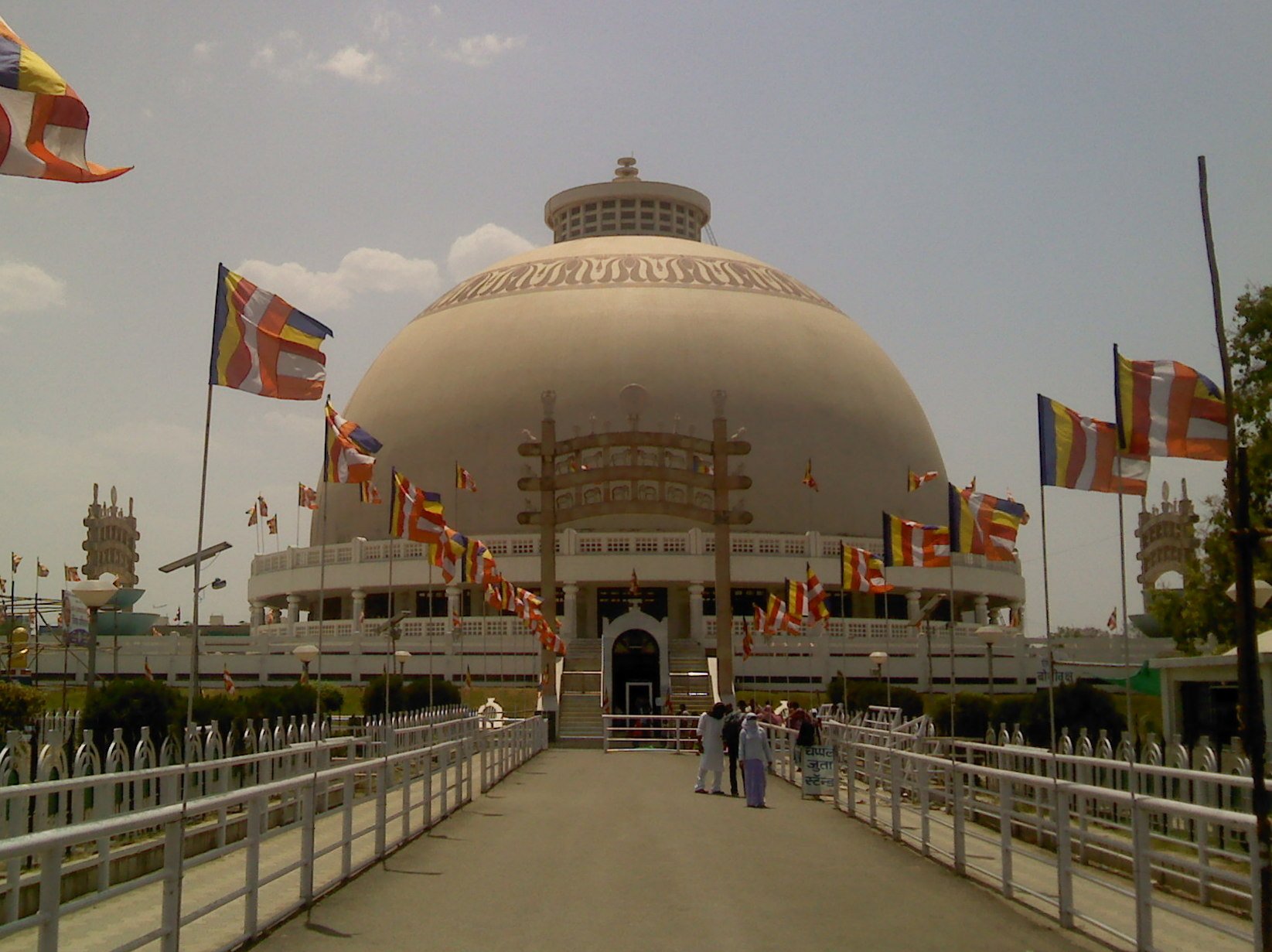
The city is famous across India for its oranges — the Nagpur orange is a distinct variety, and the surrounding orchards make the winter months fragrant. Deekshabhoomi, a massive white stupa in the city centre, marks the spot where Dr. B.R. Ambedkar and hundreds of thousands of followers converted to Buddhism in 1956; it is one of the most important Buddhist pilgrimage sites in India. Sitabuldi Fort, built on twin hills in the middle of town, saw fierce fighting during the Anglo-Maratha wars and is now an army installation with limited access.
For wildlife enthusiasts, Nagpur is the gateway to several of India's finest tiger reserves. Pench National Park, Tadoba-Andhari Tiger Reserve, and Navegaon-Nagzira are all within a few hours' drive. The city's Dr. Babasaheb Ambedkar International Airport has direct flights to Mumbai, Delhi, and other major cities, making it easy to combine a tiger safari with a broader trip through Maharashtra.