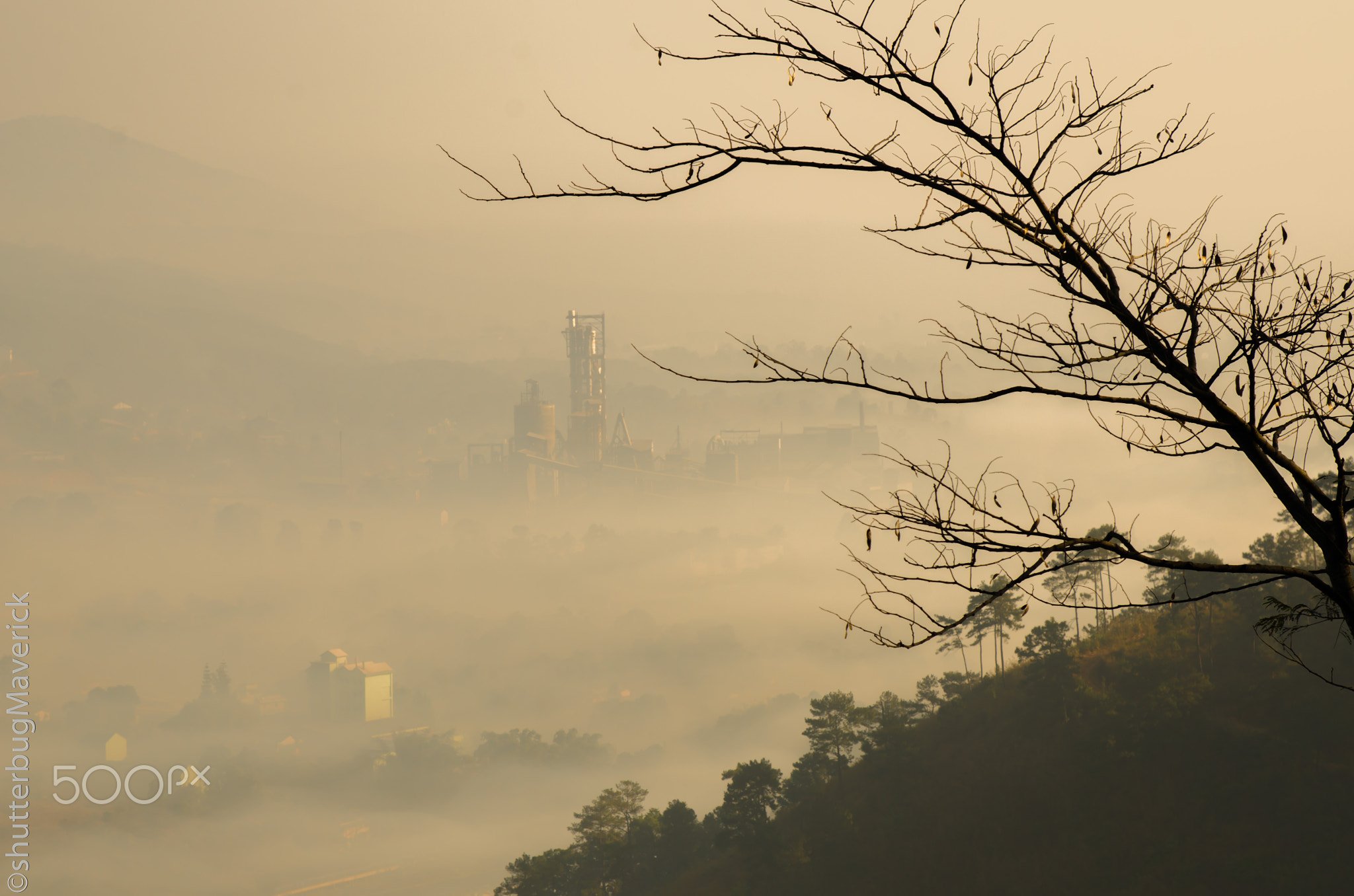
Shillong, the capital of Meghalaya, sits at around 1,500 metres in the Khasi Hills. The British called it the "Scotland of the East" for its pine-covered hills, cool climate, and colonial-era architecture. Today it is a lively university town with a character quite unlike anywhere else in India — the Khasi people have a matrilineal society, and the blend of tribal, colonial, and modern Indian cultures gives the city a distinctive feel.
The music scene is the first thing many visitors notice. Shillong has an outsized reputation for rock and blues, with live gigs in small venues and cafes around Police Bazar and Laitumkhrah. Bob Dylan's influence runs deep here, and the city has produced several well-known Indian rock bands. The bustling Bara Bazaar is worth exploring for its displays of local produce, betel nut, dried fish, and hand-woven Khasi textiles.
Beyond the city, Shillong serves as the gateway to some of Meghalaya's most remarkable landscapes. The living root bridges of Cherrapunji and Mawlynnong — bridges grown over generations from the aerial roots of rubber fig trees — are a few hours to the south. Cherrapunji (Sohra) and Mawsynram compete for the title of wettest place on earth, and the waterfalls in the area during the monsoon are spectacular. Ward's Lake and Shillong Peak offer pleasant outings closer to town, while Umiam Lake on the road from Guwahati is a good spot for boating and picnics. The seven-storey Don Bosco Museum is the best primer in India on the cultures of the Northeast.