Krishnanagar
©
Krishnanagar

Krishnanagar

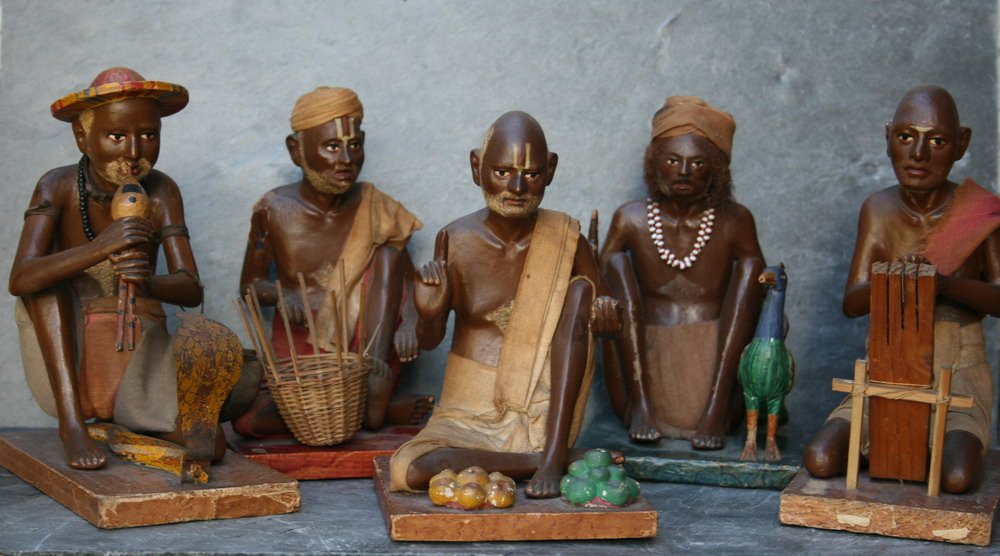
Nadia district town known for Ghurni's centuries-old painted clay sculpture workshop lanes.

Krishnanagar is a district headquarters in Nadia, about 2.5 hours by train from Kolkata's Sealdah station. It is named after Raja Krishnachandra, the 18th-century king whose palace still stands in the town. The palace has historical significance but is not in great shape; it is worth a look.

The real reason to visit is Ghurni, a neighbourhood on the edge of town that has been a centre of clay sculpture for at least three centuries. The Patras — the families who carry on the craft — make astonishingly detailed and painted figures of gods, historical characters, and everyday Bengali life from the local clay. Several studios are open to visitors and sell finished pieces. The figures range from small affordable pieces to large commissions. Walking through Ghurni's lanes while craftsmen work is a genuinely interesting hour or two.

The bank of the Jalangi River is pleasant in the evening. Krishnanagar makes a good day trip from Kolkata or an overnight stop on the way to or from Nabadwip, which is just 15 km away.

Guide

Day Trips

The obvious day trip from Krishnanagar is Nabadwip, 15 km to the south, the medieval Bengali capital and a major Vaishnava pilgrimage centre tied to the saint Sri Chaitanya. The two towns are commonly combined into a single overnight from Kolkata.

Guide

Getting There

Krishnanagar is best reached by train from Kolkata. Frequent local and express services run from Sealdah station and take between two and two and a half hours. Get off at Krishnanagar City Junction, which is more central than the older Krishnanagar station.

By road the town is about 100 km from Kolkata via NH-12 and is a three-hour drive depending on traffic out of the city. Buses from Esplanade in Kolkata also run throughout the day. Nabadwip is 15 km south and is a natural extension to a trip.

Guide

Shopping

The clay sculptures of Ghurni are the main thing to buy in Krishnanagar. Many of the Patra workshops keep finished pieces for sale on shelves at the front; prices are negotiable and the artisans will pack carefully for travel.

Krishnanagar is also known for sarpuria and sarbhaja, two distinctive Bengali sweets made from the layered cream that forms on the surface of slowly reduced milk. Shops along the main bazaar sell them by weight; they travel for a day or two.

Guide

When to Go

Krishnanagar has a typical Gangetic plain climate: hot and dry from March to May (highs over 38°C / 100°F), heavy monsoon rains from June through September, and clear, comfortable winters from November to February. The best months to visit are November through February.

The town's biggest festival is Jagaddhatri Puja in late November, an enormous four-day celebration of the goddess Jagaddhatri that draws crowds from across Bengal. The town is decorated, the streets are full of huge clay images on their way to immersion, and accommodation is almost impossible to find without a long-advance booking. If you can manage it, this is the best week of the year to be here.