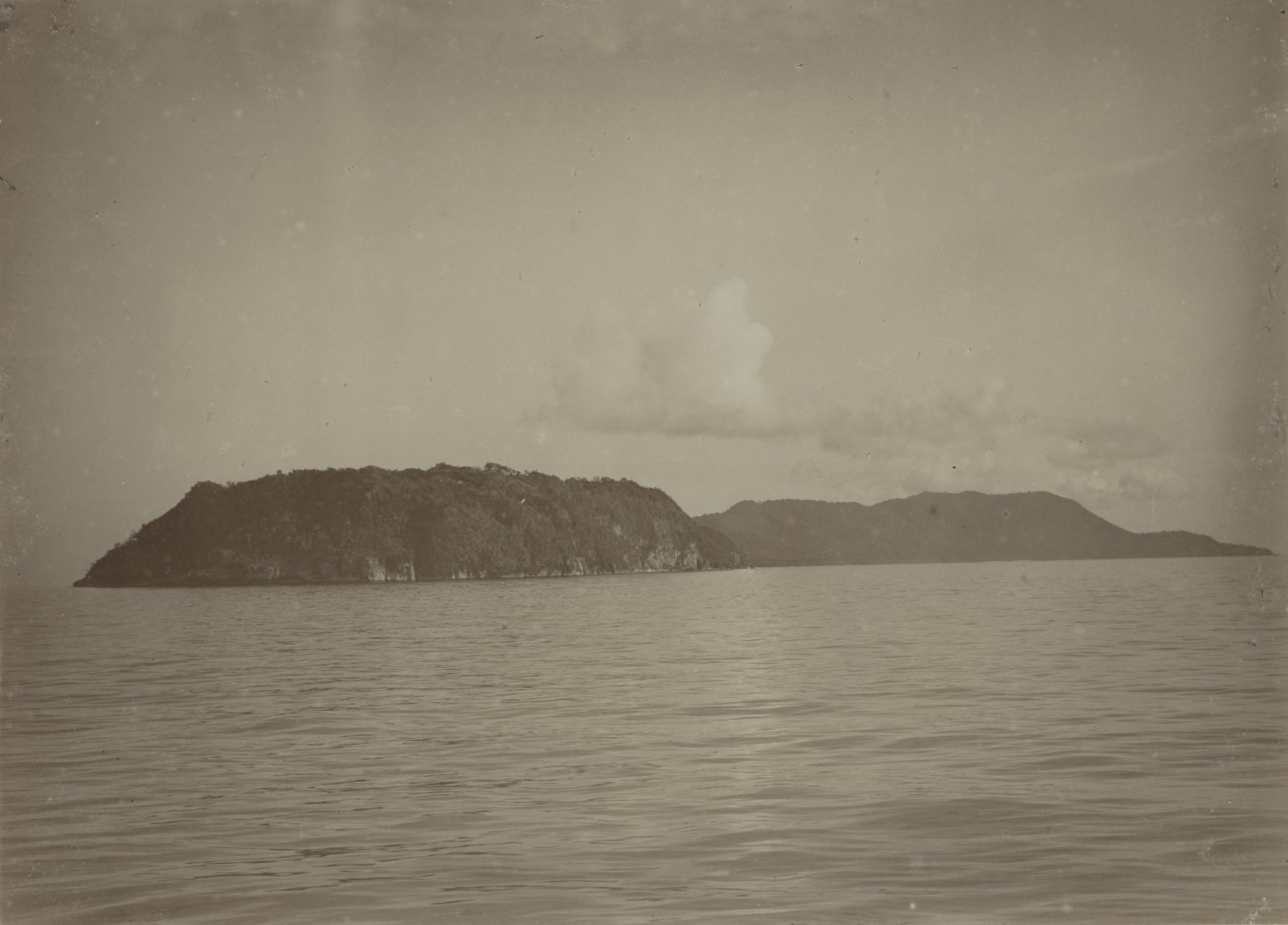
Kei Islands
©
Kei Islands

Kei Islands

Remote southeast Maluku island group known for powder-white beaches, turquoise water, and quiet village life.

Tucked away in remote southeast Maluku, the Kei Islands are famous for having some of the finest unspoilt white-sand beaches in all of Indonesia. Pasir Panjang on Kei Kecil is the standout — a long arc of powder-white sand fringed by turquoise water, with only basic accommodation nearby.

The regional capital Tual, on the narrow strait between Kei Kecil and Kei Besar, has better facilities but few attractions of its own. It is well connected to Ambon by air and sea. Kei Besar, the larger and more mountainous island, is less visited and wilder, with traditional villages perched on hillsides above the coast. Getting around the islands requires patience and a willingness to negotiate with boat owners, but the rewards — empty beaches, warm water, and a genuine sense of remoteness — are considerable.

Guide

Getting There

The Kei Islands are remote and require some planning to reach. The most practical approach is by air.

By air: Karel Sadsuitubun Airport near Tual has regular flights to Ambon (around 1 hour), from where connections to Jakarta, Makassar, and other Indonesian cities are frequent. Garuda Indonesia and Wings Air (a Lion Air subsidiary) serve the route. Flights from Ambon to Tual operate several times weekly but can be full — book in advance.

By sea: Pelni, the national shipping line, operates a network of large ferries through Maluku that call at Tual. Routes connect to Ambon (around 16 hours), Banda, and Dobo in the Aru Islands. The Pelni network runs on a two-week schedule; check current timetables at pelni.co.id. A faster speedboat service runs between Ambon and Tual, taking around 8 hours, though this route is weather-dependent.

On the islands: Bemos (shared minibuses) and ojeks (motorcycle taxis) connect Tual and Langgur to the beaches. For Kei Besar and more remote beaches, charter a wooden motorboat from the main Tual dock — prices are negotiated.

Guide

Things to Do

The Kei Islands' main draw is the beaches and the sea. Pasir Panjang on Kei Kecil is the standout — a long arc of white sand with water the colour of a swimming pool, consistently ranked among Indonesia's finest beaches. Snorkelling and diving are exceptional: the reefs around Kei Kecil and the straits between the islands are in good condition with strong coral and clear visibility.

Kei Besar rewards the more adventurous traveller: a larger and more mountainous island with traditional villages, forested hillsides, and a largely unvisited coastline. The regional capital Tual has limited attractions but is the logistical hub for the islands. War Debris Beach near Tual has the rusting remains of World War Two aircraft and equipment visible both on the beach and just offshore — a haunting and unusual attraction.

Guide

When to Go

The Kei Islands have a tropical monsoon climate. The dry season runs from approximately October to March, with calm seas, good visibility for diving, and reliable weather for boat trips. This is the best time to visit.

The wet season (April to September) brings rougher seas and can make boat travel to Kei Besar and the outer beaches difficult or impossible. Rain doesn't fall all day every day, but the swells make open-water crossings uncomfortable and sometimes dangerous for small boats. Some guesthouses reduce their services or close entirely in the wettest months.

October and November are generally the best months: the dry season has re-established itself, seas are calm, and the islands are relatively uncrowded before the Indonesian school holiday period. Indonesian public holidays (particularly Lebaran and the August independence day period) bring a surge of domestic visitors to Pasir Panjang; avoid these periods for a quieter experience.