An Nasiriyah
©
An Nasiriyah

An Nasiriyah

Euphrates city in southeastern Iraq, used as a gateway to Ur and the Mesopotamian Marshes.

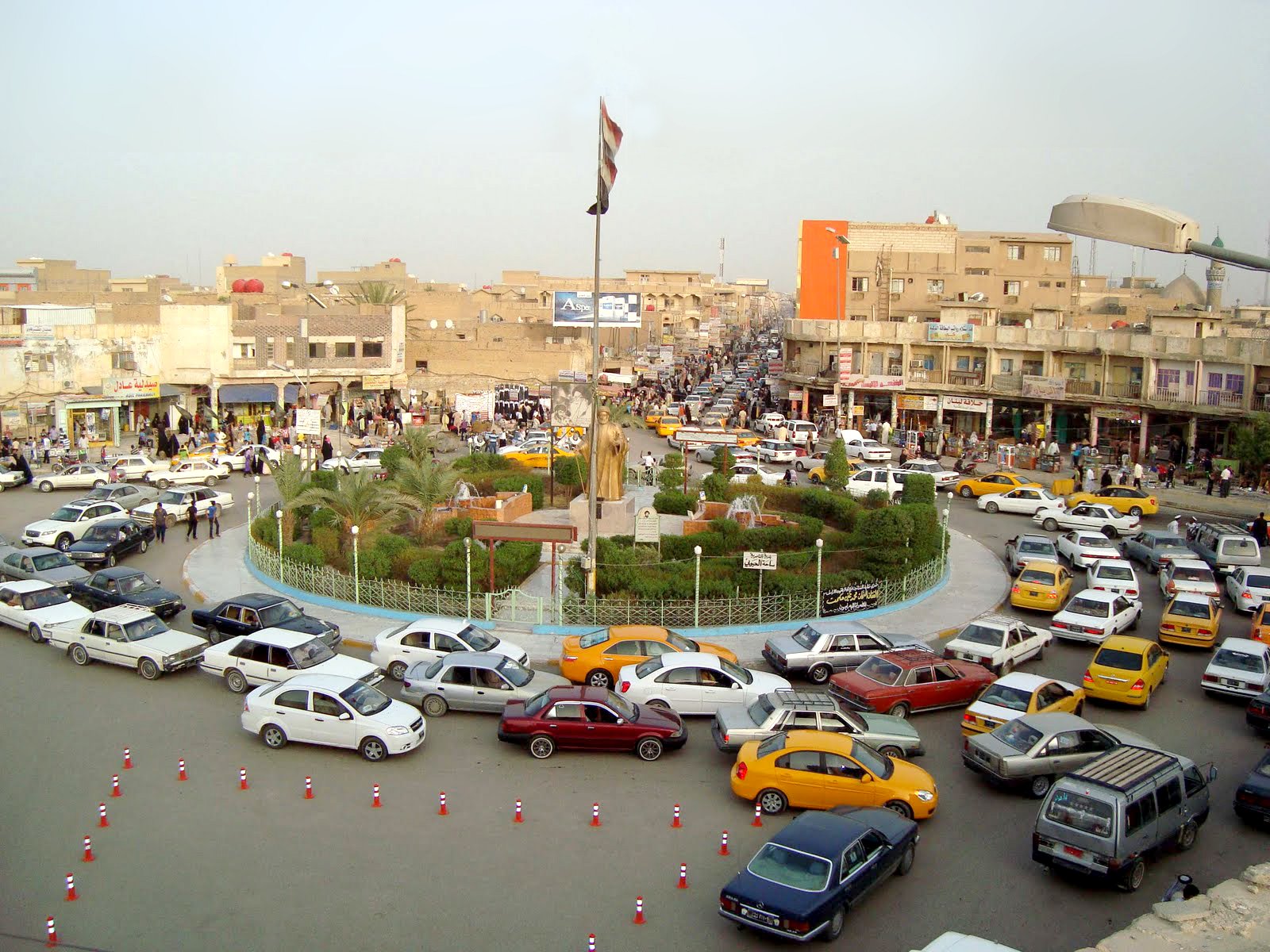
An Nasiriyah is the capital of Dhi Qar Governorate in southeastern Iraq, on the Euphrates River. Founded in 1870, it is a provincial city of around 800,000 people and the main gateway for visiting the nearby ruins of Ur, one of the oldest cities in the world.

The city itself is a working Iraqi provincial town, but the Nasiriyah Museum is worth a visit before heading to the archaeological sites — it holds a solid collection of Sumerian objects from Ur and the surrounding region that makes the ruins more legible.

To the east of Nasiriyah begin the Mesopotamian Marshes — one of the largest wetland systems in the world and home to the Marsh Arabs (Madan), who have lived here in reed houses on artificial floating islands for thousands of years. Saddam Hussein deliberately drained most of the marshes in the early 1990s as collective punishment against Shia communities who had rebelled after the Gulf War. After 2003, water was restored and large portions of the marsh have recovered. The area now has UNESCO World Heritage status. Boat trips through the marshes can be arranged in Nasiriyah, and they are one of the most remarkable travel experiences in the whole of Iraq.

Guide

Getting There

An Nasiriyah is served by Nasiriyah Airport (NJF), with regular Iraqi Airways flights from Baghdad and occasional connections to other Iraqi cities. By road from Baghdad, the city is around 370 kilometres southeast — approximately 4 to 5 hours on the main highway. Shared taxis and buses run between Baghdad and Nasiriyah, though security conditions on Iraqi roads can change; check locally before travelling overland.

From Basra, the journey is around 175 kilometres north, about 2 hours by taxi.

Guide

Things to Do

An Nasiriyah's main draw is its proximity to two UNESCO World Heritage sites: the ruins of Ur, 20 kilometres to the southeast, and the Mesopotamian Marshes to the east. Ur is easily the more celebrated — the ziggurat is one of the best-preserved in Iraq — but the marshes and the Marsh Arab villages offer a more unusual and in many ways more profound experience.

Within the city itself, the Nasiriyah Museum holds a good collection of objects from the surrounding archaeological sites, including Sumerian artefacts from Ur and Lagash. It is worth visiting before heading to the sites to understand what you are looking at.