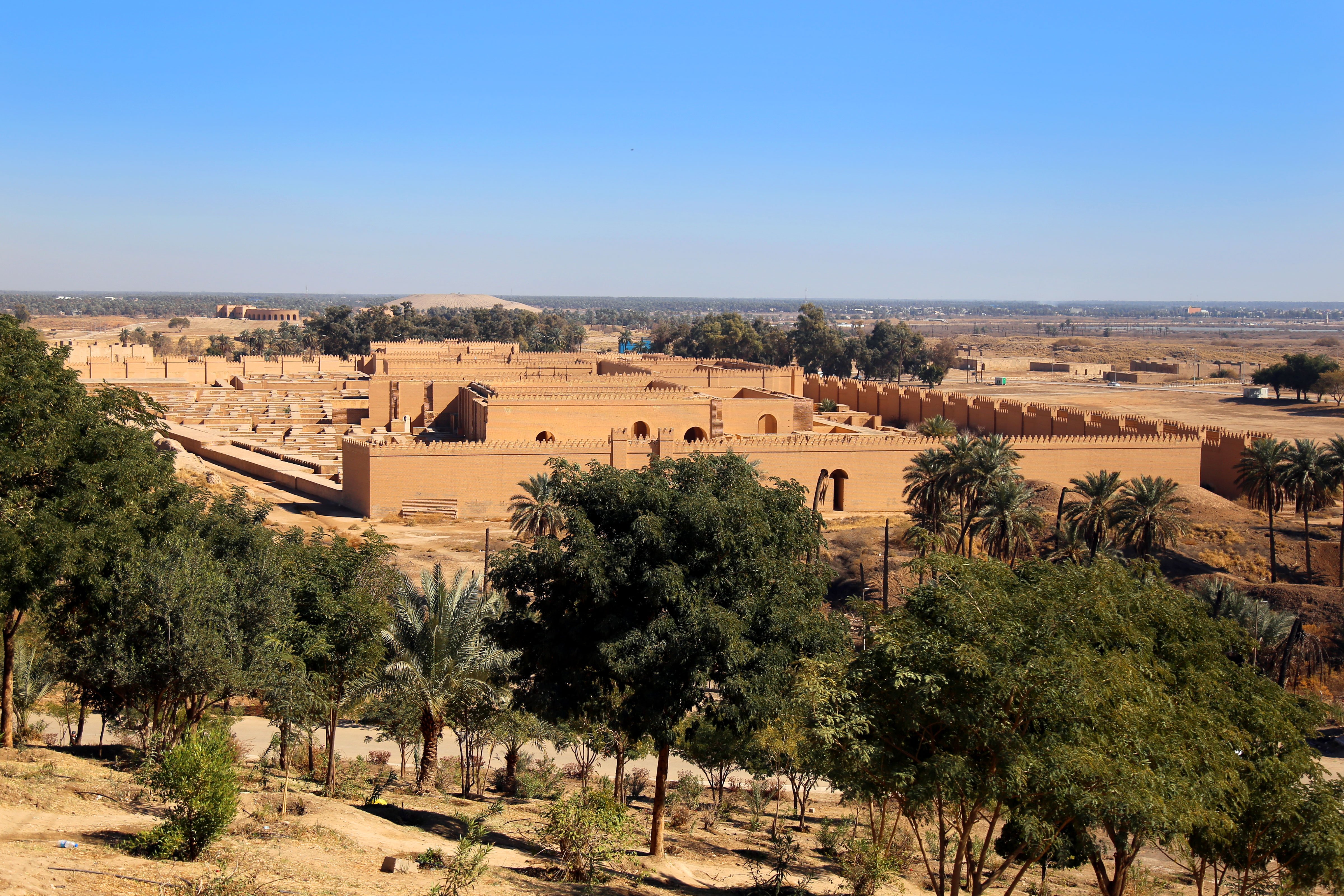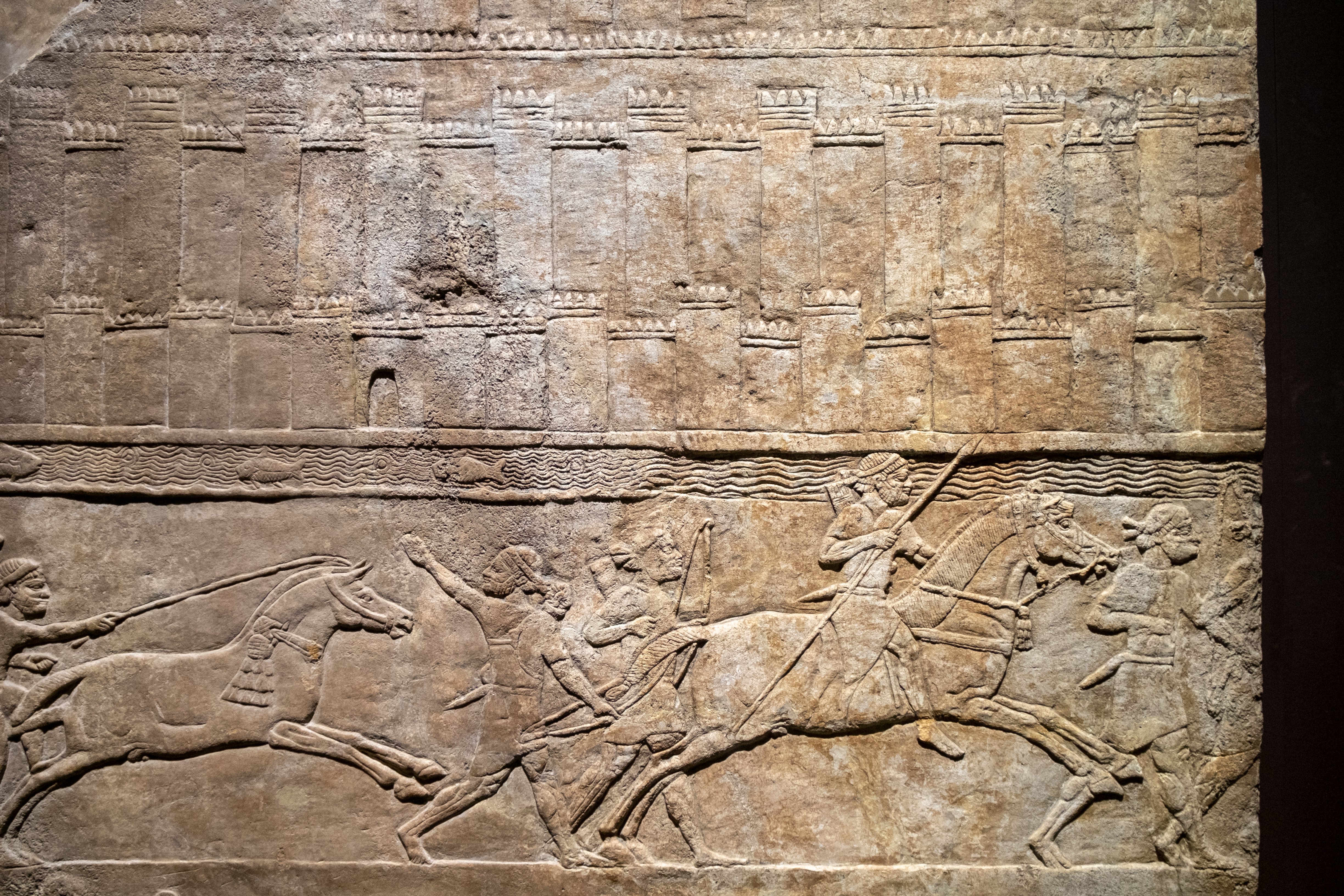
Iraq is Mesopotamia — the Land Between the Rivers, where civilization began. The Tigris and Euphrates have been feeding humanity here for at least six thousand years, and the archaeological record is extraordinary: ziggurats, royal tombs, the ruins of Babylon, the spiral minaret of Samarra, the ancient Assyrian capitals at Nineveh and Nimrud. Nowhere else on earth has quite this density of deep history.
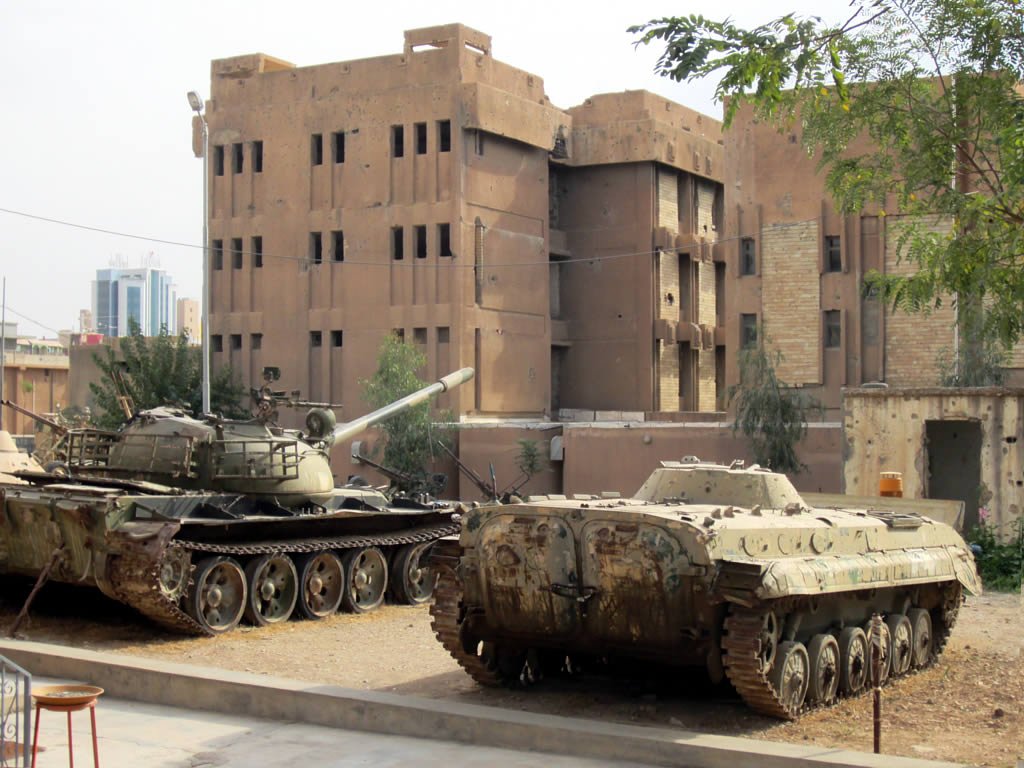
It is also a country that has been through tremendous violence — the Iran-Iraq War, the Gulf War, the 2003 invasion, years of insurgency, and the brutal ISIS occupation of much of the north and west from 2014 to 2017. Since 2017, ISIS has been militarily defeated and the country has stabilized significantly. Baghdad functions as a real capital again. Tourism is slowly returning. In 2024, around 900,000 foreign tourists visited, up 25 percent on the year before. The Arab Tourism Organization named Baghdad the Arab Capital of Tourism for 2025.
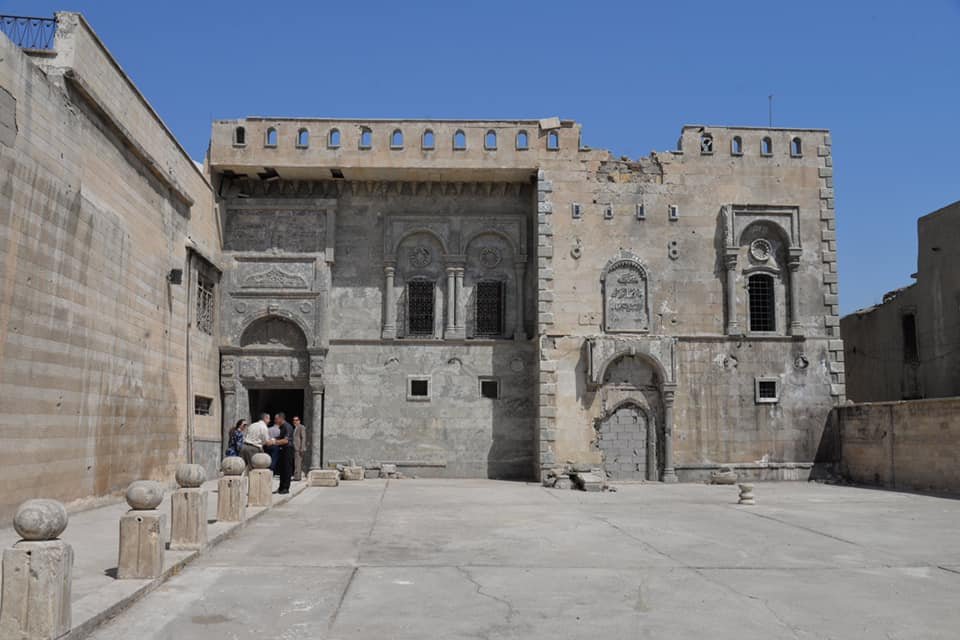
That said, Iraq is not an easy destination and it requires honest assessment by region. The Kurdistan Region in the north — comprising the governorates of Erbil, Sulaymaniyah, and Dohuk — is genuinely safe and has been receiving independent travelers for years. Erbil has international hotels, good restaurants, and a functioning tourist infrastructure. The rest of Iraq is more complicated. Baghdad is increasingly accessible and fascinating, but moving around requires care and local knowledge. The south — Karbala, An Najaf, Basra, and the marshes — is open but remains tense in places. Areas around Mosul bear the scars of the ISIS occupation and reconstruction is ongoing.
Most travelers visit on an organized tour, which is the simplest approach. Independent travel is possible but requires more preparation, patience, and a good network of local contacts. A guide or fixer is not legally required, but makes an enormous practical difference.
Destinations
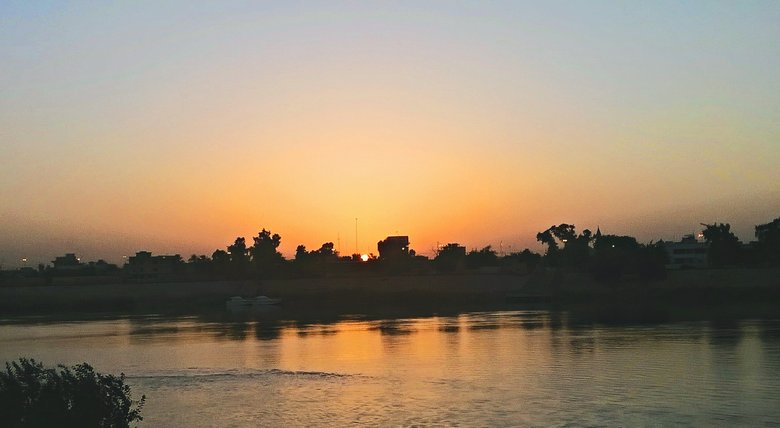
- Baghdad — the capital, on the Tigris
- Arbil (Erbil) — capital of the Kurdistan Region; ancient citadel, good base
- Mosul — rebuilding after ISIS; Nineveh and Nimrud nearby
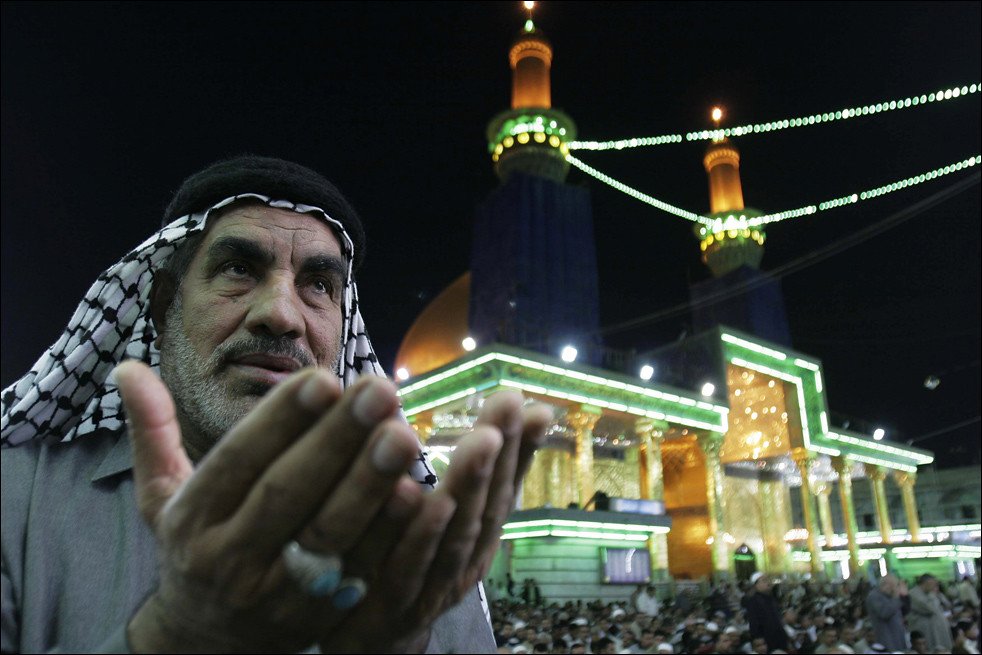
- Karbala — one of Shia Islam’s holiest cities
- An Najaf — shrine of Ali, vast cemetery of Wadi es-Salaam
- An Nasiriyah — gateway to Ur and the southern marshes
- Basra — Iraq’s southern port city and second-largest city
- Babylon — ruins of one of the ancient world’s great cities
- Samarra — the great spiral minaret, a UNESCO site
- Ur — Sumerian city, one of the oldest in the world
- Ninevah — ancient Assyrian capital near Mosul
- Nimrod — Assyrian palace complex, 37 km from Mosul
- Assur — first capital of the Assyrian empire, UNESCO World Heritage Site