Asia > Israel > Tiberias
Tiberias sits on the western shore of the Sea of Galilee, a resort town and pilgrimage destination rolled into one. Founded by Herod Antipas in 20 CE and named after the Roman emperor Tiberius, the city has spent two thousand years at the intersection of Judaism, Christianity, and later Islam, accumulating sacred sites from all three traditions in a relatively compact area.
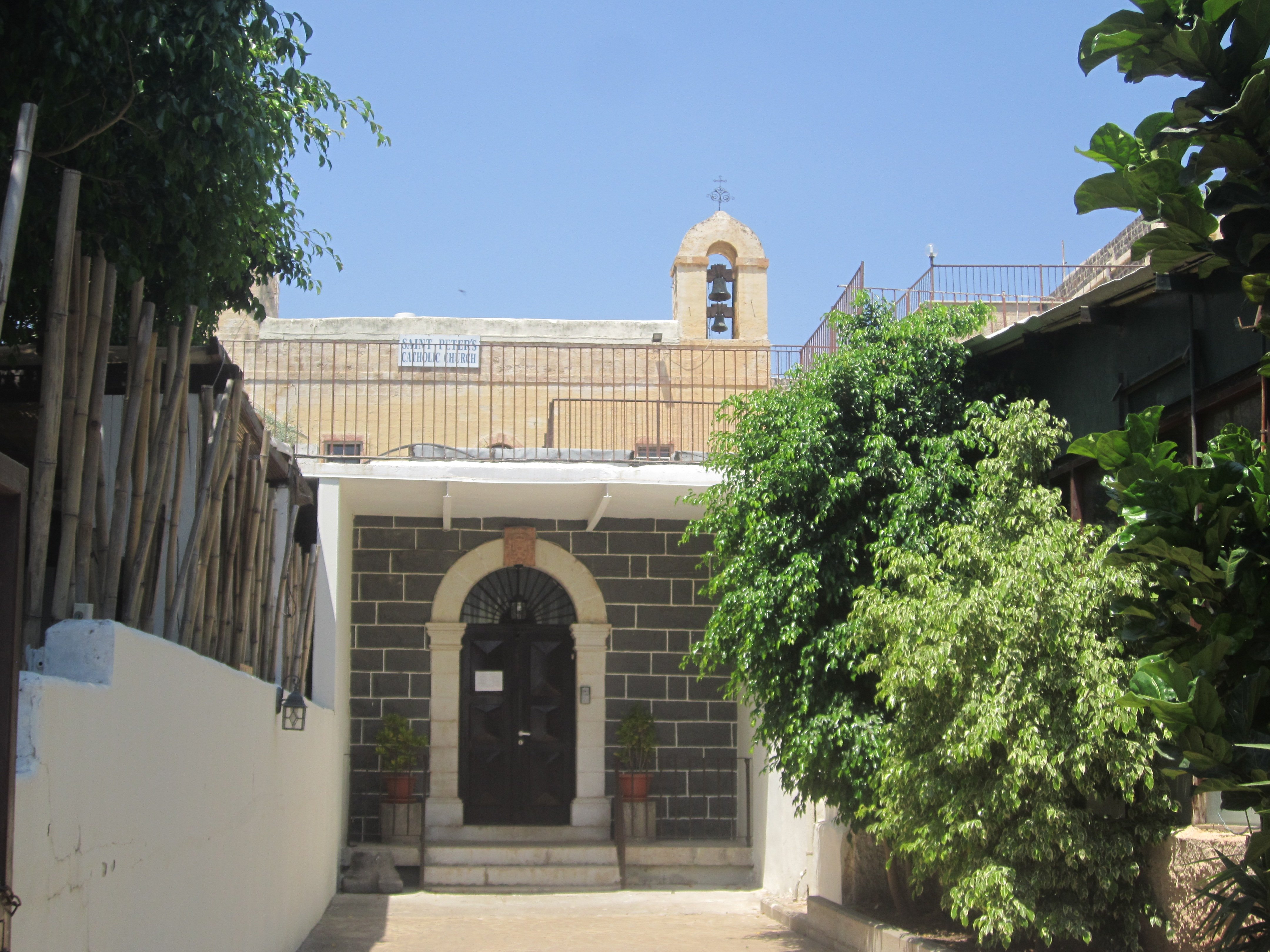
For Jewish pilgrims, Tiberias is one of the four holy cities of Judaism — the others being Jerusalem, Hebron, and Tzfat — and the tombs of several major sages draw visitors throughout the year. The Tomb of Maimonides is the most famous, though Tomb of Rabbi Akiva and the Hamath Tiberias National Park with its extraordinary synagogue mosaics are equally compelling. For Christians, the entire Sea of Galilee shore is Gospel territory, and St. Peter's Church marks the place where the apostle is believed to have lived.
The Sea of Galilee itself — the Kinneret in Hebrew — is the dominant fact of Tiberias. It is Israel's largest freshwater lake, 209 metres below sea level, and the promenade along its shore defines the town's social life. Boat trips, waterfront restaurants, and sunset views draw both tourists and Israelis on weekend breaks. The town is hotter than the Israeli coast in summer (it sits in a deep valley) and refreshingly warm in winter when the lake draws swimmers.
The region around Tiberias was the site of some of Jesus's most important activities, and the north shore of the lake — sites like Capernaum, Tabgha, and the Mount of Beatitudes — is a short drive away. Tiberias makes a practical base for exploring the whole Galilee region.