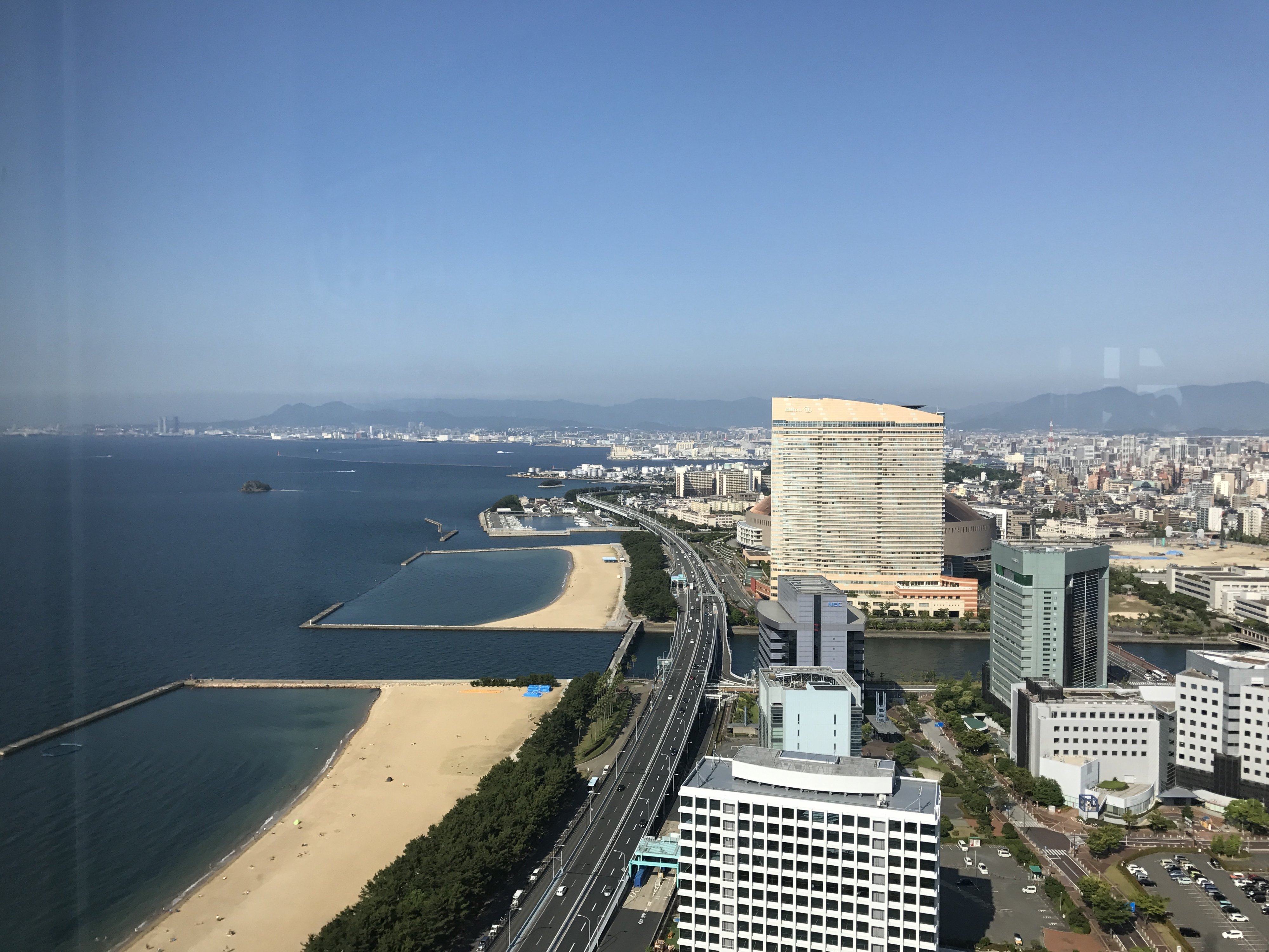
Fukuoka is Japan's sixth-largest city and by some measures its fastest-growing, a young, energetic port city on the northern coast of Kyushu that has developed a distinct identity separate from the more formal culture of Tokyo or Osaka. The city is divided roughly between Hakata — the old commercial and transport hub, home to the shinkansen station and the traditional Kushida Shrine — and Tenjin, the modern shopping and nightlife district to the west. Between them runs the Naka River, and along its central section the entertainment quarter of Nakasu clusters the city's bars, clubs, and yatai street food stalls on a narrow island of reclaimed land.
The yatai — small canvas-covered street stalls serving ramen, oden, grilled skewers, and sake from open-air counters — are Fukuoka's most distinctive evening institution. Around a hundred remain operating along the river and in the Nakasu and Tenjin areas; they are informal, convivial, and cheap, and you often end up sharing a counter with strangers. Fukuoka ramen has its own character here: the Hakata style uses a rich, creamy tonkotsu (pork bone) broth, thin straight noodles, and toppings of pickled ginger, sesame, and green onion. The city takes ramen seriously enough to have fought persistent feuds over which noodle shop is the original.
The main sights are concentrated in two areas. The Ohori Park and Fukuoka Castle district in the centre provides a green relief from the commercial city: Fukuoka Castle ruins sit on a low hill with the moat and inner park below, and the adjacent Fukuoka Art Museum has a good collection. Ohori Park itself is one of the better urban parks in Japan, with a lake circuit popular for morning runs and rowing. The Fukuoka Tower on the Momochi seafront gives panoramic views, and the nearby Fukuoka City Museum is worth a visit for its collection of ancient gold seals.
In the Hakata area, Kushida Shrine is the city's patron shrine and headquarters of the Hakata Gion Yamakasa festival, one of Japan's most energetic summer events. Tōchō-ji contains Japan's largest seated wooden Buddha — seven metres of gilded cypress enclosed in a temple barely noticed from the street. Canal City Hakata, a large covered shopping complex with a canal running through it, is a reasonable rainy-day option and a architectural oddity.