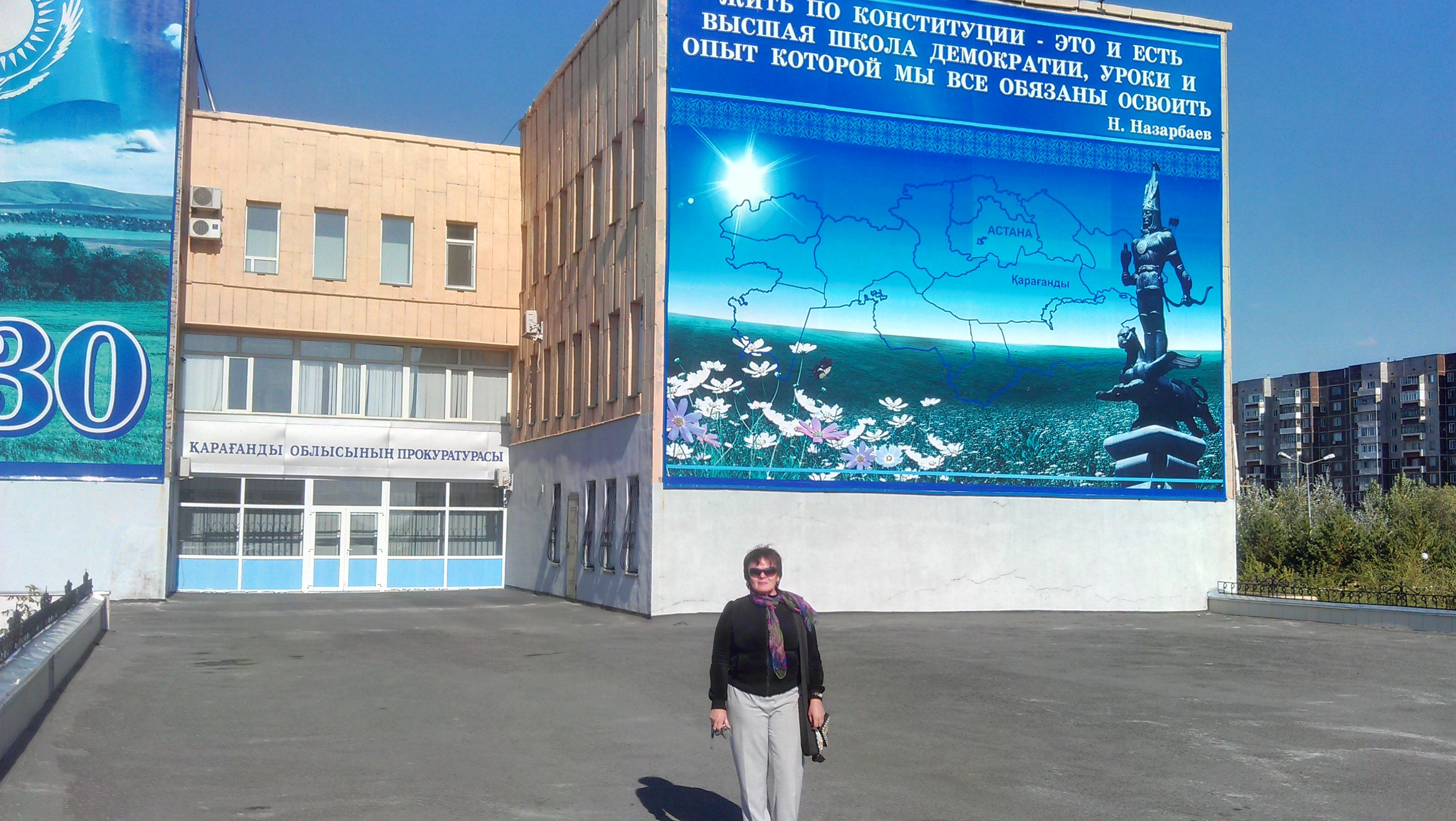
Karagandy
©
Karagandy

Karagandy

Kazakh coal city shaped by Soviet industry, Gulag history, and a large university population.

Karagandy (Karaganda) is Kazakhstan's fourth-largest city and the capital of the country's biggest region. The name comes from a word meaning "black" — fitting for a city built on coal. Founded as a mining settlement in the 1930s, it grew rapidly under Soviet industrialisation, drawing workers from across the USSR and beyond, including many who arrived involuntarily as Gulag prisoners or deported peoples.

Today it is a university city with a young population and a handful of Soviet-era monuments. The region around Karagandy holds more interest than the city itself: Baikonur Cosmodrome, the world's oldest and largest space launch facility, is located in the Karagandy region, and the copper-smelting town of Balkhash and the mining cities of Zhezkazgan and Satbayev lie to the southwest.

Guide

Eating Out

Karagandy's food scene reflects its mixed heritage. Kazakh staples like beshbarmak (boiled meat over flat noodles) and lagman (hand-pulled noodle soup) sit alongside Russian dumplings and Korean kimchi — a legacy of the Korean deportees who arrived in the 1930s and never left. The city centre has a decent spread of cafes and canteen-style restaurants, and the Central Bazaar is the best single place to graze your way through the local food culture.

Prices are low by any standard. A full meal at a local cafe costs very little, and the bazaar stalls are cheaper still. Don't expect fine dining; expect hearty, filling food made without fuss.

Guide

Getting There

Karagandy sits in the geographic heart of Kazakhstan, roughly midway between Astana and Almaty. Sary-Arka Airport (KGF) handles domestic flights, with Air Astana and SCAT operating regular services from Almaty and Nur-Sultan (Astana). The flight from Astana takes under an hour; from Almaty around 90 minutes. International connections are limited — most visitors route through one of the two main hubs.

By train, Karagandy sits on the main north–south line connecting Astana with Almaty. Journey time from Astana is around 3–4 hours; from Almaty around 12–14 hours overnight. The train station is in the city centre and is well connected to the rest of the city by bus and taxi. Road connections are reasonable — the highway to Astana is well-maintained — but driving across the steppe in winter requires preparation and a reliable vehicle.

Guide

Things to Do

Karagandy is not a city that tries to sell itself to tourists, and that honesty is part of its appeal. What it offers is a raw, unvarnished look at Soviet industrial urbanism: wide boulevards built for parades, monumental architecture designed to impress, and beneath it all a history of extraordinary suffering. The city was built largely by Gulag prisoners and peoples forcibly deported from across the Soviet Union — Koreans, Germans, Poles, Chechens — and traces of that history are everywhere if you know where to look.

The main sights cluster around the central area and can be covered on foot in a day. The Miners' Glory Monument and the Palace of Culture anchor the Soviet core, while the Cathedral of Our Lady of Fatima stands as a quiet testament to the deportees who built it in secret. The Ecological Museum and the Regional History Museum fill in the context. Allow at least a full day; the city rewards slow attention.