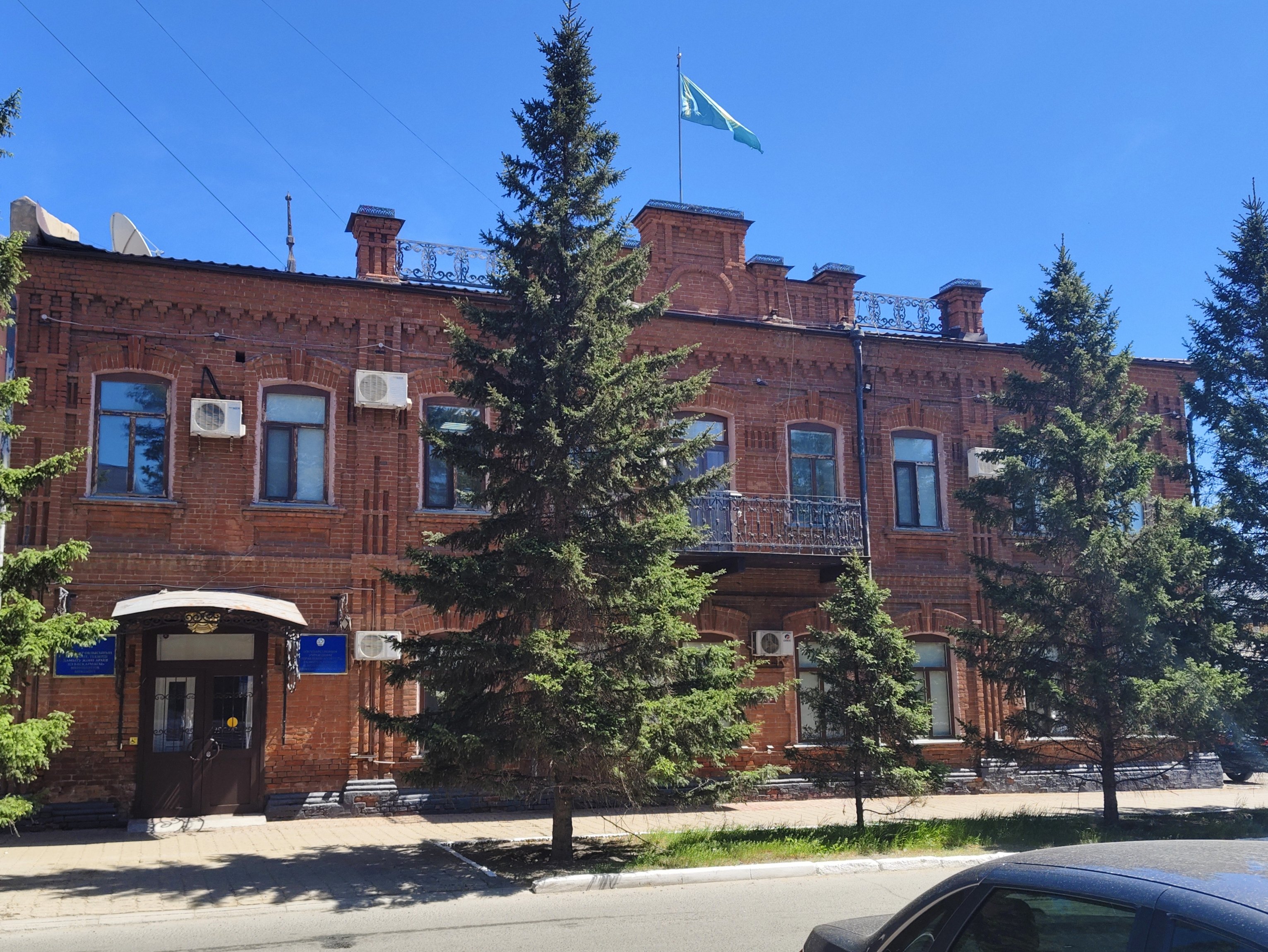
Pavlodar sits on the Irtysh River in north-eastern Kazakhstan, closer in mood to Siberia than to the mountains and bazaars of the south. It is an industrial and university city, not an obvious postcard stop, but it has a broad riverfront, a handsome central mosque, good regional museums, and a strong sense of the northern steppe.
The city began as an 18th-century Russian outpost and grew into a regional centre for agriculture, industry, and transport. Russian is widely heard, winters are long and hard, and the urban fabric is a mix of Soviet avenues, modern civic buildings, and older merchant-era fragments. For travellers crossing Kazakhstan slowly, Pavlodar gives a useful contrast to Astana, Karagandy, and Semipalatinsk.
The best way to understand the city is to walk the Irtysh Embankment, visit the Mashkhur Jusup Mosque, and make time for the Pavlodar Regional Museum. The nearby Goose Flight fossil site is the oddity: a reminder that the quiet riverbank once held prehistoric fauna long before the city, the steppe roads, or the factories.