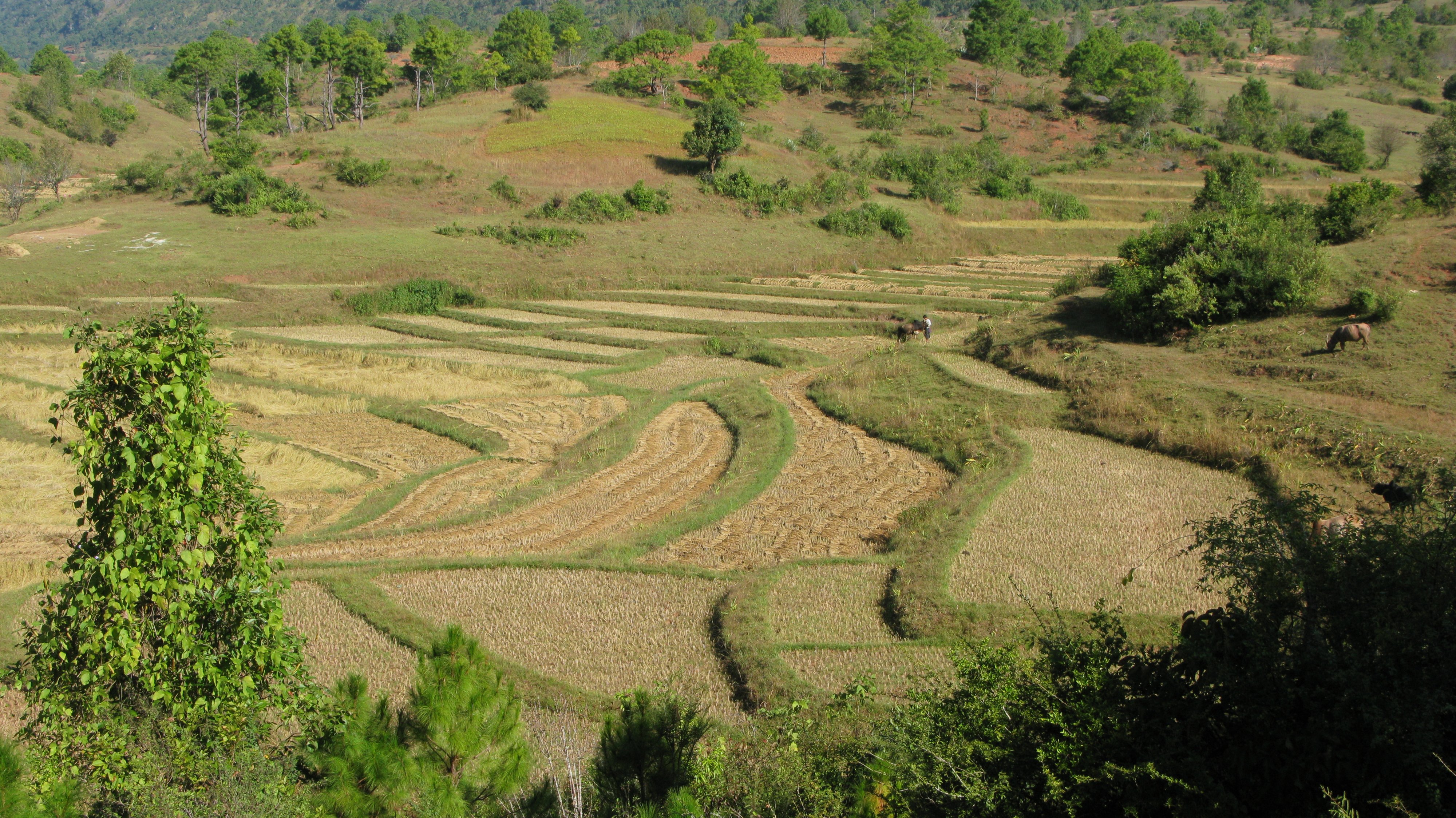
Shan Plateau hill station with pine forests, colonial bungalows, trekking routes, and a mixed highland culture
"If we could take Kalaw with us, we would!" the British are reported to have said when leaving Myanmar. This old hill station sits on the rim of the Shan Plateau at around 1,300 metres, keeping it pleasantly cool even in the hottest months. The mock-Tudor colonial bungalows, the pine forests, and the crisp highland air give Kalaw a character quite unlike anything else in Myanmar.
The town's ethnic mix is one of its great pleasures. Shan, Pa-O, Danu, Taung Yo, and Indian communities have all left their mark on the culture and cuisine. The Kalaw Market is a good place to see this variety — vendors in traditional dress sell fresh highland vegetables, spices, and handicrafts alongside one another.
Kalaw is best known today as the starting point for the trek to Inle Lake. Multi-day walks through the hills pass through Pa-O and Danu villages, offering a rare chance to spend time in communities that see relatively few visitors. Most guesthouses can arrange guides, and the trekking industry here remains refreshingly low-key compared to more famous routes elsewhere in Asia. The colonial architecture throughout town — mock-Tudor bungalows, churches, and a fine railway station — is another reason to linger a day or two before setting out.
Guide
Getting There
Kalaw is served by the old colonial-era railway line between Thazi and Shwenyaung (near Inle Lake). The train journey is slow — the overnight train from Yangon takes around 12 to 15 hours — but the scenery through the Shan hills is spectacular. The famous Gokteik Viaduct, a steel trestle bridge built by American engineers in 1900, is on this line further north toward Mandalay.
Buses from Mandalay, Yangon, and Bagan arrive at the bus station on the main highway at the southern edge of town. The journey from Mandalay takes about five hours. Shared taxis also run between Kalaw and Inle Lake, taking about two hours and offering the most flexibility.
Guide
When to Go
Kalaw's elevation of around 1,300 metres keeps it cooler than the lowlands year-round. The dry season from November to February is the most comfortable time to visit, with warm days and cool — sometimes cold — nights. This is also the best season for trekking, as the trails are dry and the skies generally clear.
The monsoon from May to October brings heavy rain and can make the trekking trails muddy and difficult, though the landscape is startlingly green. The shoulder months of March and April are hot and dry. December and January nights can drop close to freezing, so bring a warm layer if you are visiting then.