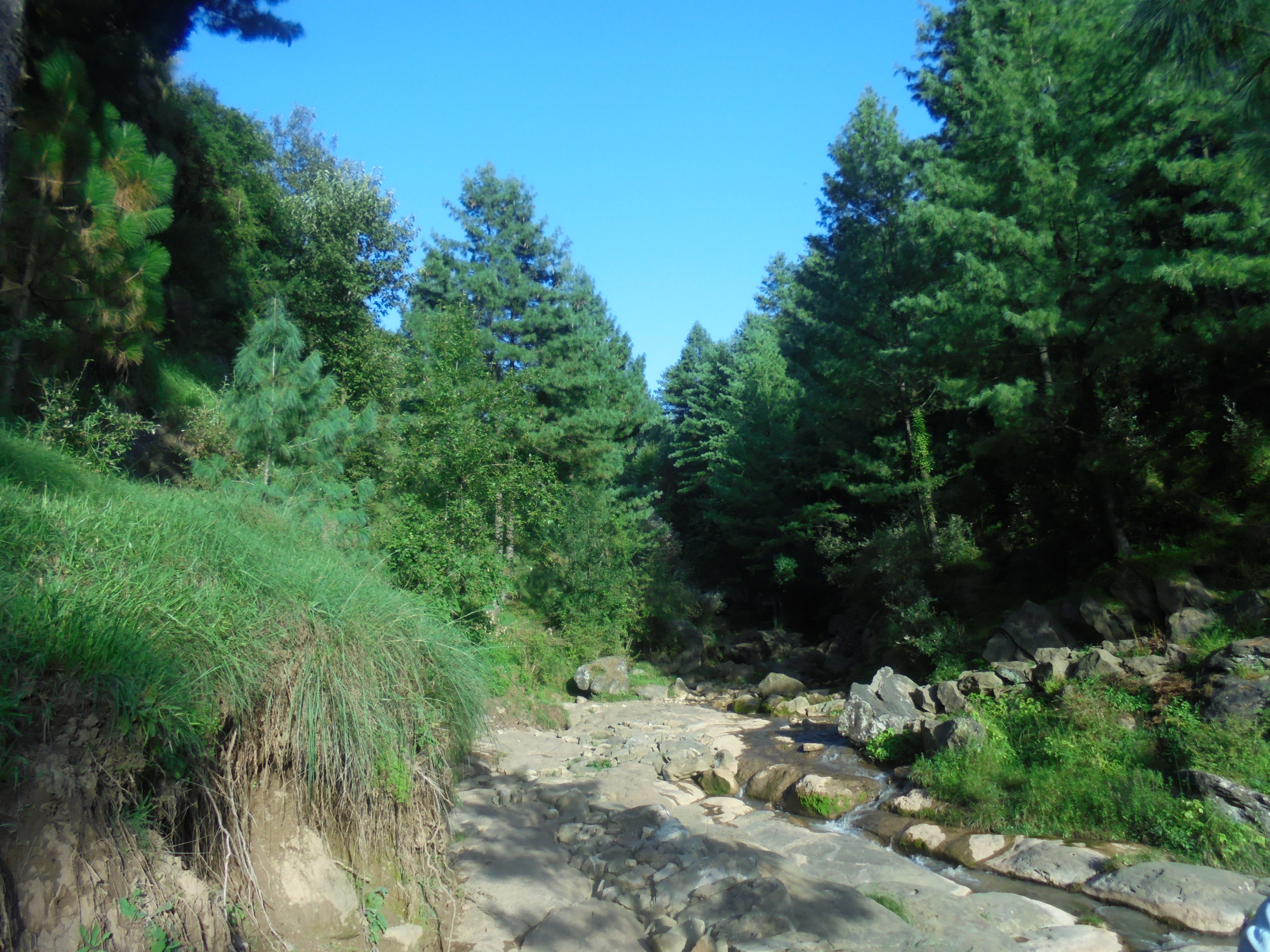
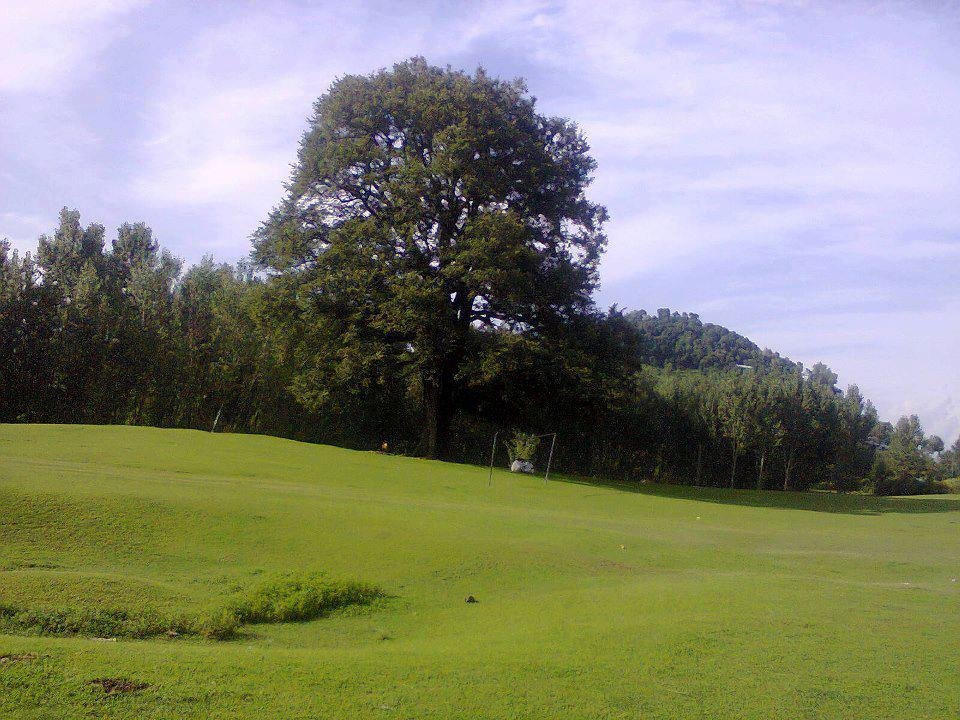
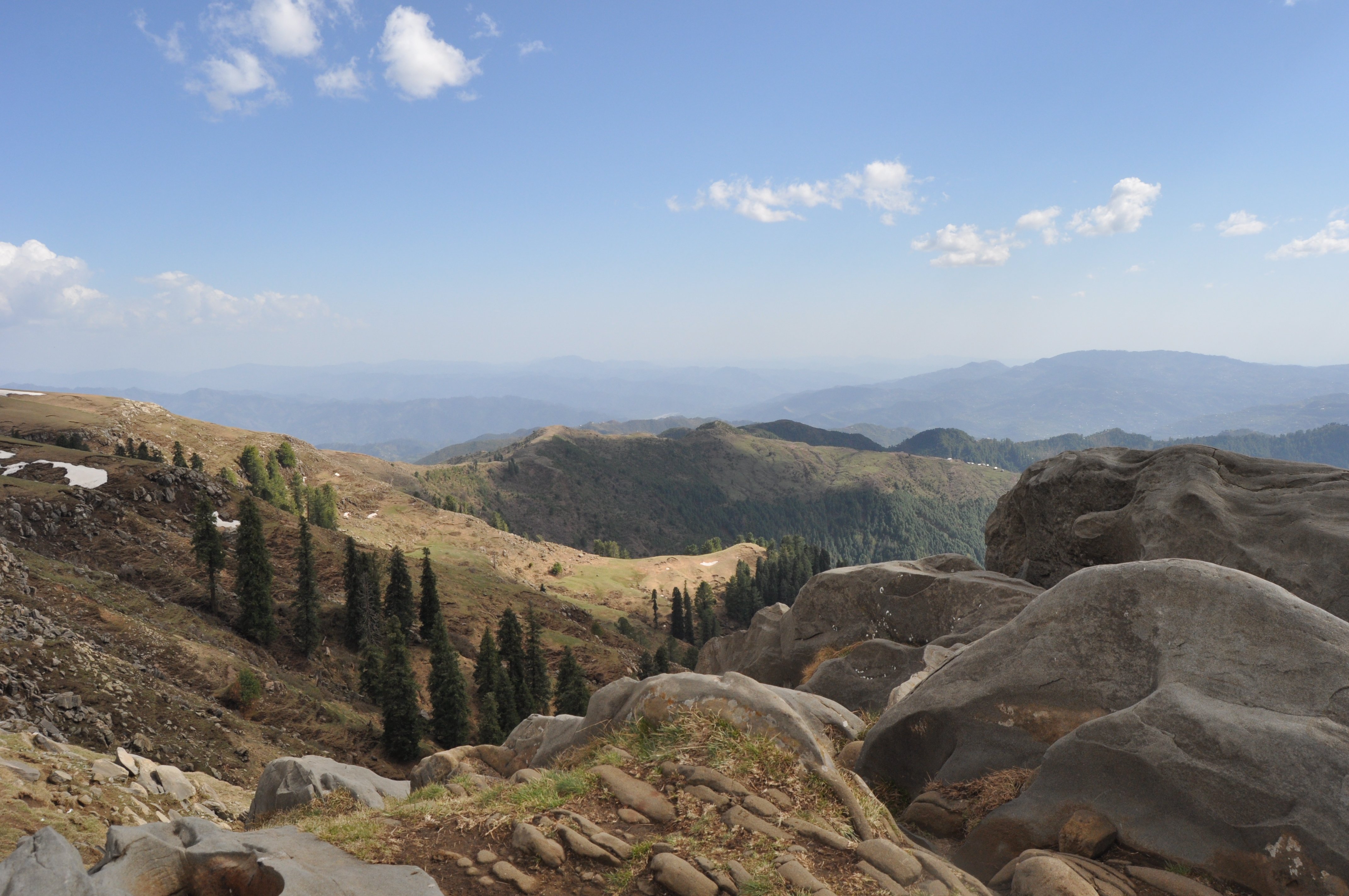
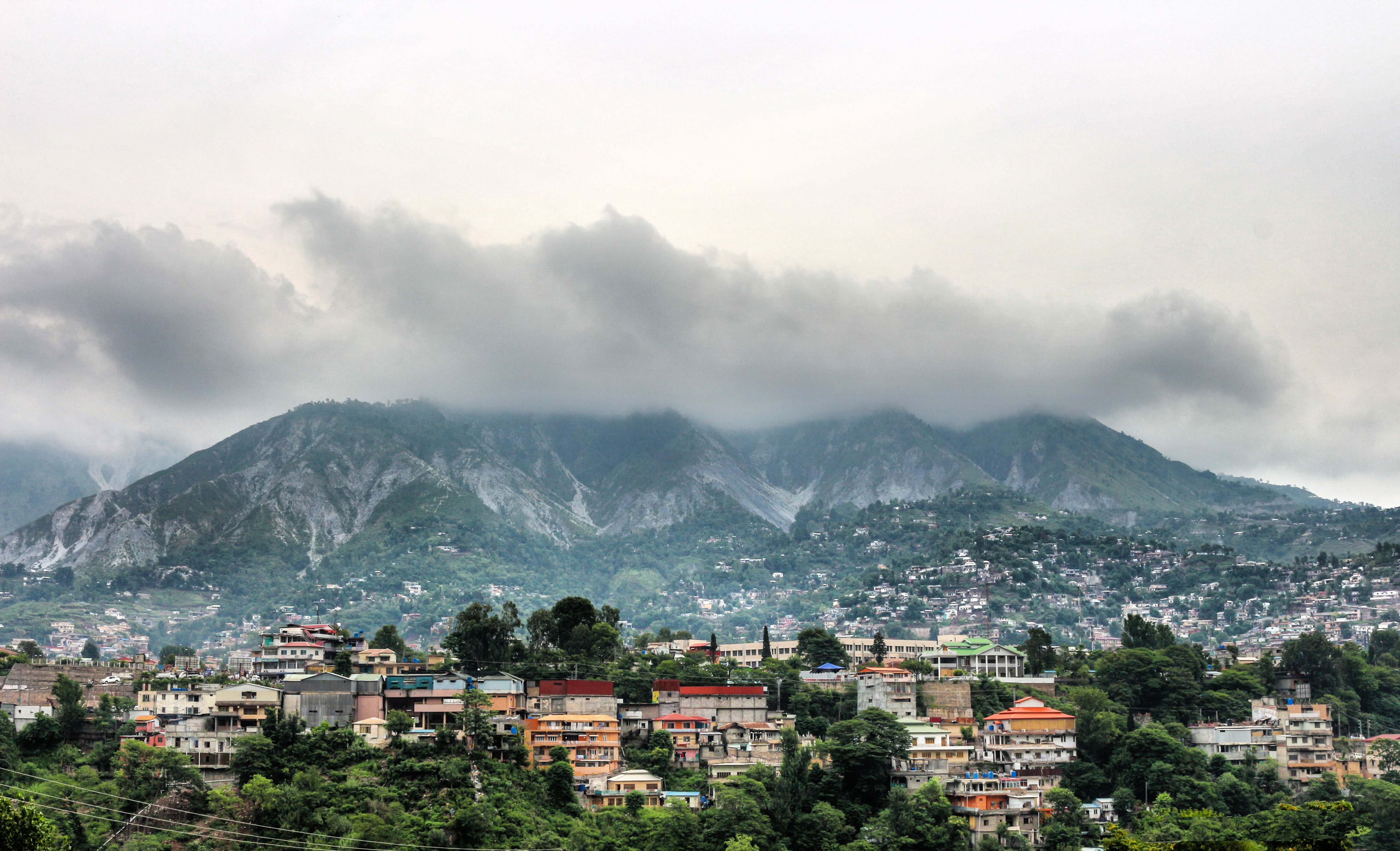
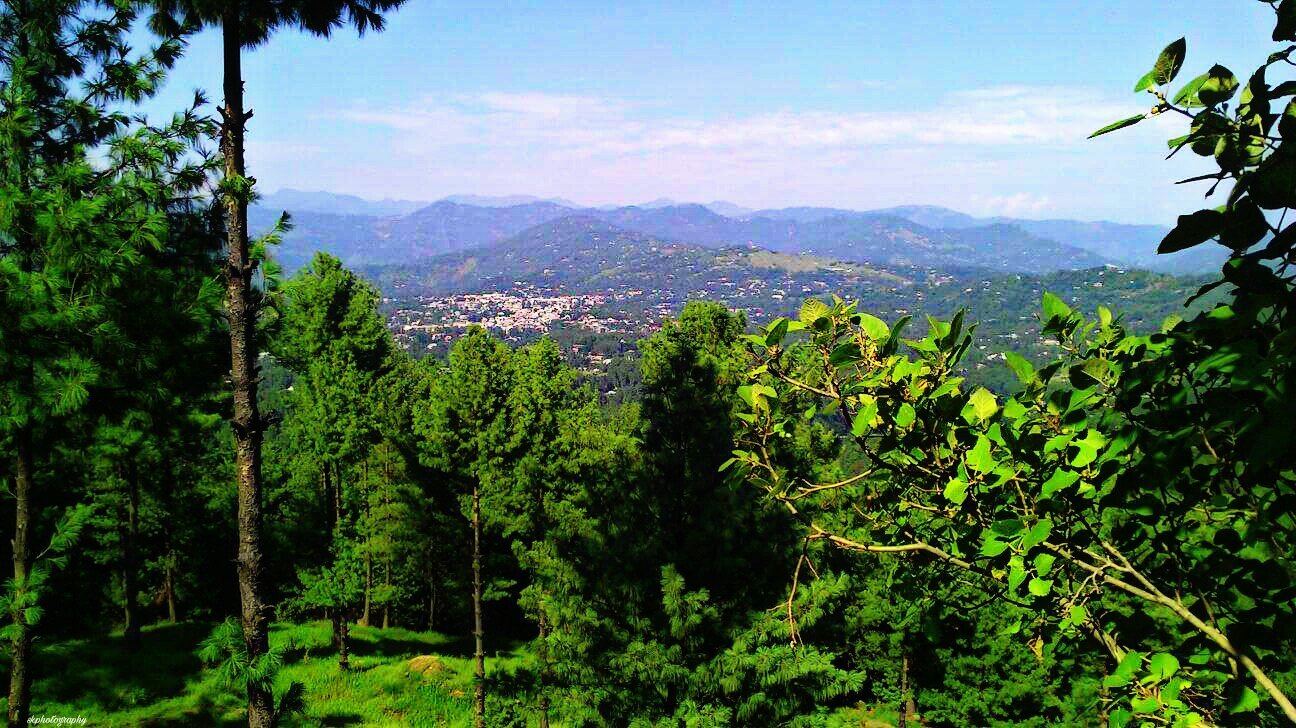
Azad Kashmir is the Pakistan-administered part of the disputed Kashmir region, a narrow strip of mountainous territory wedged between the Line of Control and the Punjab plains. It is one of the most scenically dramatic areas in South Asia -- terraced hillsides, fast-flowing rivers, dense pine forests, and valleys that disappear into cloud. If you want mountain landscapes without the infrastructure hassles of the Northern Areas, this is worth considering.
The capital, Muzaffarabad, sits at the confluence of the Jhelum and Neelum rivers and serves as the main gateway. Most travelers pass through here en route to the Neelum Valley, a deep gorge that stretches northeast toward the Line of Control and offers some of the region's best scenery. Rawalakot is the heart of Poonch district, a saucer-shaped valley at 1,600 meters surrounded by hills -- the nearby lake at Banjosa and the hilltop viewpoint at Toli Pir are the main draws.
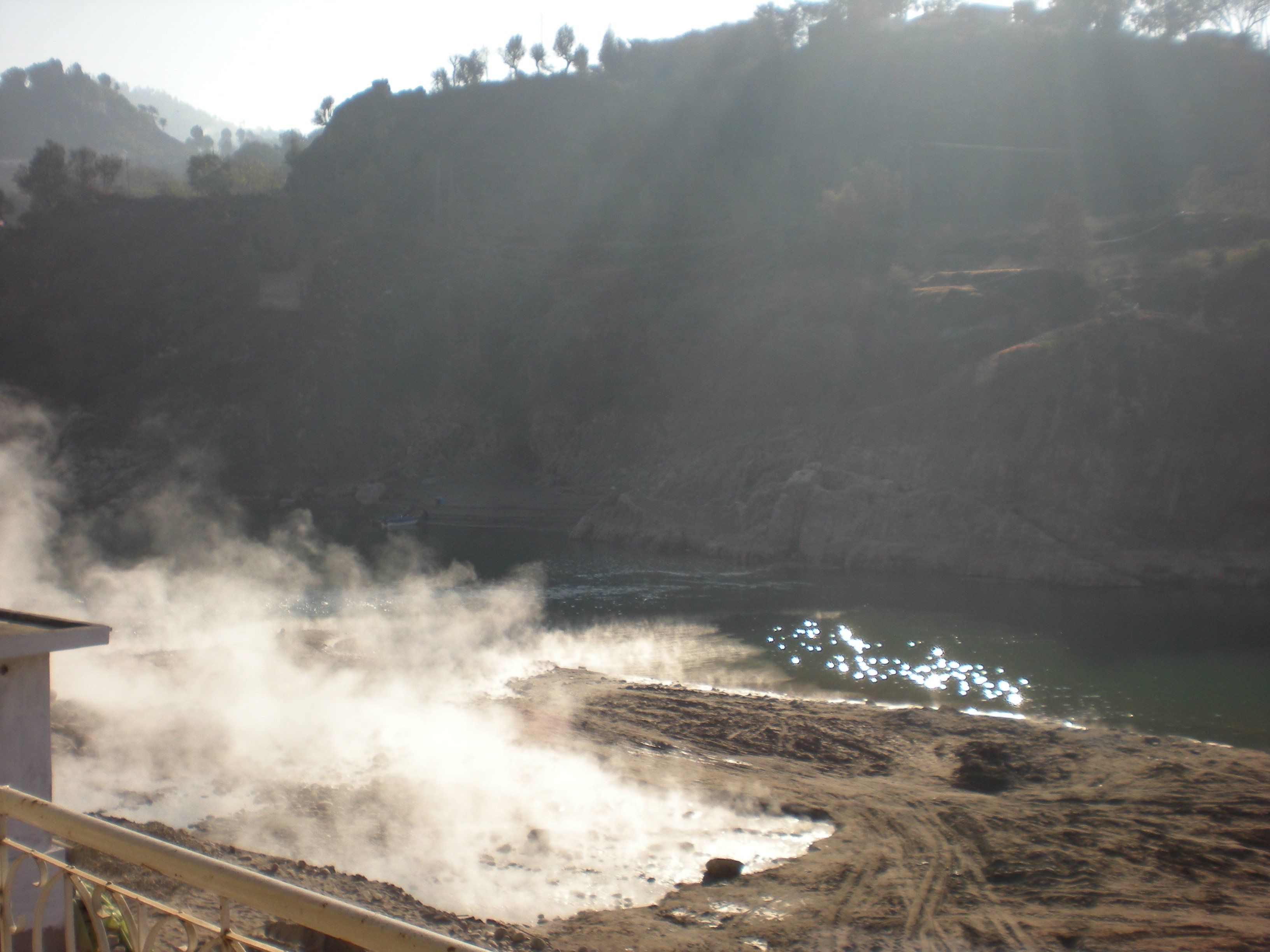
In the south, Mirpur is a different world entirely. Built with remittance money from the UK diaspora, it has a surprisingly urban feel with modern buildings and shopping centers. The Mangla Dam reservoir and the historic Ramkot Fort are the sights here. Kotli is known for the hot sulphur springs at Tatta Pani, and Bagh offers access to the high meadows of Sudhan Gali.
Azad Kashmir was severely affected by the 2005 earthquake, which killed over 70,000 people across the region. Muzaffarabad and Bagh were among the hardest-hit areas. Reconstruction has been substantial, but the earthquake's impact is still visible in places.
The best time to visit is April through October. Summers are pleasant in the hills (20-30 C), while winters bring snow above 1,200 meters. The monsoon hits in July and August, making roads treacherous -- plan accordingly. Almost the entire population is Muslim, and the region has a conservative culture. People are genuinely hospitable, and you will likely be invited for chai more times than you can accept.