Kohat
©
Kohat

Kohat

Khyber Pakhtunkhwa city at the Kohat Pass, with the feel of a frontier market town.

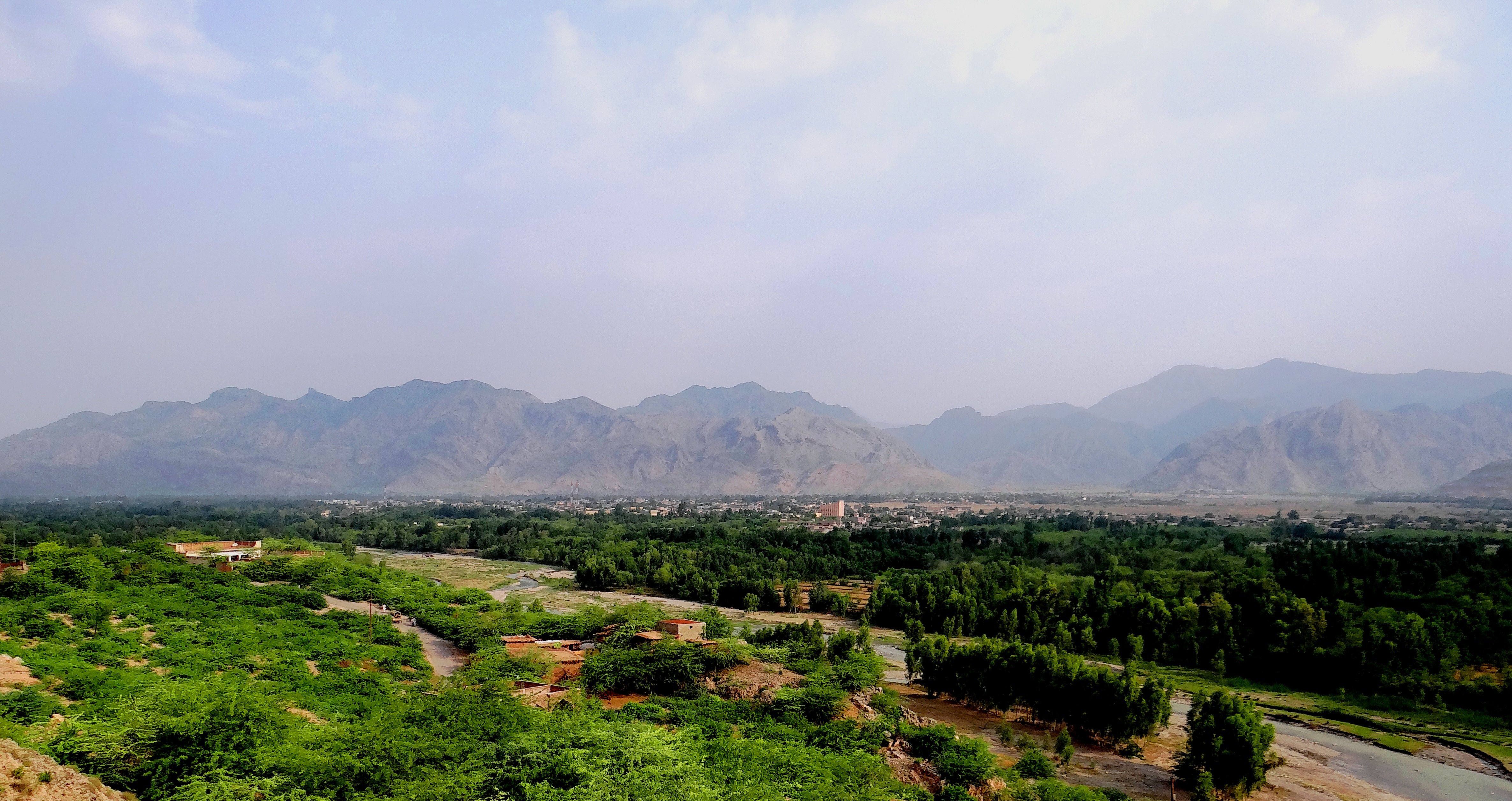
Kohat is a small city in the Khyber Pakhtunkhwa province of Pakistan, about 60 km south of Peshawar at the foot of the Kohat Pass. It was an important British garrison town during the Raj and still has the feel of a frontier outpost — a working administrative and market centre for the surrounding Pashtun districts, with dusty streets, a brisk bazaar, and little in the way of tourism. Kohat sits at the mouth of the historic Kohat Pass over the Kohat Range, the old trade and military route between the Peshawar valley and the tribal districts of Waziristan; for travellers, this historical position is most of what makes the town interesting.

The Kohat Fort, built by the British in the 1850s and still occupied by the Pakistani Army, dominates the town (though it is not open to visitors). The Tanda Dam, about 12 km from town, is a popular weekend escape for locals and a good spot for a picnic. Shakardara and the nearby villages of the Kohat district preserve some of the old fortified stone houses and watchtowers of the Pashtun hill country. Kohat is best known across Pakistan, however, as the site of the Darra Adam Khel gunmaking village just outside town — for generations the most famous arms bazaar in the country, where local craftsmen have produced copies of nearly every firearm in existence (a trade tightened considerably by the government since the 2000s).

This is not an easy place to travel to. Khyber Pakhtunkhwa requires careful attention to security conditions, and foreigners need permission to travel beyond the main cities; check current travel advisories before planning any trip.

Guide

Getting There

Kohat is about 60 km south of Peshawar and most people arrive from there.

From Peshawar — Shared wagons (Toyota minivans, locally called hiace) leave from Peshawar's Hayatabad district throughout the day. The journey takes around 1.5 hours on the main road, which passes through the Kohat Tunnel — a 1.9 km road tunnel opened in 2003 that cut travel time and replaced the older route over the pass. Shared transport is cheap and frequent.

From Islamabad — There are bus services from Islamabad's Pir Wadhai bus terminal, either direct or via Peshawar. The journey takes around 3–4 hours depending on traffic and the route taken.

By train — The Kohat branch line exists, and Kohat Cantonment railway station remains on the map, but passenger services on this line have been suspended for years. Do not rely on the train.

Permits and security — Khyber Pakhtunkhwa has historically required foreigners to obtain permission before travelling beyond the main cities, and parts of the district around Kohat remain sensitive. Check the current permit requirements at the Khyber Pakhtunkhwa Home Department or through your country's embassy, and review up-to-date travel advisories before planning your trip.

Guide

Things to Do

Kohat is a frontier town, not a tourist destination. The interest is historical and cultural — the colonial-era fort that watches over the streets, the working bazaar at the heart of the Pashtun market economy, and the rugged landscape of the Kohat Pass that explains why this town existed in the first place. There is no museum, no heritage trail, no organised tour infrastructure. What there is, for the traveller who arrives with curiosity and the necessary permissions, is a genuinely unreconstructed corner of the Northwest Frontier.