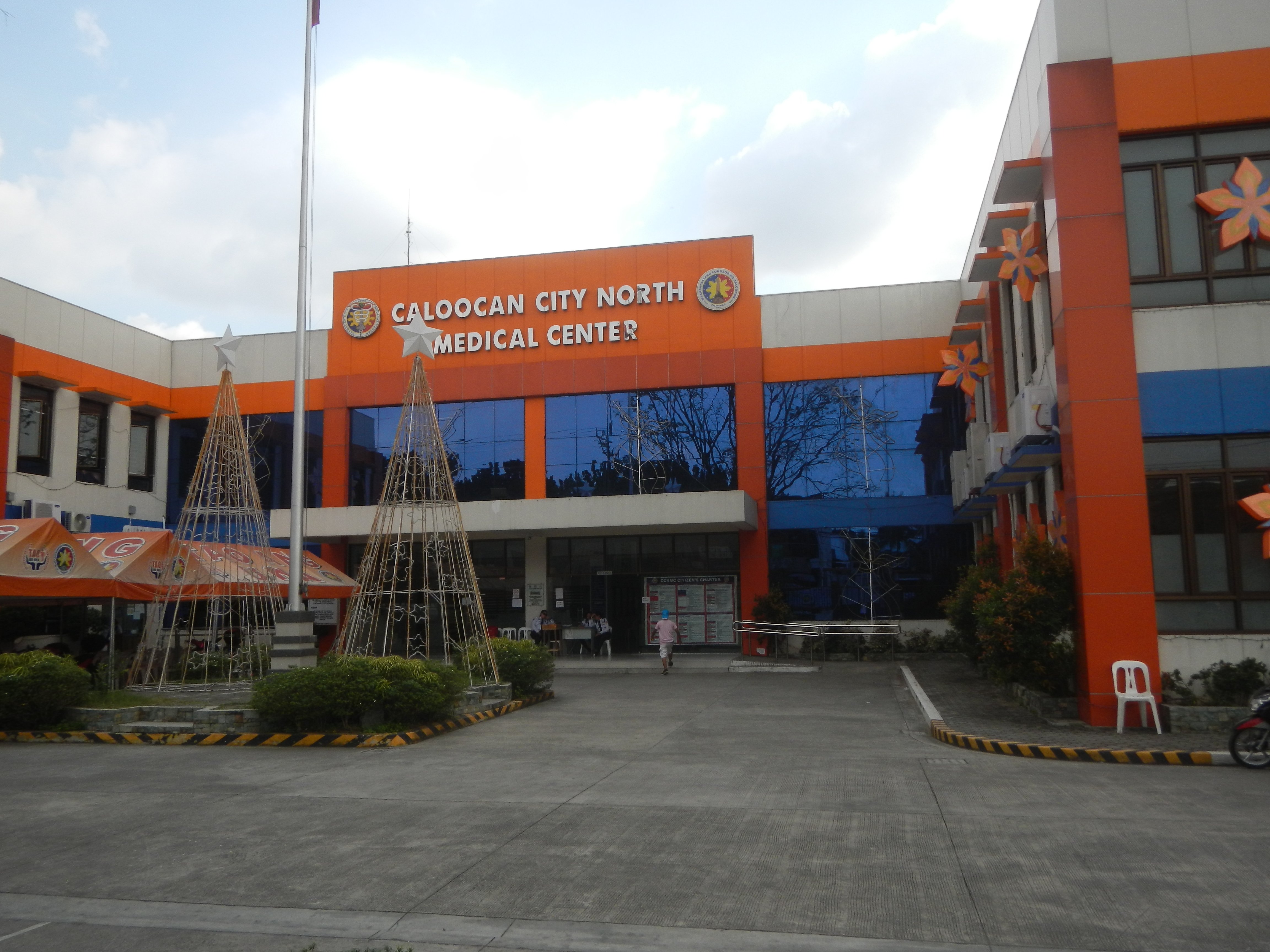
Metro Manila city tied to the Cry of Pugad Lawin and the Philippine Revolution's opening act.
Caloocan is one of the oldest cities in Metro Manila, and the one that started a revolution. On 26 August 1896, Andres Bonifacio tore up his cedula — his Spanish colonial registration paper — in what became known as the Cry of Pugad Lawin, the opening act of the Philippine Revolution against Spain. That moment happened here, and Caloocan wears it with pride.
Divided into two non-contiguous parts by the cities of Malabon and Navotas, Caloocan is a densely populated working-class city that few foreign tourists visit. The northern section, sometimes called North Caloocan, is the larger and more residential half; the southern section near the old city centre is where the historical landmarks cluster. The LRT Line 1 runs through the southern part, making it easy to reach from central Manila.
For most travelers, Caloocan is a day trip from Manila rather than a base. The Bonifacio Monument at Rizal Avenue Extension is the city's defining landmark — a dramatic bronze statue group honoring the Katipunan's founding father. The Manila North Cemetery, one of Southeast Asia's largest, sits partly within Caloocan and is a genuinely extraordinary place: a city within a city where families live alongside the dead in elaborate mausoleums.
The city is poor and congested, with traffic as chaotic as anywhere in Metro Manila. But it is not without energy or character, and its historical significance to Philippine nationhood gives it a weight that the tidier tourist districts lack.
Guide
Eating Out
Caloocan is not a destination for fine dining, but it is a good place to eat the everyday food of working-class Metro Manila. Carinderias — small open-fronted eateries with steam-tray menus — serve cheap and filling Filipino classics like kare-kare (oxtail in peanut sauce), sinigang (sour tamarind soup), and rice meals with fried fish or chicken. The streets around Monumento and Caloocan Cathedral are full of them.
For grilled meats, look for an ihawan stall in the evenings, where skewered pork barbecue and chicken intestines are cooked over charcoal and served with rice and vinegar. The Monumento Wet Market also has a row of food stalls serving regional Filipino specialities at unbeatable prices.
Guide
Getting There
LRT. Line 1 of the Metro Manila Light Rail Transit terminates at Monumento Station, in southern Caloocan, where the Bonifacio Monument stands. From here you are 30 minutes from Rizal Park and the centre of historic Manila. A second branch of Line 1 — the Yamashita Extension — has stations further into the city.
Jeepneys. The cheapest way to reach Caloocan is by jeepney from EDSA or from Manila. Several routes terminate at Monumento or run along Rizal Avenue Extension. Expect chaotic traffic and short trips for very little money.
Taxi or Grab. A taxi or Grab ride from Manila City Hall to the Bonifacio Monument takes 20–40 minutes, depending on the time of day. The roads can be heavily congested during rush hour.