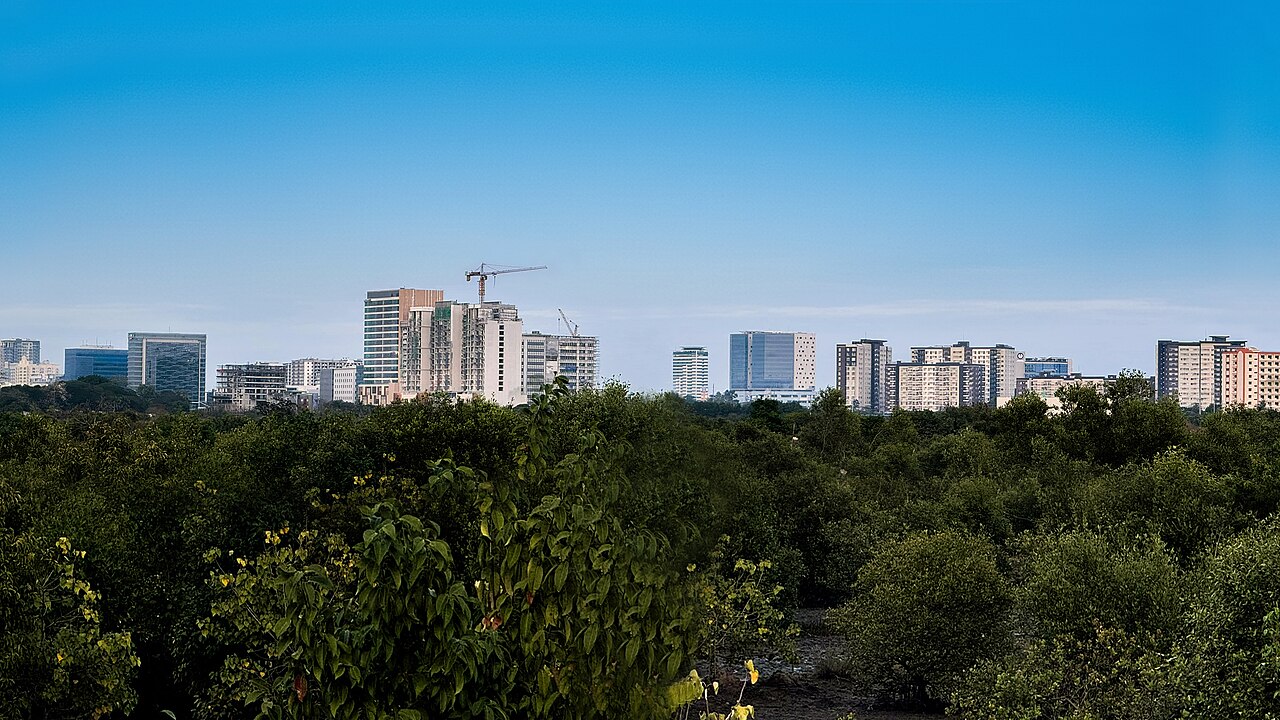
Iloilo City is the regional capital of Western Visayas and one of the most historically rich cities in the Philippines — a place where Spanish colonial architecture, strong regional identity, and genuine culinary pride distinguish it from the generic urban centres elsewhere in the archipelago.
The old district of Molo, once a predominantly female-governed community (women were in charge of commerce and the church), has a fine 16th-century Molo Church and rows of ancestral houses that convey the city's prosperous past. The Iloilo Museum of Contemporary Art (ILOMOCA) in the Iloilo Business Park is a serious contemporary art space — one of the best in the Visayas. The esplanade along the Iloilo River has been transformed in recent years into one of the most pleasant urban waterfronts in the Philippines.
The city is known for its food. La Paz batchoy — a rich pork-and-noodle soup originating in the La Paz market — is the signature dish, and the original stalls at La Paz Public Market are the place to eat it. Pancit molo (a dumpling soup) and fresh seafood from the strait are also staples. The craft of hablon weaving, producing distinctive textiles, is still practised in nearby villages.
The heritage Calle Real district and the Jaro Cathedral with its unusual free-standing bell tower anchor the colonial sightseeing. For a Philippine provincial city, Iloilo is unusually well-served by arts and cultural institutions, and the restored riverfront gives the city a character rare in the Visayas.