Marikina
©
Marikina

Marikina

Metro Manila city known for shoemaking, riverfront parks, and the Shoe Museum's outsized collection.

Marikina is the Shoe Capital of the Philippines, a city on the eastern edge of Metro Manila that has been making shoes since the Spanish colonial era. The industry gave rise to one of the more unusual museums in Manila: the Shoe Museum, which houses the famous collection of former First Lady Imelda Marcos alongside shoes from world leaders, celebrities and shoemakers from different countries — the largest collection of its kind in the world.

The city itself is one of the most orderly and well-maintained in Metro Manila, with tree-lined streets, bike lanes along the Marikina River Park, and spacious parks. It served briefly as the capital of the Philippine province of Manila during the independence movement. For visitors, it is worth the trip from central Manila for the Shoe Museum and the riverfront promenade, though it is not a typical tourist destination.

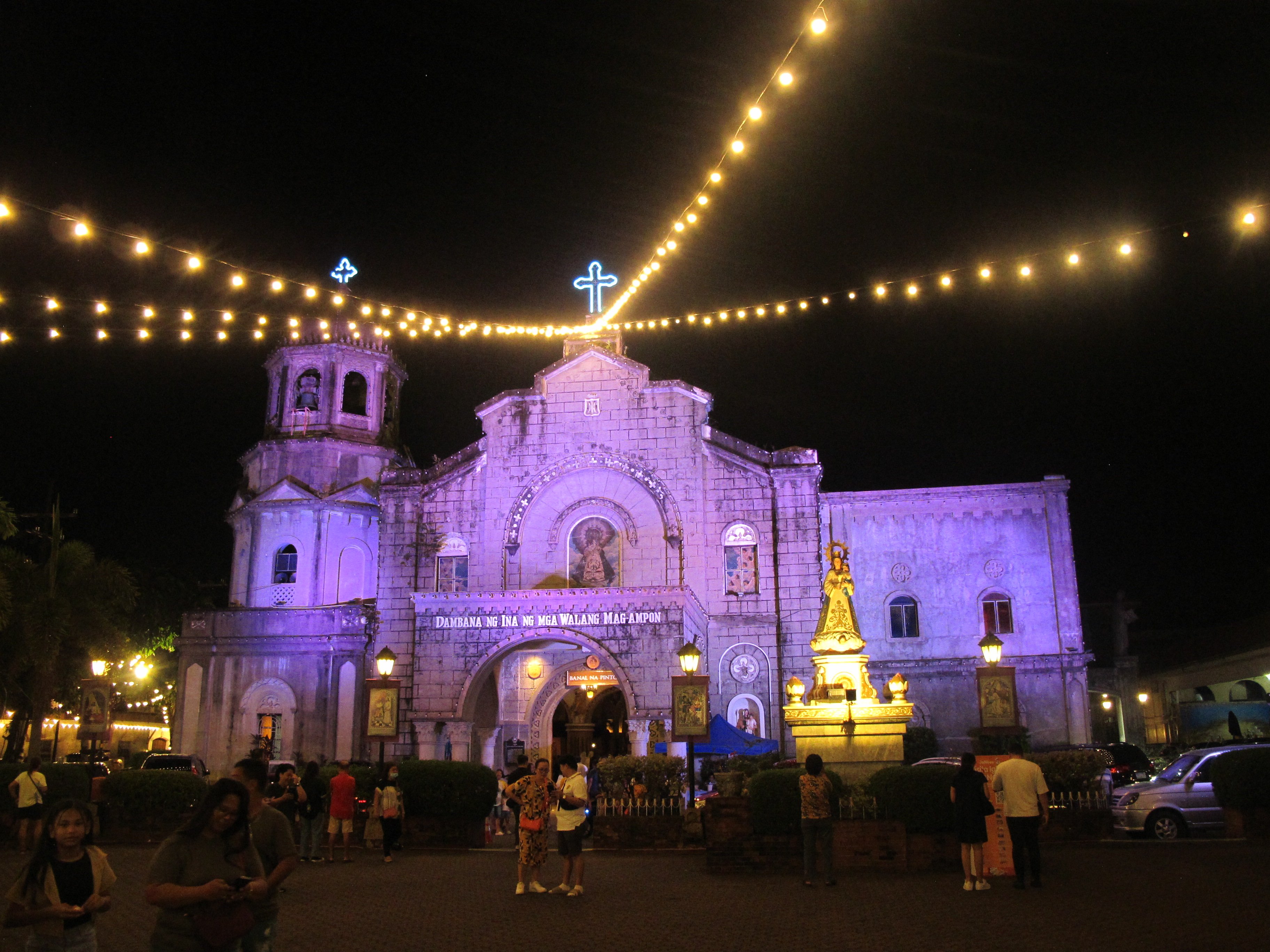
The historic core clusters around the Marikina Church and the Kapitan Moy Residence — the ancestral home of Don Laureano Guevarra, who is credited with turning local cobbling into a commercial industry in the nineteenth century. The older shoemaking workshops around this district are still operating, and it is possible to watch craftspeople at work in some of them. Marikina makes for a good half-day trip from Manila, or a full day if you combine the museum, the riverfront, and a leisurely lunch at Riverbanks Center.

Guide

Eating Out

Marikina does not have a distinct dining scene the way older Manila neighbourhoods do, but it has a solid range of everyday Filipino eating, from neighbourhood carinderias to the food courts and restaurants around Riverbanks Center. For most day-trippers, eating at Riverbanks before or after the Shoe Museum is the convenient option.

Guide

Getting Around

Marikina is more walkable than most Metro Manila cities. The historic core — Shoe Museum, Marikina Church, Kapitan Moy Residence — is compact enough to cover on foot in an hour or two, and the riverside park has proper pedestrian and cycling paths. The city is notably tidier and better-maintained than neighbouring Manila districts, which makes walking more pleasant.

Tricycles (motorcycle-powered three-wheelers) are the main short-distance transport within the city, running set routes for a few pesos. They are useful for getting between the city centre and the Jesús de la Peña Chapel or other points further out. Jeepneys cover the main corridors.

Bicycles can be hired near the river park on weekends. Marikina has invested in bike lanes along several of its main roads, making cycling a genuinely practical option for getting between the riverfront, the Shoe Museum, and the market area.

Guide

Getting There

Marikina is on the eastern edge of Metro Manila, roughly 15 to 20 kilometres from the city centre. It is not served by the MRT-3 (the main rapid transit line), but LRT Line 2 reaches the edge of Marikina territory. The Santolan station and Marikina–Pasig station (the eastern terminus) are the closest LRT stops; from either, a short jeepney or tricycle ride brings you into the city centre near the Shoe Museum.

From Cubao or Araneta Center, jeepneys and UV Express vans run directly to Marikina along several routes. The journey takes 30 to 45 minutes depending on traffic. Taxis and ride-hailing apps (Grab) are the most comfortable option if you are travelling with luggage or in a group, and the fare from central Manila should be under 200 pesos most of the time.

Driving is possible but not recommended during peak hours. The roads around Shoe Avenue and the city centre can clog badly in the late afternoon, which is worth bearing in mind if you are planning to return to Manila in the early evening.

Guide

When to Go

Marikina has the same climate as the rest of Metro Manila: hot and humid year-round, with a wet season from June to November and a drier, slightly cooler period from December to May. The best time to visit is during the dry season (November to April), when rain is less likely to disrupt a day trip and temperatures, while still warm, are more comfortable for walking.

Avoid visiting during or immediately after a major typhoon. The Marikina River has flooded badly during severe storms — Typhoon Ondoy in 2009 inundated much of the city to several metres depth — and the riverside areas and lower districts are vulnerable during heavy weather. The Marikina Valley fault system, which runs along the western edge of the city, is a seismic hazard, though this is a background concern rather than a seasonal one.

There are no events in Marikina compelling enough to specifically time a visit around, though the city holds shoe-industry festivals periodically. For most visitors, Marikina is a day trip from Manila and the timing of the visit is determined by the broader Manila itinerary rather than anything local.