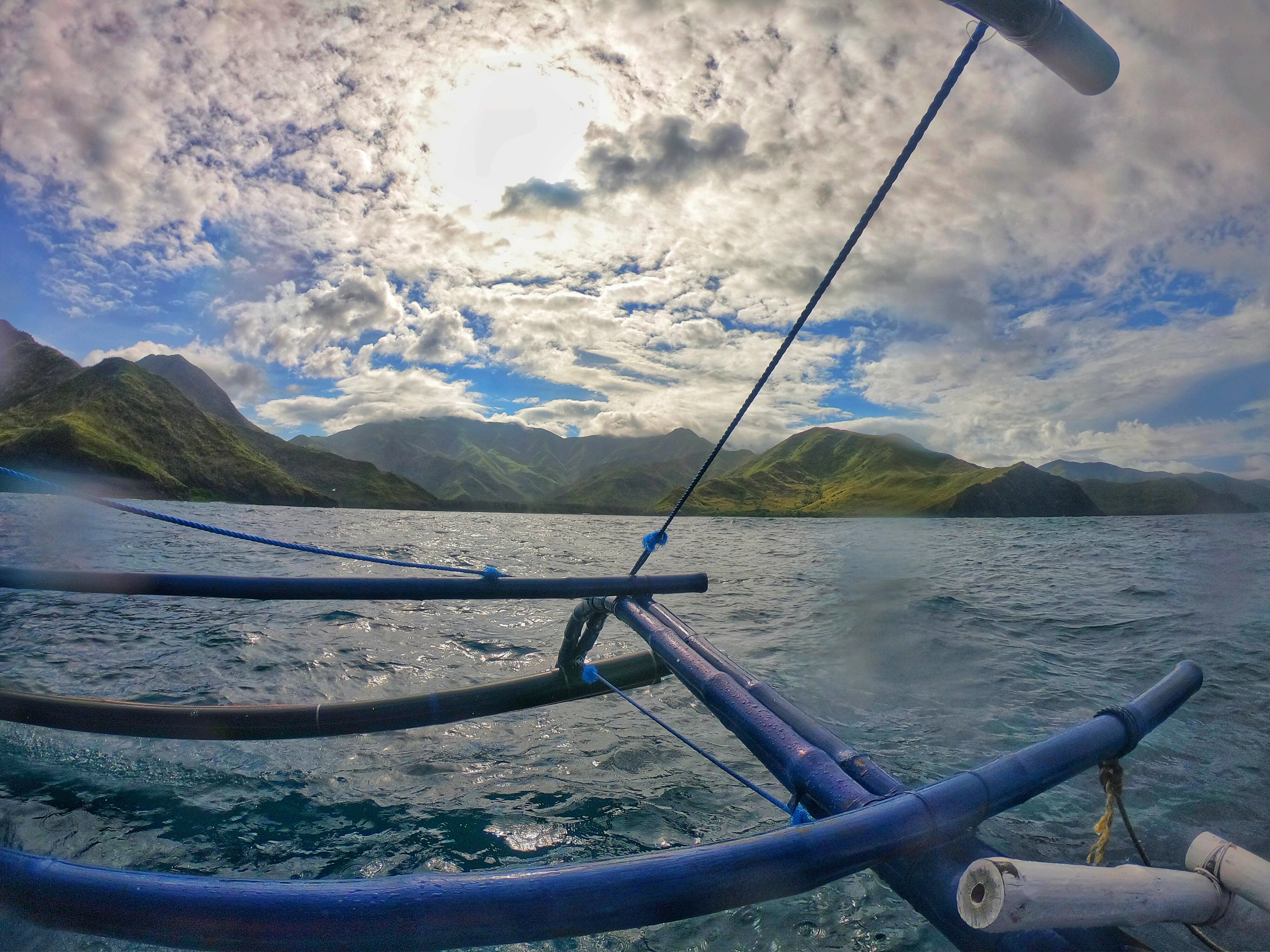
Zambales is the wild western coast of Central Luzon -- a long, narrow province squeezed between the South China Sea and the volcanic Zambales Mountains. While much of the Philippines has been thoroughly discovered by tourism, Zambales still feels like a place you have to yourself.
The coastline runs for over 200 kilometers, and for most of it the beaches are empty. The sand ranges from fine and white around Potipot Island to dramatic grey-black volcanic stretches near Botolan, a legacy of Mount Pinatubo's 1991 eruption. Offshore, the coves of Anawangin and Nagsasa are only reachable by boat from Pundaquit -- no roads, no resorts, just tents on the beach and steep green hills rising behind you.
The provincial capital, Iba, sits roughly in the middle of the coast. It is a quiet, unassuming town with good mangoes (Zambales Dinamulag mangoes are famous across the Philippines) and access to some of the province's best beaches. To the south, Olongapo and the Subic Bay Freeport Zone are busier and more developed -- the former US naval base has been reinvented as a mix of duty-free shops, water parks, and adventure outfits.
Most visitors come for the beaches and the hiking. The trek to Mount Pinatubo's crater lake starts from the Zambales side, and the mountains offer several other worthwhile climbs. From October through February, sea turtles nest on the beaches around Botolan, and you can sometimes help release hatchlings at the Botolan Sea Turtle Sanctuary.
Zambales is not a place for nightlife or luxury resorts. It is a place for camping on empty beaches, eating fresh seafood straight from the boats, and watching the sun drop into the South China Sea.