Gyeongju was the capital of the Silla Kingdom for nearly a thousand years — from 57 BC to AD 935 — and is often called the 'museum without walls'. The modern city of 250,000 people sits on a landscape so saturated with ancient tombs, temples, shrines, palaces, and Buddhist art that UNESCO has designated the entire historic area a World Heritage Site. It is the closest thing Korea has to a Kyoto or Rome: a living city where daily life takes place among 1,500 years of mostly intact civilization.
The Silla kingdom unified the Korean peninsula in AD 668, bringing the Three Kingdoms period to an end, and presided over a golden age of Buddhist art and culture that produced some of the finest stone carving and metalwork in East Asia. Gold crowns, jade ornaments, and exquisite celadon ceramics recovered from the royal tombs are now in the Gyeongju National Museum — and the tombs themselves, great green grass mounds rising from the city centre, are still there.
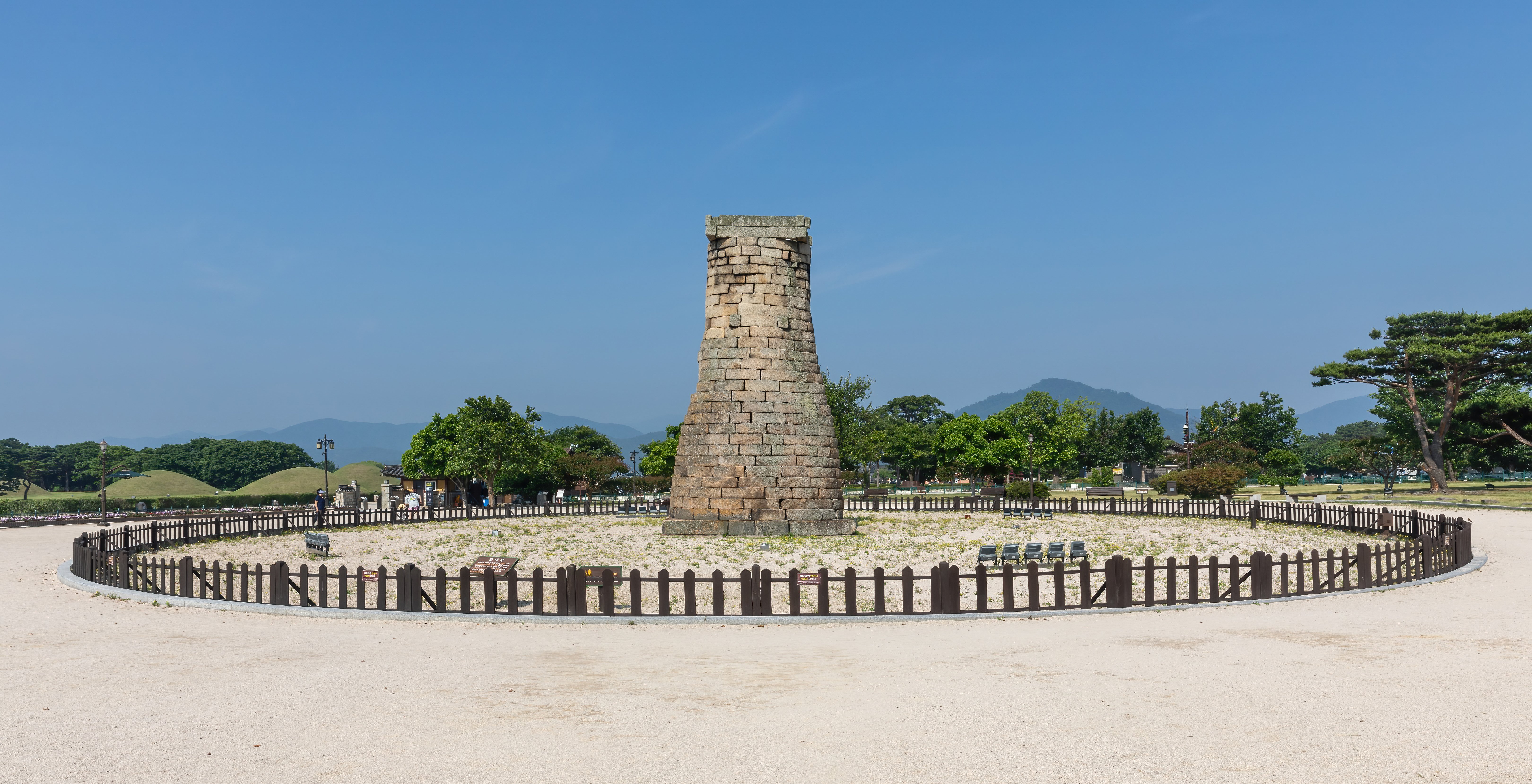
The heart of the historic city is Daereungwon tomb complex, where dozens of burial mounds cluster together in a park south of downtown. The Cheomseongdae observatory, built in the 7th century, is the oldest surviving astronomical observatory in Asia. Donggung Palace and Wolji Pond, the Silla court's pleasure garden, has been restored and is spectacular at night when it is lit up and reflects in the water. Bulguksa temple and Seokguram grotto in the mountains outside the city are among the greatest works of Buddhist architecture in the world.
Gyeongju sits at the southeastern corner of the Korean peninsula, easily reached from Busan by rail or by the KTX bullet train from Seoul (about two hours). It is a manageable city to explore, flat enough to cycle most of the central sights, with the mountain temples accessible by taxi or local bus. Despite its historical weight, it retains an authentically Korean city feel rather than the over-polished character of a purely tourist town.