Caloundra
©
Caloundra

Caloundra

Sunshine Coast seaside town of family beaches, Pumicestone Passage views, surf breaks, and historic headland lighthouses.

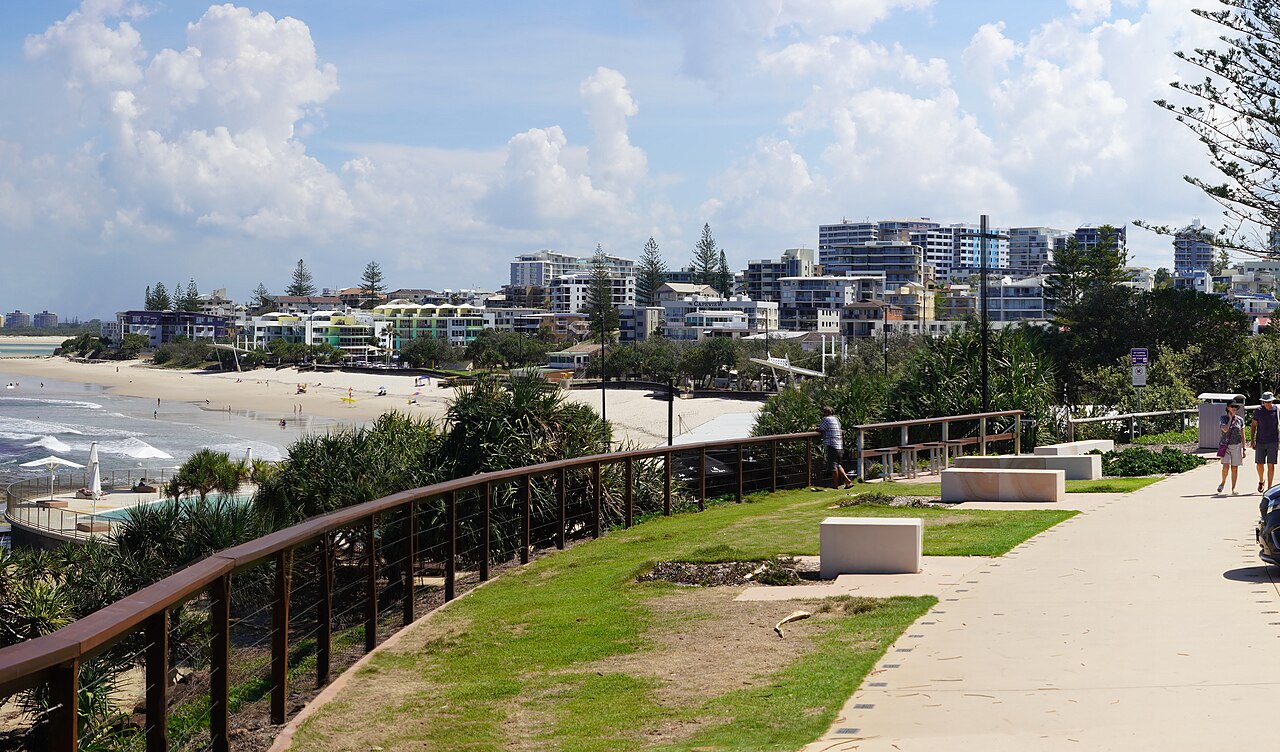
Caloundra sits at the southern end of Queensland's Sunshine Coast, where the Pumicestone Passage separates the mainland from Bribie Island. It is a relaxed seaside town with a string of beaches — from the calm swimming waters of Bulcock Beach in the town centre to the surf breaks at Kings Beach, Dicky Beach, and Moffat Beach further north.

The town is popular with families from Brisbane, about an hour's drive south, and has a quieter, less developed feel than the resort strips further up the coast at Mooloolaba and Noosa. The coastal boardwalk connecting Kings Beach to the headland — where a pair of historic lighthouses stand side by side — is one of the best short walks in southeast Queensland. Humpback whale sightings are common during the migration season from June to November, and the Pumicestone Passage is home to dugongs, dolphins, and a remarkable range of migratory wading birds.

The Queensland Air Museum at Caloundra Airport holds over 65 vintage aircraft and is a worthwhile stop for anyone interested in aviation history.

Guide

Getting There

Caloundra is about 100 km north of Brisbane — roughly an hour by car via the Bruce Highway (M1). The drive is straightforward, though the Bruce Highway can be slow during peak holiday weekends.

Translink operates bus services between Brisbane and Caloundra, with connections via Caboolture. The journey takes about two hours. Sunshine Coast Airport at Maroochydore is the nearest commercial airport, about 30 km north — it has flights from Sydney, Melbourne, and some other Australian cities. From the airport, a taxi or hire car to Caloundra takes about 30–40 minutes.

There is no train service directly to Caloundra; the nearest stations are Landsborough and Beerwah on the Sunshine Coast line, from where buses run to Caloundra.

Guide

When to Go

Caloundra is a year-round beach destination, though summer and winter have quite different characters.

Summer (December to February) is hot and humid, with occasional tropical storms — temperatures regularly exceed 30°C and the humidity makes it uncomfortable in the middle of the day. The sea is warm for swimming, and the town is busiest with Brisbane families on school holidays. Book accommodation well ahead.

Winter (June to August) is the secret season: temperatures are mild (18–22°C), skies are reliably clear, the crowds are thinner, and the whale migration is in full swing. Humpback whales pass Caloundra from June through November, with July and August being peak months for sightings in and around the Pumicestone Passage. This is the best time to visit.

Spring and autumn are pleasant shoulder seasons — warm enough for swimming, quiet enough to have the beaches mostly to yourself.