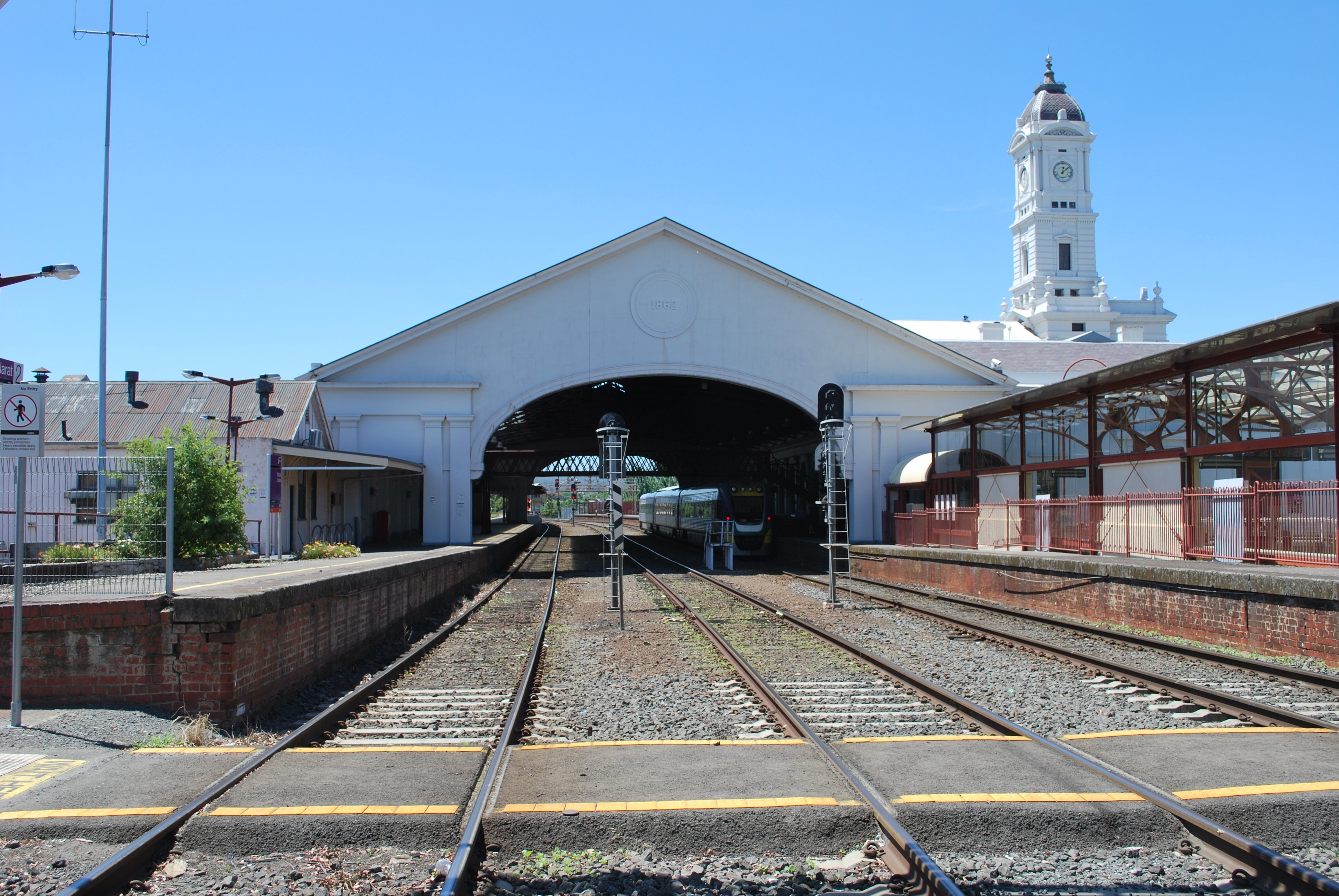
About 100 km west of Melbourne lies the charming town of Ballarat. Ballarat started to thrive after gold was found in the area around 1850. After the alluvial gold was worked out, rich quartz reefs were discovered that were mined until the end of the First World War. The wealth that flowed through the town built a major provincial centre with grand Victorian architecture, much of which can still be found along Lydiard Street.
Ballarat has a turbulent mining past. In 1854 the miners rebelled against the hated licence hunts and their lack of political representation. Every gold digger had to carry a licence, and local law enforcers would check regularly, often violently. After increased licence hunts and the unpunished murder of a miner, about 150 diggers organised themselves and launched the Eureka Rebellion — swearing the oath on Bakery Hill under a flag that survives, in fragments, at the Eureka Centre. Although the uprising was quickly put down, in the longer run it helped abolish the licence fee and extend political rights. For a more hands-on experience of the gold-digging era you can visit Sovereign Hill, a living history museum that recreates a gold-mining township of the 1860s.
When you have had enough of mining history, the Art Gallery of Ballarat is the oldest provincial gallery in the country and well worth a visit; Her Majesty's Theatre is the oldest working theatre in Australia; and the bluestone Gothic spire of St Patrick's Cathedral is visible from across the basin. Ballarat also has the excellent Botanical Gardens beside Lake Wendouree, a large artificial lake that served as the rowing course for the 1956 Olympics and has a popular walking track around it.