Avatoru
©
Avatoru

Avatoru

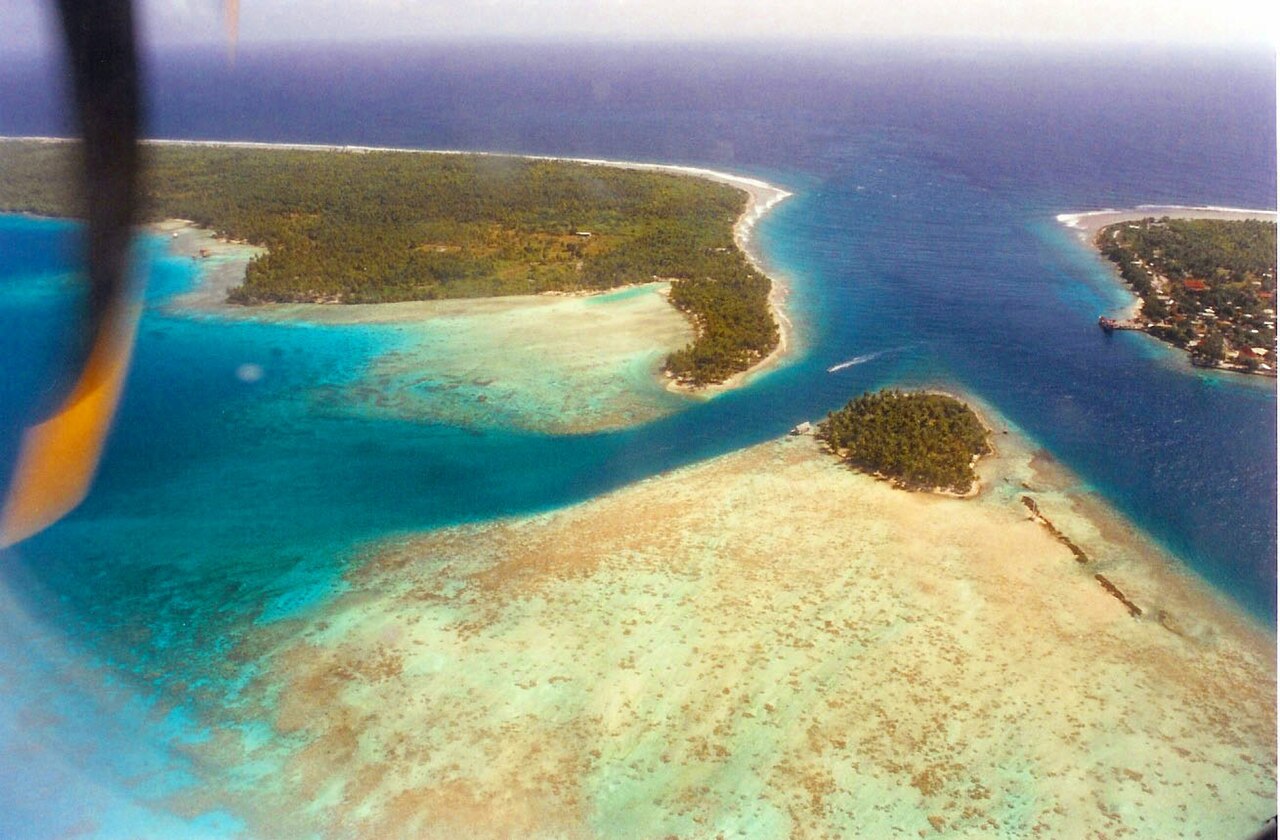
Sleepy Rangiroa atoll village stretched across narrow islets between lagoon water and open ocean.

More a sleepy hamlet than a settlement, Avatoru is a series of islets connected by concrete bridges. It and neighbouring Tiputa are the only populated areas of the Rangiroa atoll, aside from the boat-accessible resort across the main lagoon.

Avatoru is long and narrow with a single paved road from end to end. A bike is the right vehicle: lagoon on one side, open ocean on the other. The airport is at one end — a single open-sided room with a hand-painted TAPU sign keeping people off the runway.

The village has a couple of dive shops, a handful of pensions (guesthouses), and the Kia Ora resort hotel. There are no bars or clubs; evenings are quiet. The small graveyard makes interesting use of coral and shells. In June–August the sun sets early and the nights are cool for the tropics, but the stars are spectacular once the light goes.

Bring cash. The ATM at Banque Socredo is the only one that reliably works with foreign cards, and it is not always working. Two banks sit next to each other near the centre of the strip.

Guide

Beaches

Rangiroa is an atoll, and it's all about coral reefs rather than sandy beaches. Cyclones washed away much of the sand, but the views are still very beautiful and the lagoon colors are simply stunning. You can sit all day under the coconut trees on the coral beaches and feel you are in paradise if you just bring a towel or blanket. The lagoon water is warm and great for swimming.

If you're looking for snorkeling or SCUBA diving, you've come to the right place. Avatoru has two passes that offer drift diving and great snorkeling in the lagoon right off any beach. (Bring water shoes as you'll be walking over coral pieces and rocks.)

Locals advised me that you can swim in the lagoon with no fear of the many sharks and rays. However, they emphasized more than once that it is very dangerous to swim on the ocean side. (The exception is if you're an experienced SCUBA diver and you're doing a supervised drift dive in the pass.) I was in Avatoru for three weeks, snorkeled off the beach about every other day, and saw sharks and rays every time along with the expected schools of smaller colorful tropical fish.

For a day trip, Lagon Bleu is spectacular, and you will see schools of baby sharks there. It takes about an hour by boat from Avatoru. Ask your pension owner which boat operators are running trips. Lagon Vert is smaller but equally pretty; there is a fish park where you can swim with large tame sharks and rays.

Guide

Eating Out

Avatoru is not a place you come for the restaurant scene. Options are limited to a handful of pensions serving table d'hôte meals and a few small snack bars along the main road. The food is honest rather than ambitious: grilled fish caught that morning, poisson cru (raw tuna marinated in lime juice and coconut milk), rice, and breadfruit.

The best meals are often eaten at your pension. Most places will cook for you if you ask in advance; it's worth doing at least once. Fresh tuna is almost always on offer, and the Polynesian preparation — with coconut milk — is excellent.

The village store stocks basics: tinned goods, bread, some fresh produce. Opening hours are relaxed. A small market sometimes appears at weekends near the waterfront.

Guide

Things to Do

More affordable and far less developed than the Society Islands — Tahiti, Bora Bora, Moorea — Avatoru is quiet by design. The main draws are underwater, but there is enough above the surface to keep you occupied.

The two passes (Avatoru Pass and Tiputa Pass) are the headline: strong tidal currents draw in sharks, rays, barracuda, dolphins, and every kind of reef fish. Drift diving and drift snorkelling here rank among the best in the Pacific. Underwater photographers will find no shortage of subjects — grey reef sharks in clear water, manta rays, the full spectrum of tropical fish.

Above water, the lagoon is glassy and warm. The coral beaches are rocky rather than sandy (cyclones washed away most of the sand long ago), but the colours are extraordinary and the coconut-tree shade is good. The community graveyard is small and worth a quiet look — coral and shell decorations, local names, simple wooden crosses.

Rangiroa is geologically old and the ocean is slowly reclaiming it. You can see the erosion clearly on both the lagoon side and the ocean side; some old bungalows are collapsing into the water. After dark, Avatoru is genuinely dark — too small for street lighting to matter. The Milky Way is bright on clear nights, and you understand viscerally how Polynesian navigators found their way across the Pacific.

Guide

When to Go

Rangiroa sits just south of the equator and is warm year-round, but the two seasons are distinctly different.

May to October is the dry season and the best time to visit. Temperatures are cooler (23–28°C), humidity drops, and the trade winds keep things pleasant. The water is at its clearest for diving, and the dolphin pods at Tiputa Pass are reliably present. June to August brings the most comfortable days, though nights can be genuinely cool and the sun sets early.

November to April is the wet season: hotter, more humid, and prone to afternoon squalls that come and go quickly. Cyclones are rare but possible between December and March — Rangiroa has suffered serious damage before. The reef fish are more active in warmer water, and visibility is generally still good between rain events.

The lagoon is warm enough to swim in comfortably all year (around 27–29°C). Wetsuit requirements for diving are minimal — a 3mm shorty is enough even in the coolest months.

Avoid August school holidays if crowds concern you; even in a place this quiet, the pensions fill up.