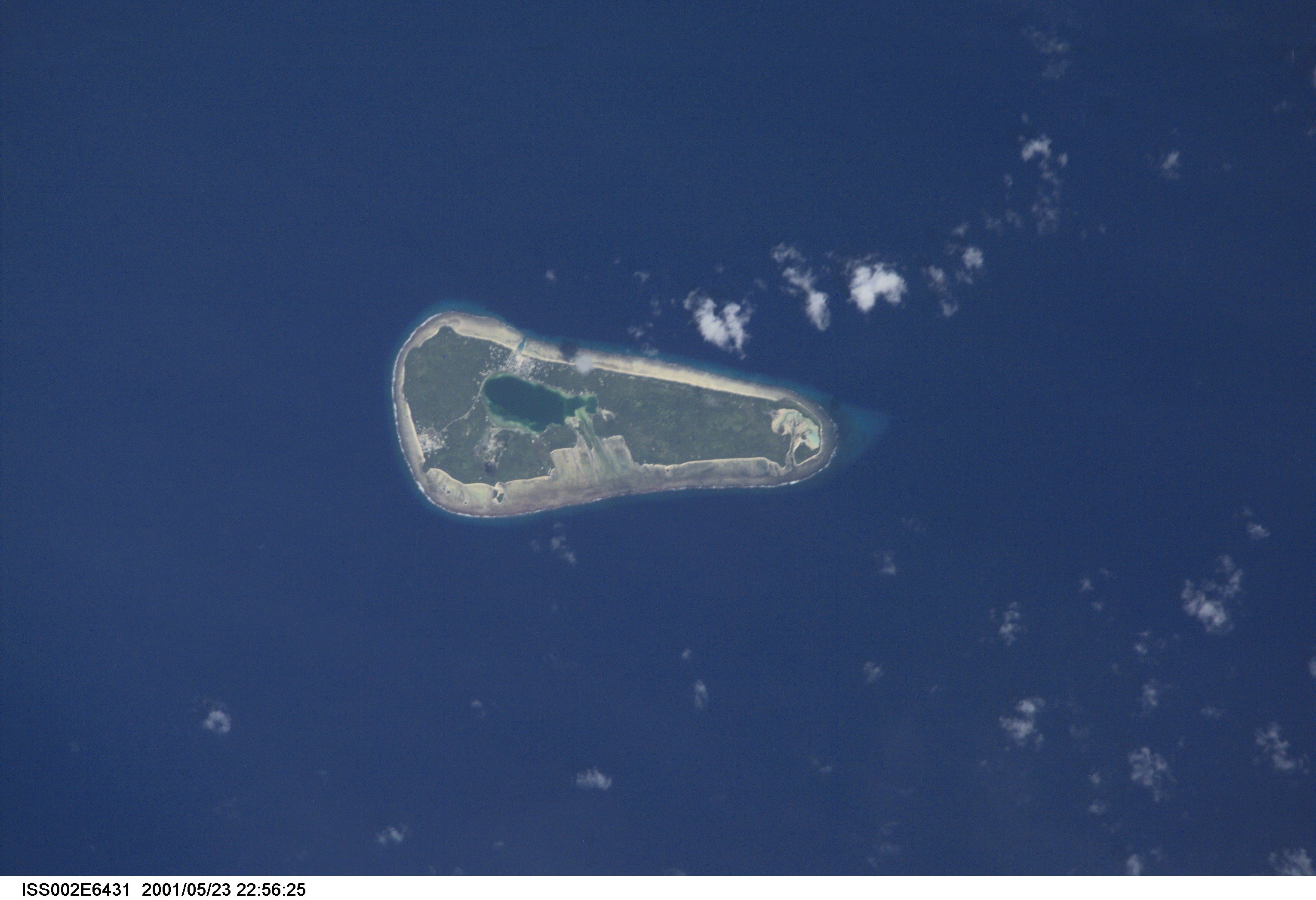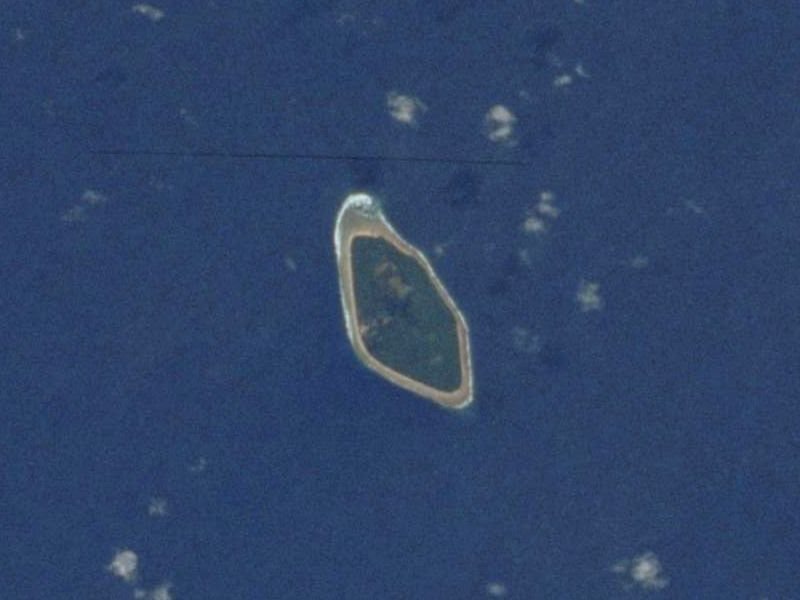
Tuvalu is one of the world's smallest and most remote nations — nine coral atolls scattered across the central Pacific, with a total land area of just 26 square kilometres and a population of around 11,000. It is also, almost certainly, the most endangered country on earth. Sea levels are rising at roughly five millimetres per year here, faster than the global average, and much of Tuvalu sits less than two metres above the tide. The question of whether the country will still exist in its current form by the end of this century is not abstract; it shapes politics, identity, and daily life.
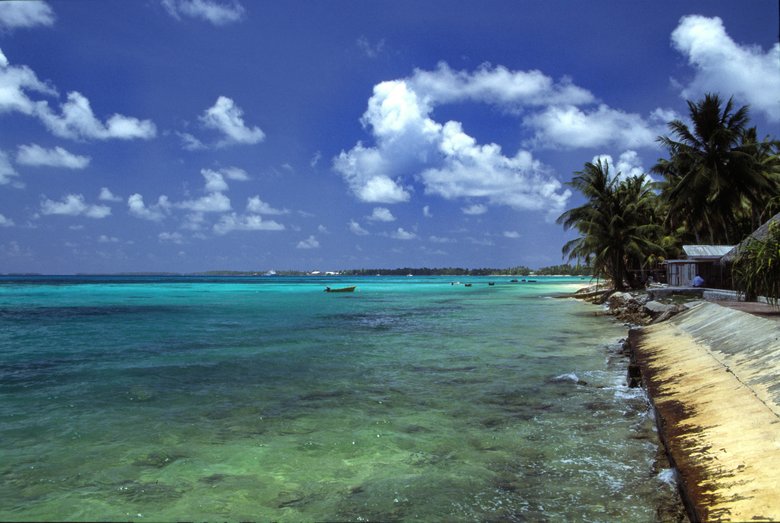
That context is worth holding in mind when you visit, but it should not obscure what Tuvalu actually is: a genuinely beautiful, profoundly peaceful Polynesian nation with warm, welcoming people and a lagoon on Funafuti that ranks among the finest in the Pacific. Visitors are rare — only a few hundred tourists arrive each year — and the absence of a tourist industry is both a challenge and a pleasure. You will mostly be left to find your own way.
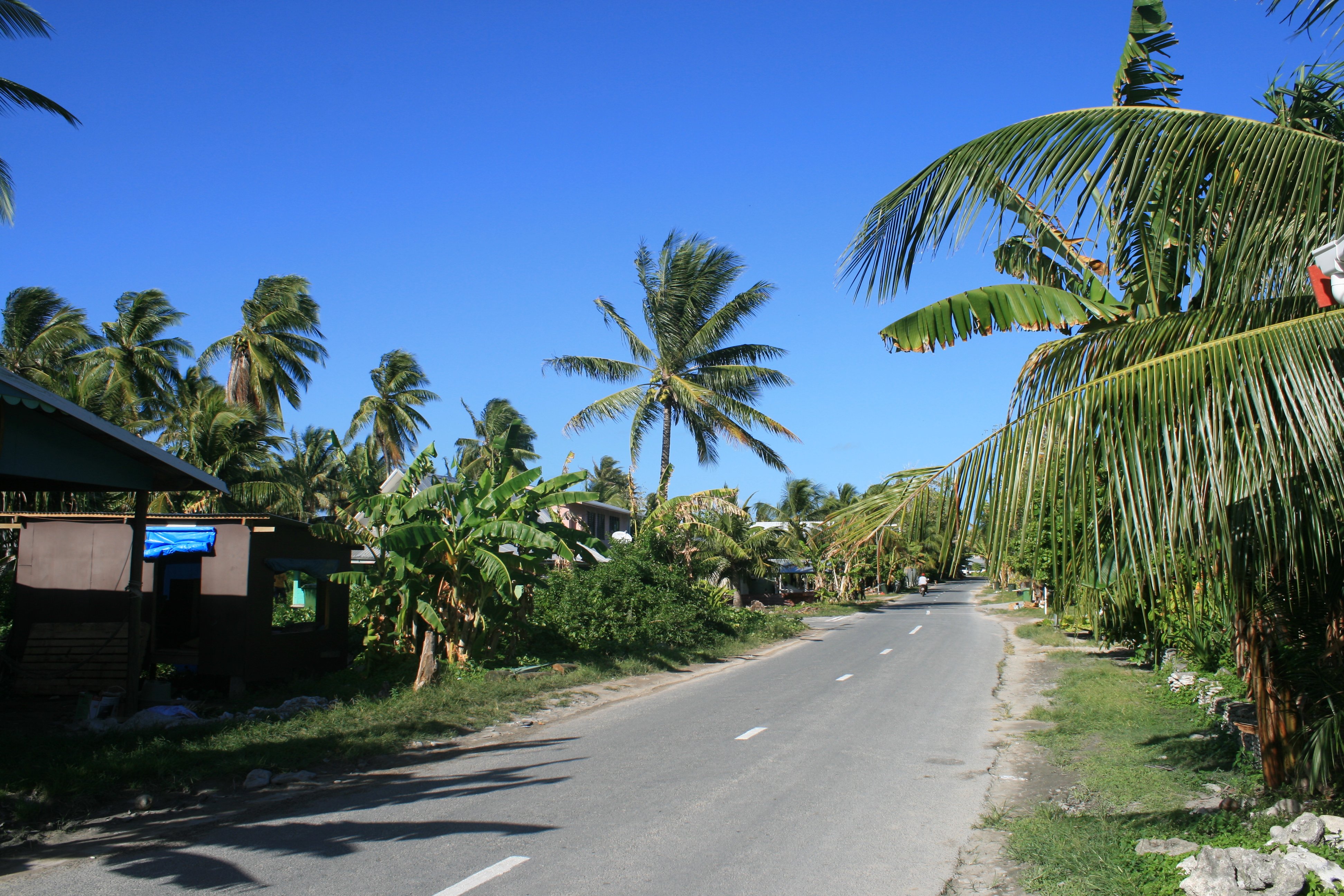
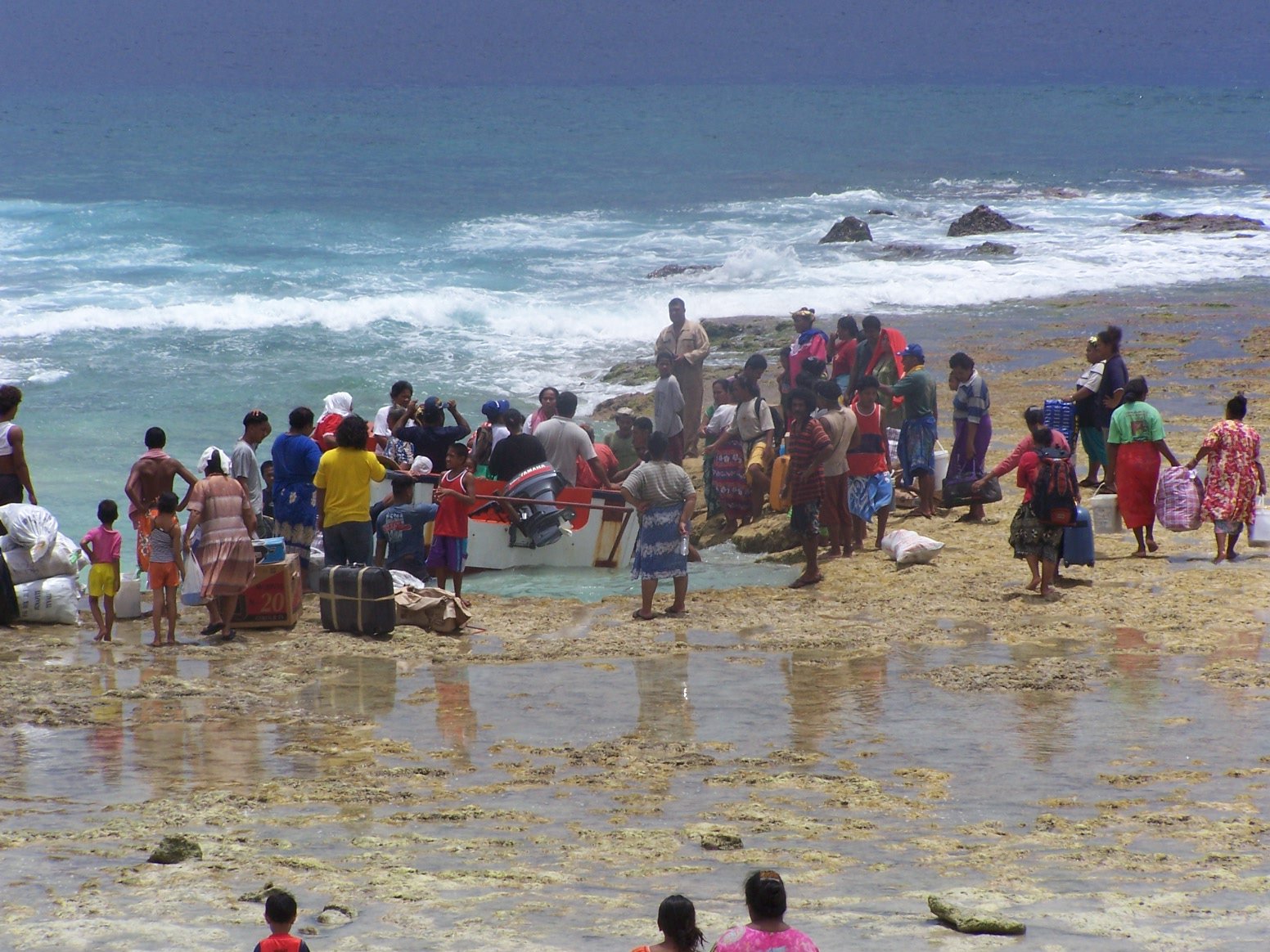
Almost everything happens on Funafuti Atoll, the capital atoll, where the island of Fongafale holds the airport, the government, the one main road, and the majority of the population. The outer atolls — Nanumea, Nanumanga, Niutao, Nui, Vaitupu, Nukufetau, Nukulaelae, and Niulakita — are extremely difficult to reach and rarely visited by outsiders. They are traditional communities where subsistence fishing and pulaka cultivation remain central to life.
In 2023, Tuvalu signed the Falepili Union treaty with Australia — the world's first bilateral climate mobility agreement. It grants up to 280 Tuvaluans per year the right to settle permanently in Australia. The agreement is significant and contested: many Tuvaluans welcomed the pathway, while others argued the process lacked public consultation and came with sovereignty strings attached. It is a glimpse of the painful negotiations that small island states must make as climate change reshapes their futures.
Tuvalu is not an easy destination. Flights are infrequent, accommodation is limited, and getting beyond Funafuti requires patience, flexibility, and local contacts. But for travellers who make the effort, it offers something increasingly rare: a place that has barely been touched by mass tourism, where the pace of life is gentle, the lagoon is extraordinary, and the stakes — for the people who live here — could not be higher.