Nanumea is the northwesternmost atoll of Tuvalu, about 480 kilometres from Funafuti and close enough to the equator that the air feels noticeably heavier than in the south. Two main islands, Nanumea (sometimes called Nanumea-Niu) and Lakena, enclose a small, shallow lagoon along with a handful of smaller islets. Around 500 people live on the main island, almost all of them in the village cluster of Lolua on the lagoon shore.
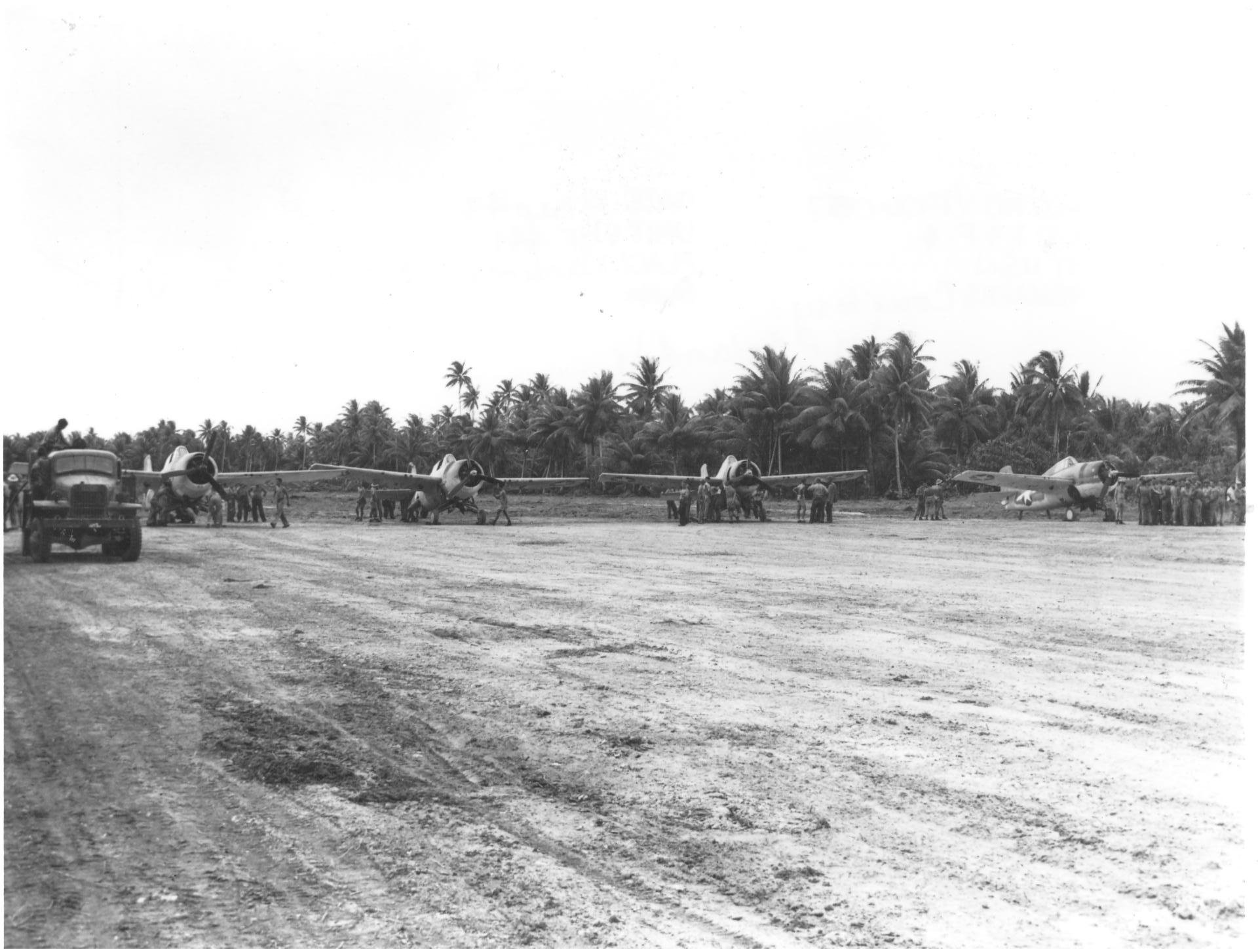
The atoll sits at the strategic northern edge of the country, and it was the Americans who left the most visible mark here. During the Second World War the United States Marine Corps built a forward base on Nanumea in late 1943, with a coral airstrip that supported the bombing campaign against the Gilbert Islands. The wreckage of an F4F Wildcat — and various landing craft, anti-aircraft positions, and the remains of the airstrip itself — can still be found, mostly along the northeastern shore. These are among the most significant WWII remains in the country and the main reason serious Pacific-war historians make the long trip out.
Life on Nanumea is otherwise much as it has been for centuries. People fish, cultivate pulaka and coconut, and gather in the village maneapa for community decisions and ceremonies. The Catholic Church of Lolua, a low white building near the wharf, is the most prominent structure in the village. There is no tourist infrastructure: no guesthouses in any normal sense, no shop with anything beyond rice and tinned fish, and electricity that runs on a generator schedule.
Getting here requires the inter-island vessel from Funafuti, a journey of a day and a half each way at the very best, and there is no telling how long you might stay before the boat returns. If you make the trip, do so with patience, a host arranged in advance through Tuvaluan contacts in Funafuti, and small gifts for the household. You will be one of perhaps a dozen visitors all year, and you will be looked after accordingly.