Butrint
©
Butrint

Butrint

Forested Albanian archaeological site where Greek, Roman, Byzantine, and Venetian ruins crowd a lagoon peninsula

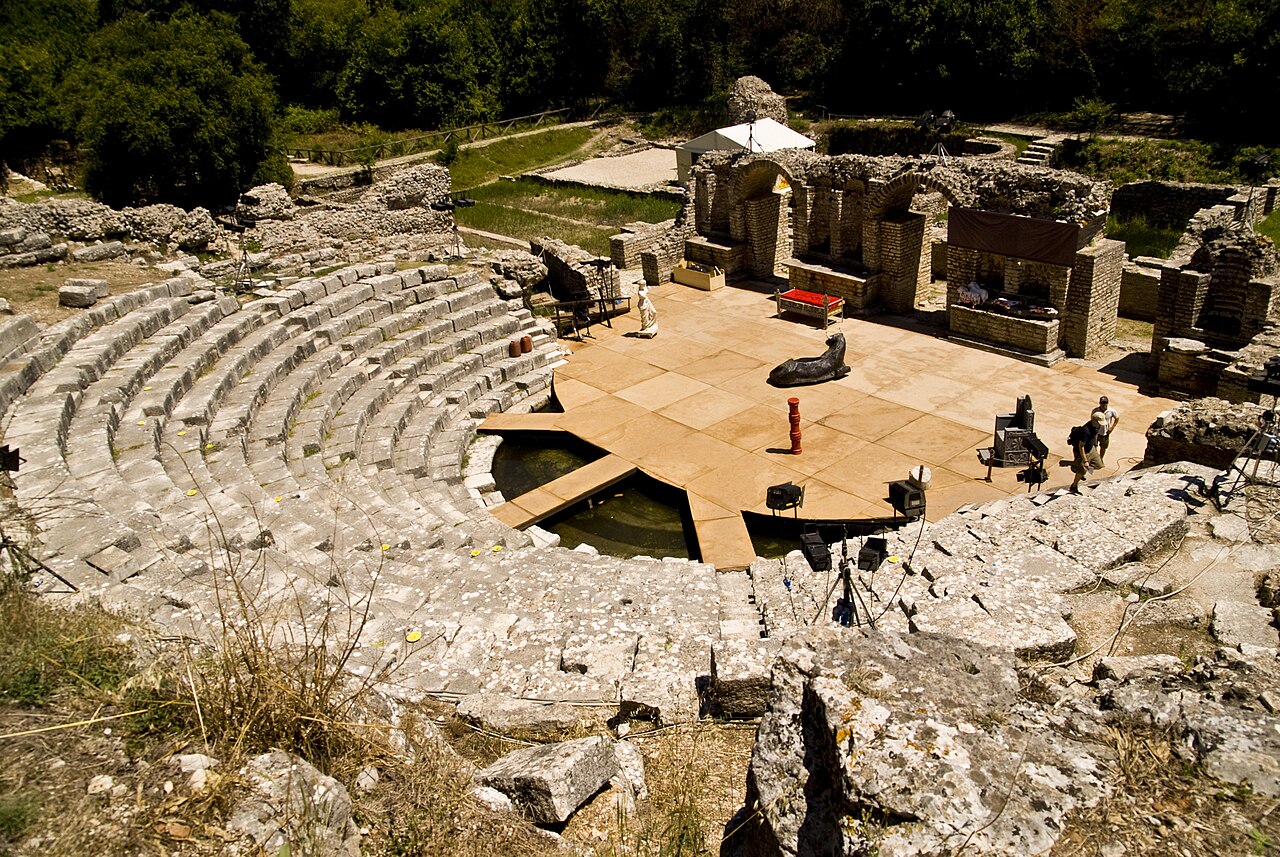
Butrint is Albania's most impressive archaeological site and a UNESCO World Heritage Site. It occupies a small forested peninsula between the Straits of Corfu and Lake Butrint, about 18 km south of Saranda.

The site has been inhabited since prehistoric times and has served, in succession, as an Illyrian settlement, a Greek colony, a Roman city, a Byzantine bishopric, and a Venetian outpost. Each era left something behind, and the density of ruins in a compact area is remarkable. A Greek theatre, Roman baths, an early Christian baptistery with one of the most complete mosaic floors in the Balkans, Byzantine basilicas, and a Venetian castle are all within a short walk of each other.

The setting adds to the atmosphere: tall trees shade the paths, the lake is visible through the vegetation, and in the early morning or late afternoon the site feels genuinely remote and ancient. It is less crowded than comparable sites in Greece or Italy.

A ferry crossing connects the main ruins to the Venetian triangular castle on the opposite bank — worth doing. The Lion Gate in the inner walls and the site museum in the Ottoman tower near the entrance are both easy to miss if you're moving quickly.

Butrint is easily visited as a day trip from Saranda. A taxi or bus gets you to the gate; most people spend two to three hours on site. The national park surrounding the ruins protects wetlands of significant ecological value and rewards birdwatchers and anyone who prefers a quieter walk beyond the main site.

Guide

Visitor Information

The park is open daily from 8 am to dusk. Allow around three hours for a thorough visit. Entry fees are 700 leke for foreign visitors (500 leke for groups of ten or more) and 200 leke for Albanians. An English-language guidebook to the monuments is available at the ticket office or directly from the Butrint Foundation.

The park administration is based in Saranda: R. Skenderbeu Lagja 1, Godina e Muzeut Etnografik, Saranda. Phone: +355 852 4600.

Guide

Getting There

Butrint is 19 km south of Saranda, which is the main gateway for the area. The drive takes about 20 minutes and passes through Ksamili with views across the lake toward the ruins. Most visitors come as a day trip from Saranda; taxis from the port cost around €40–50 for the day (agree the price upfront — taxis are hard to find at Butrint in the afternoon). Some ferry operators offer inclusive day-trip packages that include coach transport from Saranda.

From Corfu

The quickest crossing from Greece is the hydrofoil from Corfu town to Saranda (around 30 minutes, departing roughly 9 am and 4 pm). Slower passenger ferries take about 1 hour 40 minutes; at least one car ferry also operates. Single tickets cost around €15. Buy your return ticket separately so you can choose your preferred crossing time. Check current timetables at the port before planning your day.

Border formalities take place on the boat: Greek passport control before boarding, Albanian customs officials on arrival at Saranda. Keep the small white exit-visa card you receive on entry — you will need it when leaving Albania.

From Saranda by road

Turn right out of the port, follow the road through town to the main square, then take the lower right-hand road out toward Ksamili and Butrint. There is one petrol station between Saranda and Butrint, at Ksamili.

From Ioannina

Take the E90 from Ioannina, then the E853 to the Kakavia border crossing. From Kakavia, head north toward Gjirokastra and turn left at Jergucati, over the mountains toward Saranda — allow around 2 hours in total. The road via the Bistrice river valley is better than the alternative via Delvina. On this route, a worthwhile detour is the Blue Eye (Syri Kaltër), a vivid freshwater spring that bubbles up from a 50-metre-deep pool at the foot of the mountains.

By yacht

Saranda is the port of entry for the region; all customs must be cleared there before landing elsewhere. Radio on VHF channel 11 or 16 when approaching. The harbour master speaks English, Greek and Italian.

Guide

Things to Do

Butrint's archaeological zone covers a compact forested peninsula — you can cover the highlights in two to three hours, though the density of remains rewards a slower pace. Enter from the ticket office on the north side; the path loops through the site in roughly chronological order.