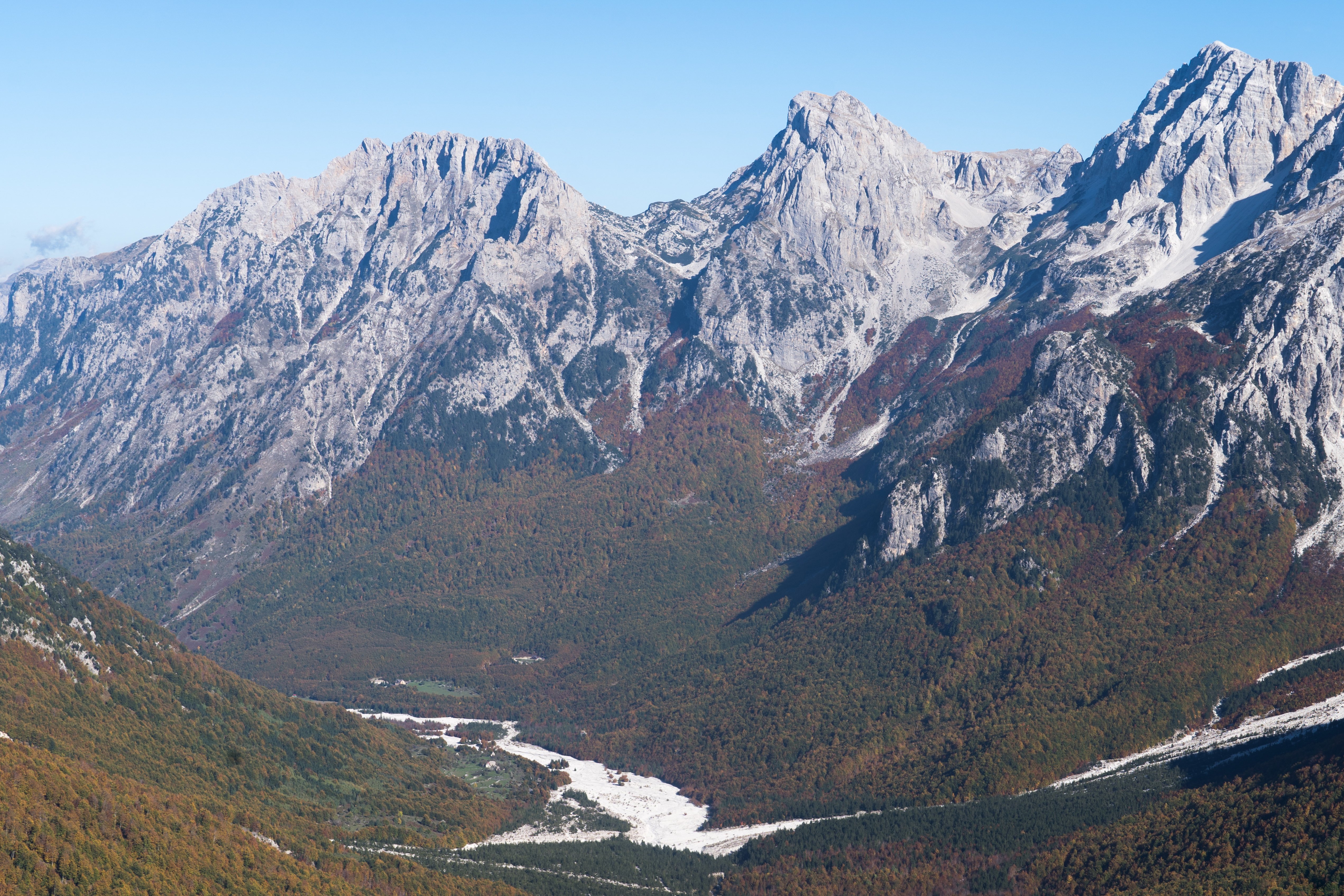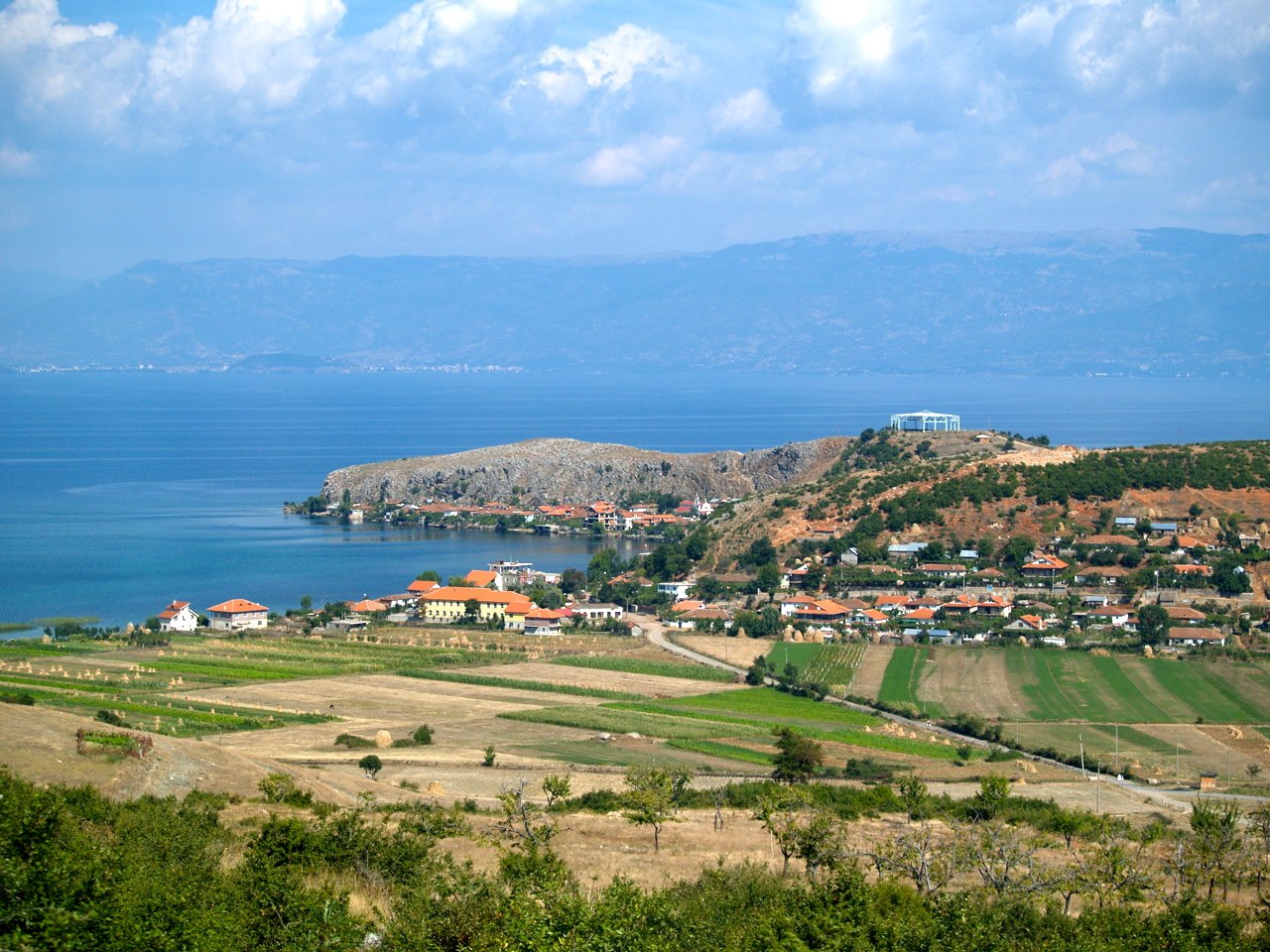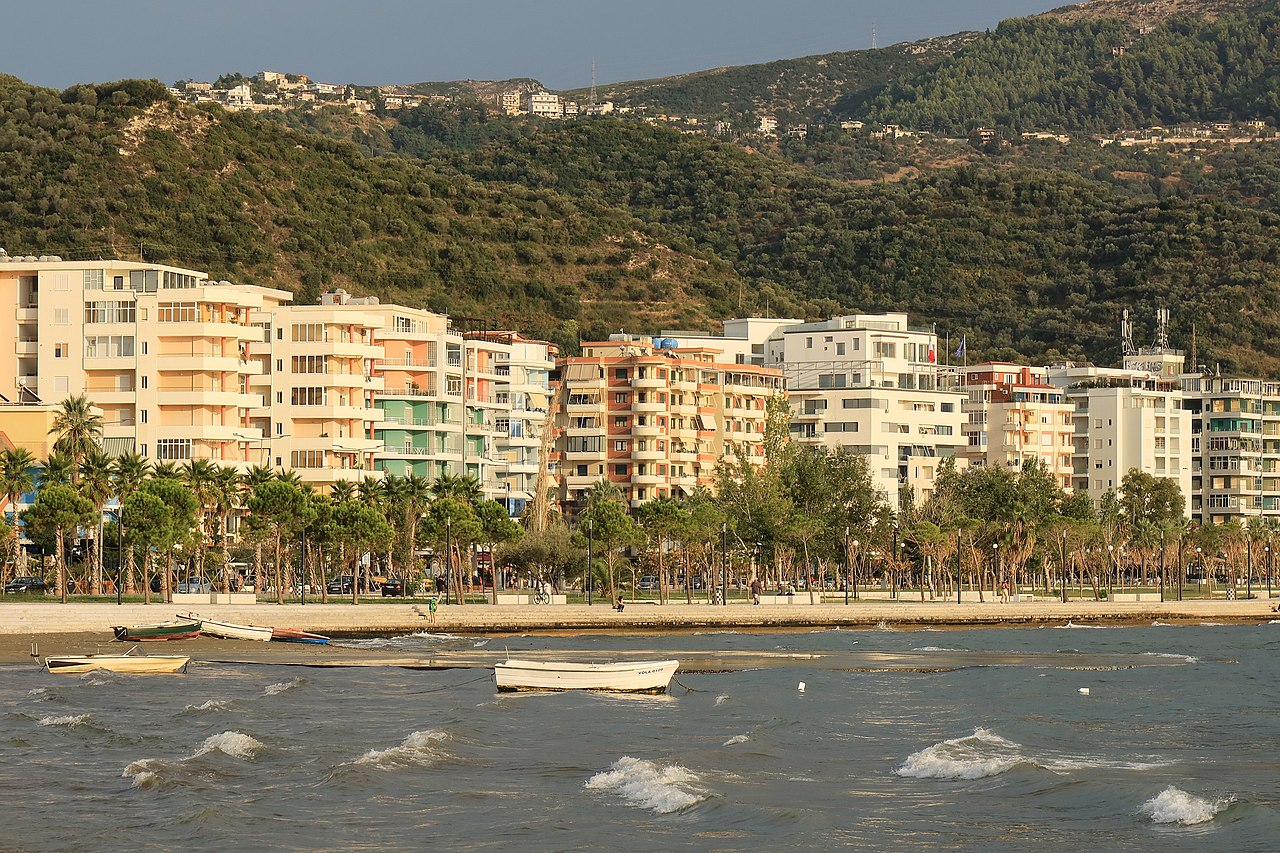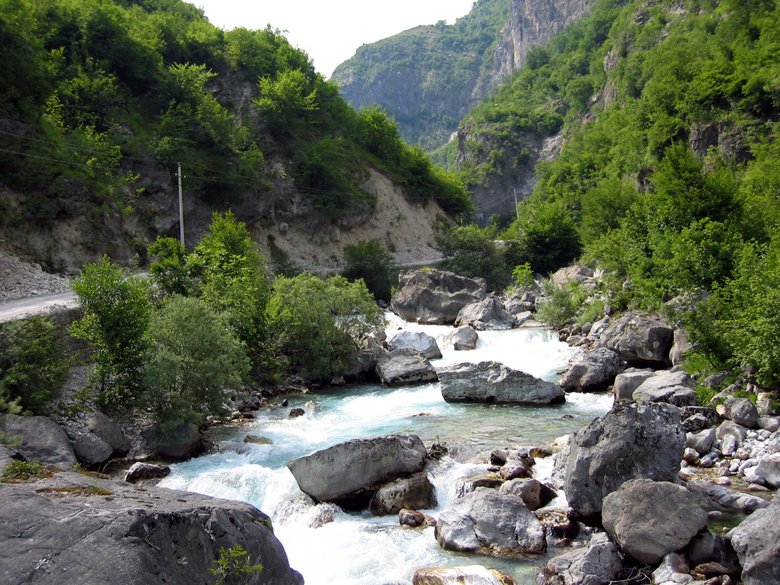
Albania is a small country on the southeastern Adriatic coast, wedged between Montenegro, Kosovo, North Macedonia, and Greece. It spent 45 years under one of the most extreme communist regimes in the world, sealed off from outside contact until 1991. That isolation left the country economically behind its neighbours but also, paradoxically, preserved things: landscapes unmarked by mass tourism, cities with genuine character, villages where the old ways held.
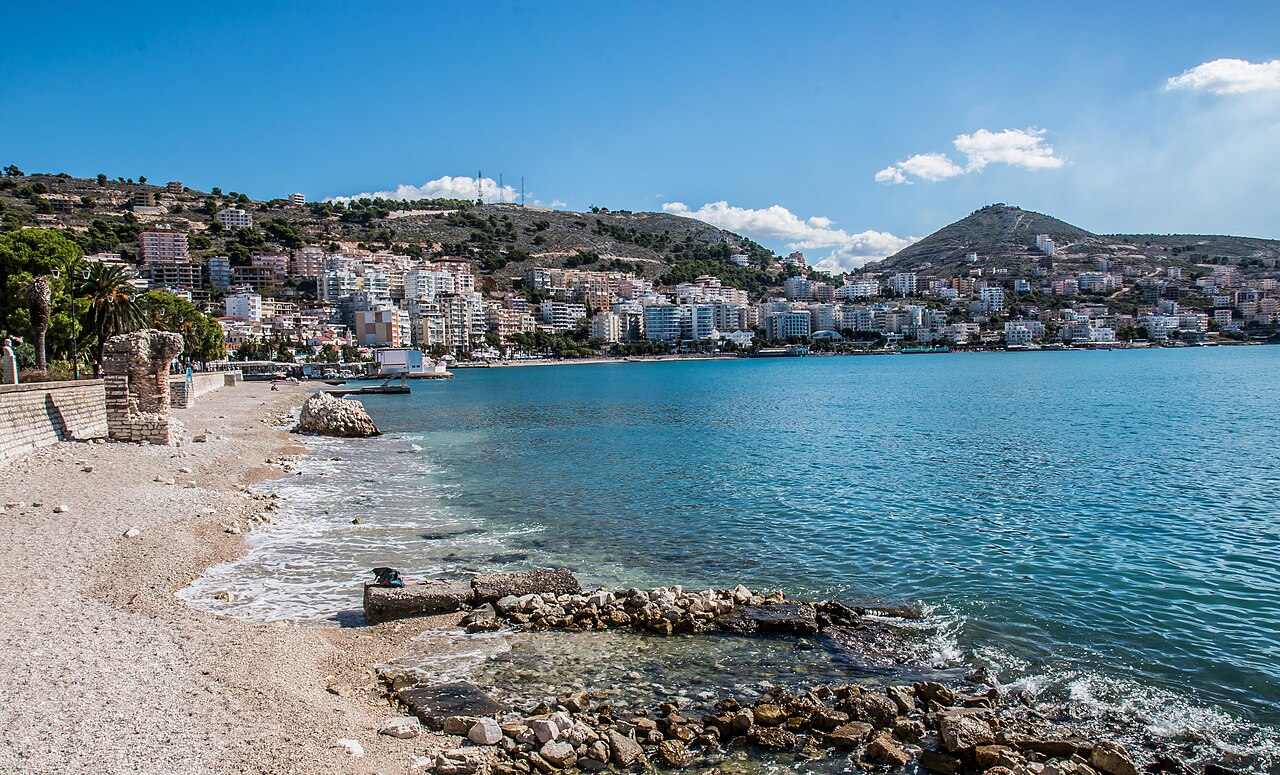
That is changing. Albania has become one of the fastest-growing destinations in Europe, and the infrastructure has improved dramatically. The Albanian Riviera now draws visitors from across the continent. But much of the country — the northern mountains, the interior, the smaller towns — remains genuinely off the beaten track.
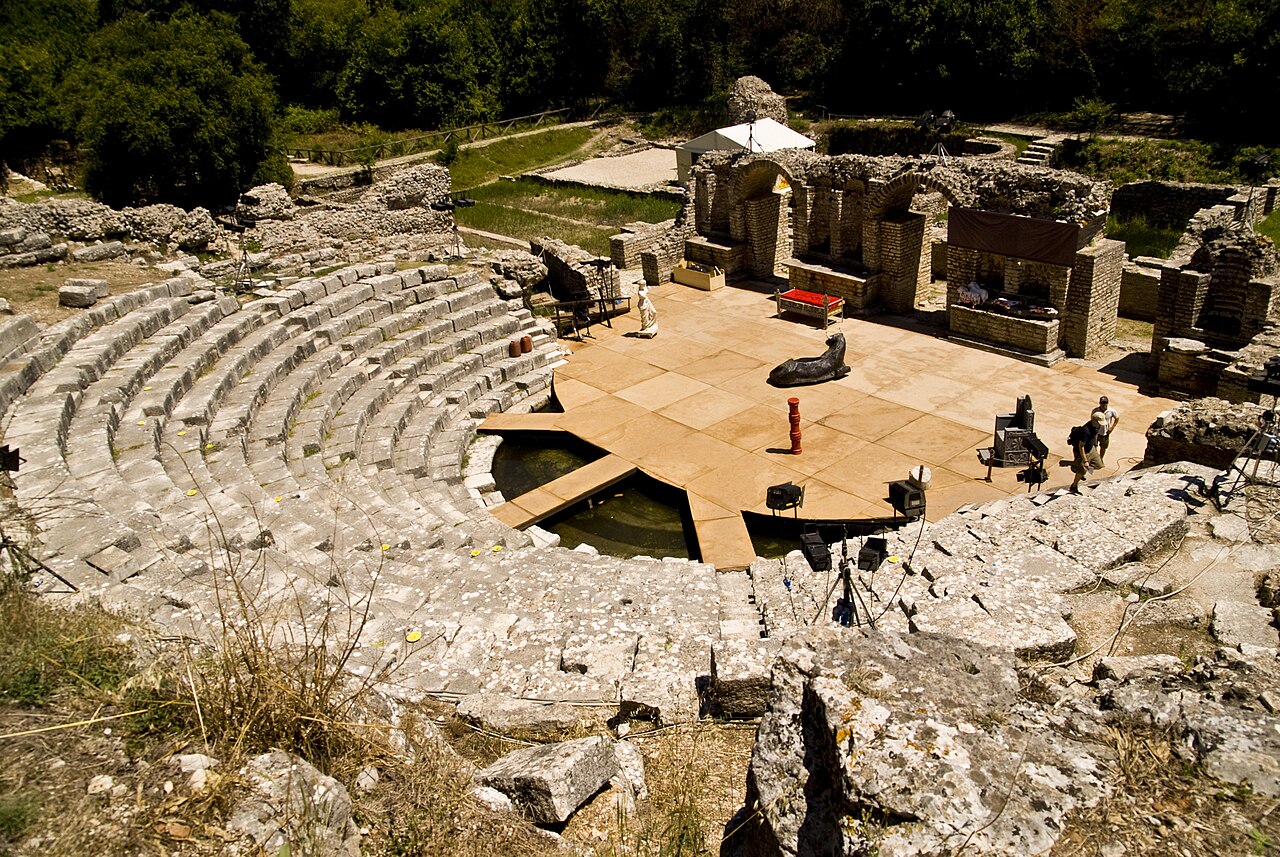
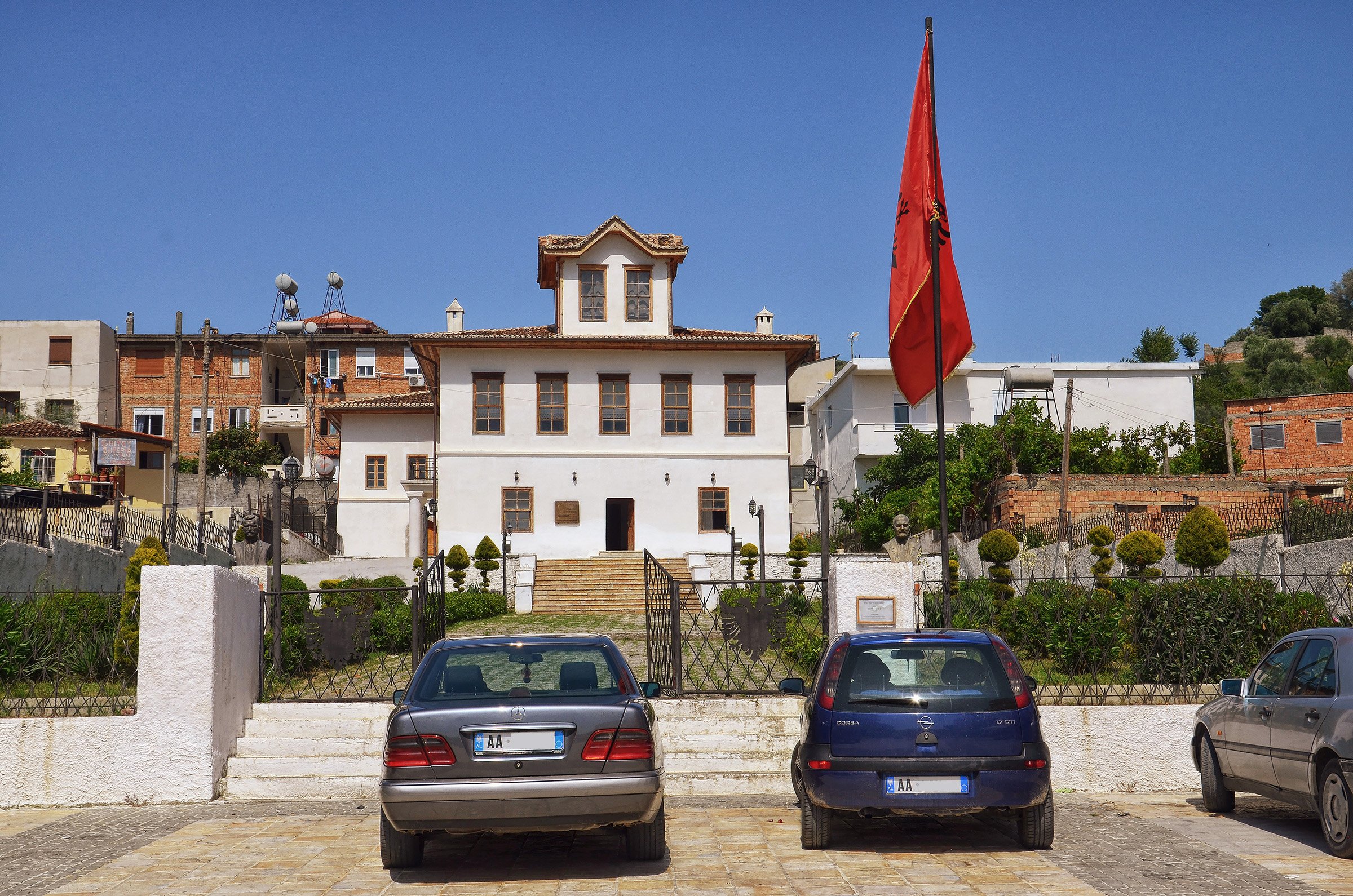
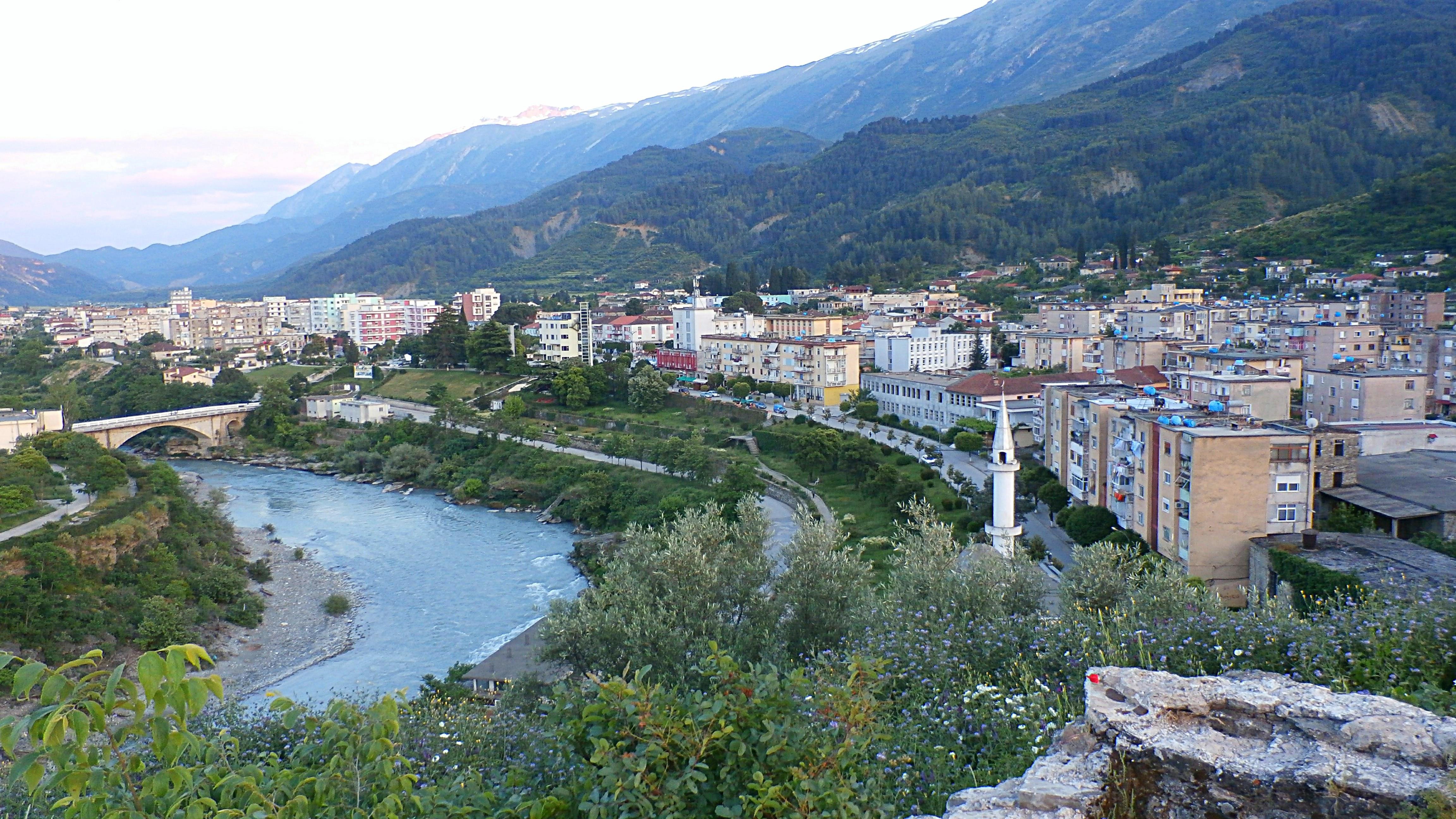
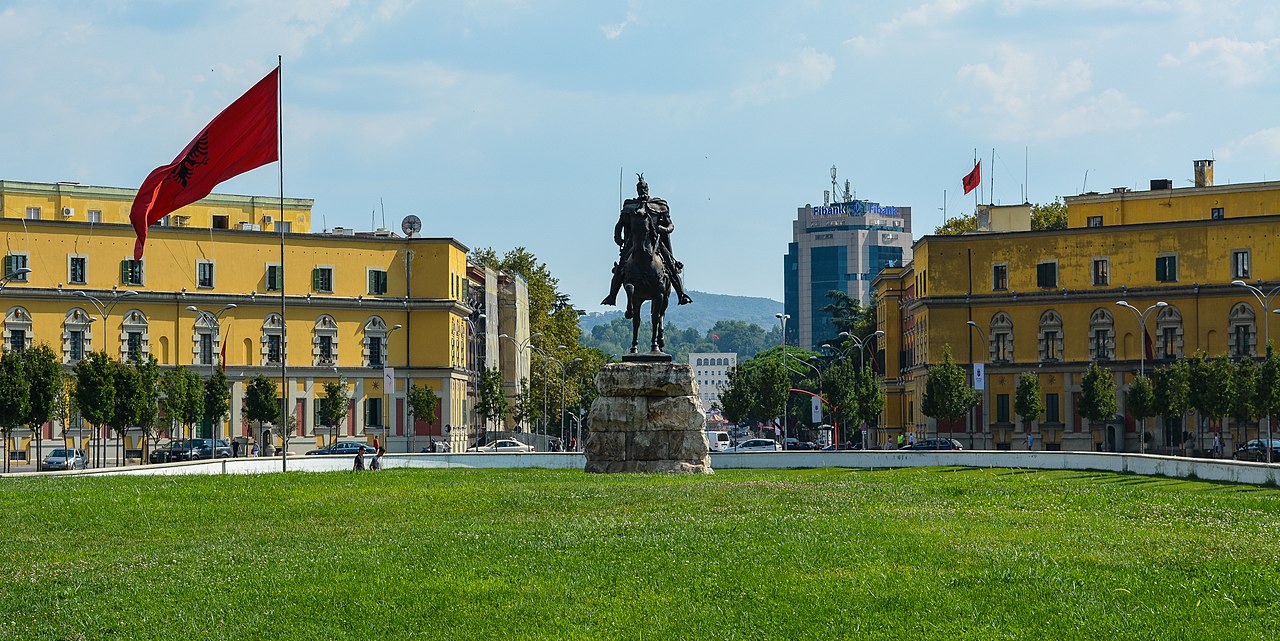
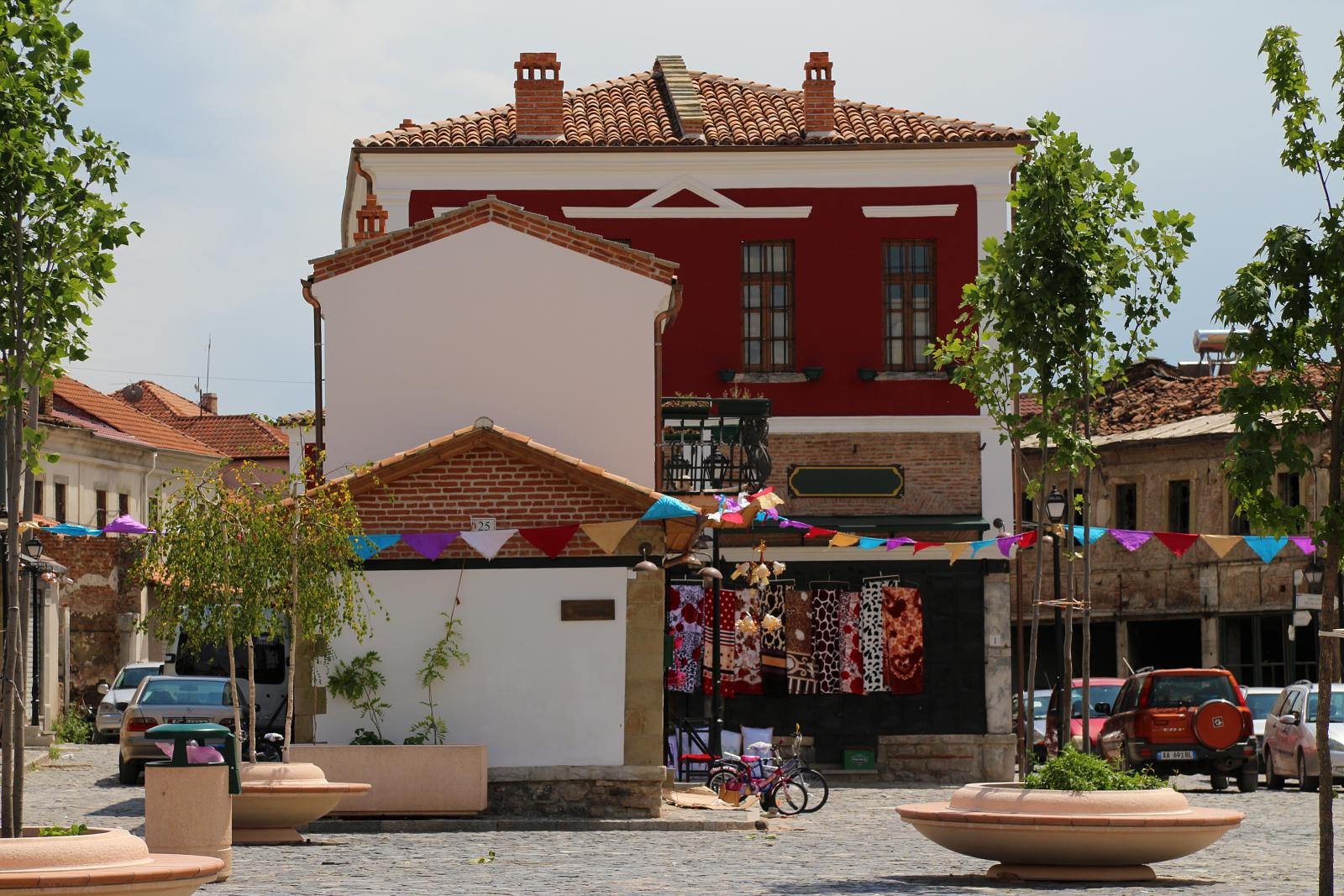
The two UNESCO-listed towns, Berat and Gjirokastër, are among the best-preserved examples of Ottoman urban architecture anywhere in the Balkans. The ruins at Butrint, near Saranda, layer Greek, Roman, Byzantine, and Venetian history on a single forested peninsula. Tirana, the capital, has reinvented itself as a lively, colourful city.
Albanians have a fierce sense of hospitality — being invited in, fed, and helped by strangers happens more here than almost anywhere else in Europe. The currency, the lek, goes a long way. And for anyone arriving from Italy or Greece, the contrast in prices is immediate and welcome.
Albania is not without friction. Traffic is chaotic, roads outside the main corridors can be rough, and English is less universal outside the cities. But these are minor inconveniences against what the country offers. It rewards patience and curiosity.