Corrush
©
Corrush

Corrush

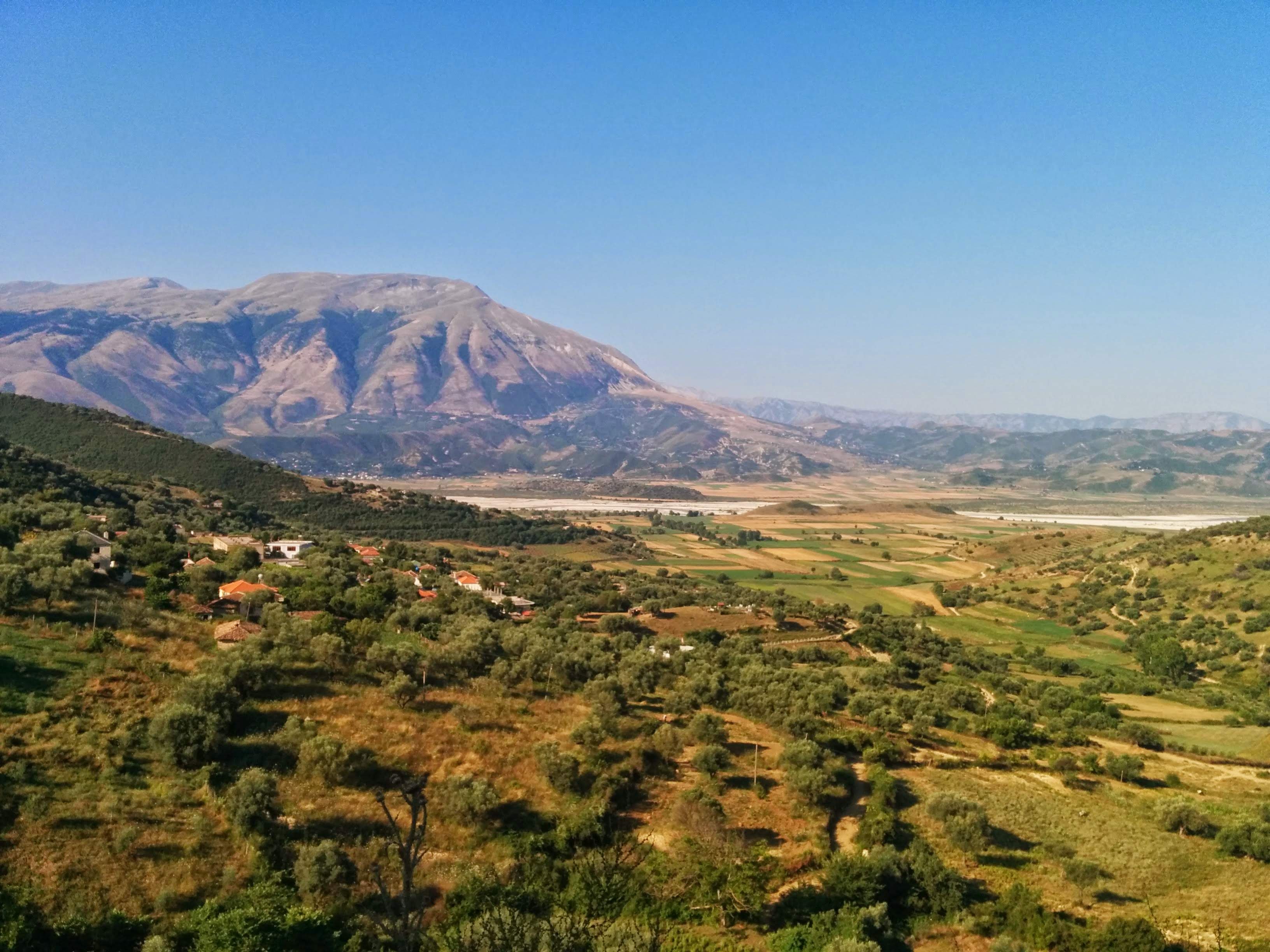
Small Mallakastër village in southern Albania, set among olive groves and dry rolling hills.

Corrush is a small village in the Mallakastër district of southern Albania, set among the dry, rolling hills between the Vjosa river valley and the Adriatic coast. The landscape here is quintessentially southern Albanian — olive groves, scrubby hillsides, and a few scattered stone houses connected by rough roads.

The village is known locally as the birthplace of Mehmet Shehu, who served as Prime Minister of Albania for nearly three decades under the Hoxha regime before his mysterious death in 1981, officially ruled a suicide but widely suspected to have been murder ordered by Hoxha himself. His former house still stands, though it is not maintained as any kind of memorial.

Corrush is not a tourist destination by any measure, but travelers passing through the Mallakastër area on the way between Fier and the coast may find the surrounding countryside appealing in its austerity. The nearby ruins of Apollonia, one of the most important ancient Greek colonies on the Adriatic, are the main reason anyone comes to this part of Albania and are well worth a detour.

Guide

Bars and Cafes

Corrush has no bars or cafes. Like many small villages in rural Albania, social life revolves around private homes. The nearest options for a coffee or drink are in Ballsh, where there are several small Albanian-style cafes serving espresso and raki, the traditional grape or plum spirit that functions as Albania's default social lubricant.

Guide

Day Trips

The ruins of Apollonia are the most compelling excursion from this part of Albania. One of the most significant ancient Greek colonies on the Adriatic, Apollonia was founded in the 7th century BC and became a major intellectual and commercial centre — Julius Caesar studied rhetoric here. The ruins are around 30 kilometres northwest of Corrush and include a substantial theatre, temple remains, and a well-presented museum. The site sits on a hill above the village of Pojan with good views across the plain.

Fier is the nearest city, around 25 kilometres northwest, and offers the full range of Albanian urban life — a busy bazaar area, restaurants, and the regional museum with displays on Apollonia and the wider region.

The Vjosa-Narta Protected Landscape on the Adriatic coast is about an hour's drive, where the Vjosa meets the sea. The lagoon here is an important birdwatching site, with flamingos, pelicans, and numerous migratory species visible at the right times of year.

Berat, the UNESCO-listed "city of a thousand windows", is around 60 kilometres to the east — a feasible day trip by car, with its Ottoman old town and hilltop castle among the most impressive historic sites in Albania.

Guide

Eating Out

There are no restaurants or food establishments in Corrush. The village is a small rural settlement without any tourism infrastructure. Visitors should bring food and water, or plan to eat in Ballsh, around 15 kilometres to the north, which has a handful of simple Albanian restaurants and cafes serving grilled meat, byrek, and local produce.

Fier, the nearest substantial town, has a wider range of options including restaurants serving traditional Albanian cuisine — tave kosi (baked lamb with yoghurt), fergese (peppers and tomatoes with cottage cheese), and fresh fish from the Adriatic coast nearby.

Guide

Getting Around

Corrush is a small village and there is nothing to get around to within it — everything is within walking distance. The surrounding area is best explored by car. The roads connecting the villages of Mallakastër are mostly unpaved or in poor condition, and a vehicle with reasonable ground clearance makes life considerably easier, particularly after rain.

The Vjosa river valley below the village can be reached on foot in about an hour by following the track that descends from the village towards the river. Walking in the surrounding hills is possible and rewarding, though there are no marked trails — the landscape is open enough that route-finding is not difficult.

Guide

Getting There

Corrush is accessed by road from Fier, the nearest significant town, about 25 kilometres to the northwest. There is no public bus service to the village itself. The best approach is by car or taxi from Fier. The roads in Mallakastër are rough in places and a high-clearance vehicle is useful, though not strictly necessary in dry conditions.

Travellers coming from the south can approach via Çorovodë or Tepelenë and drive up through the Vjosa valley. From Tirana, the journey takes around two and a half hours by car.

Guide

Things to Do

Corrush is a small village with no formal tourist infrastructure. The interest here is quiet rural Albania — olive groves, rough roads, and the particular atmosphere of a place that time has largely passed by. The area around the village offers some scope for walking in the surrounding hills, and the village itself provides a glimpse of everyday life in one of Europe's more isolated corners.

Guide

When to Go

Spring (April to June) and autumn (September to November) are the most comfortable seasons for visiting the Mallakastër region. Temperatures are mild, the olive groves and hillsides are green, and the light in the valley is particularly good. Wildflowers cover the hillsides in April and May.

Summer is hot and dry, with temperatures regularly exceeding 35°C in July and August. The landscape becomes parched and brown, and the Vjosa river drops to a fraction of its winter volume. That said, summer is also when the Vjosa is most swimmable.

Winter is mild by Balkan standards but can be rainy and grey. Roads in the area can become difficult after heavy rain.