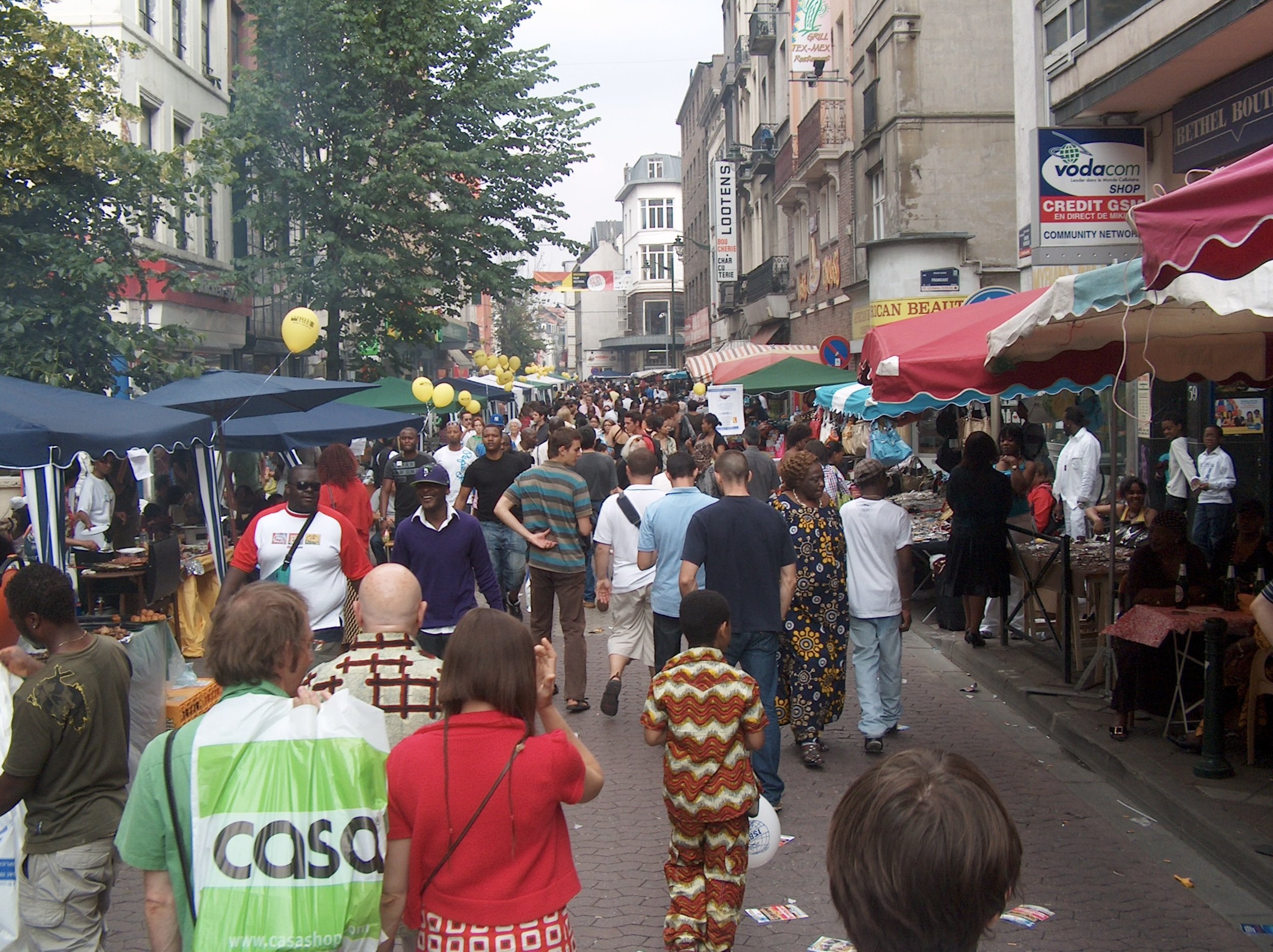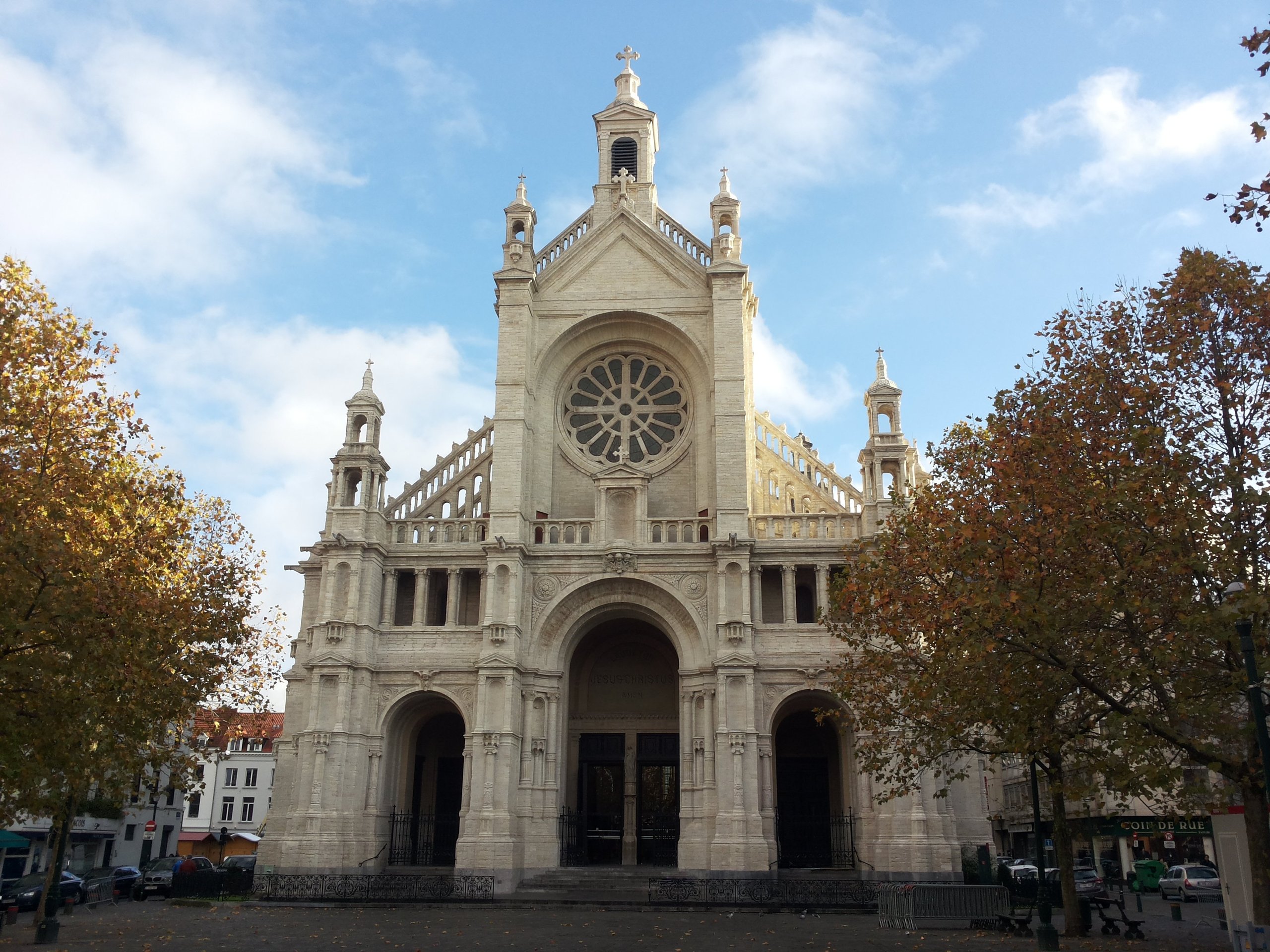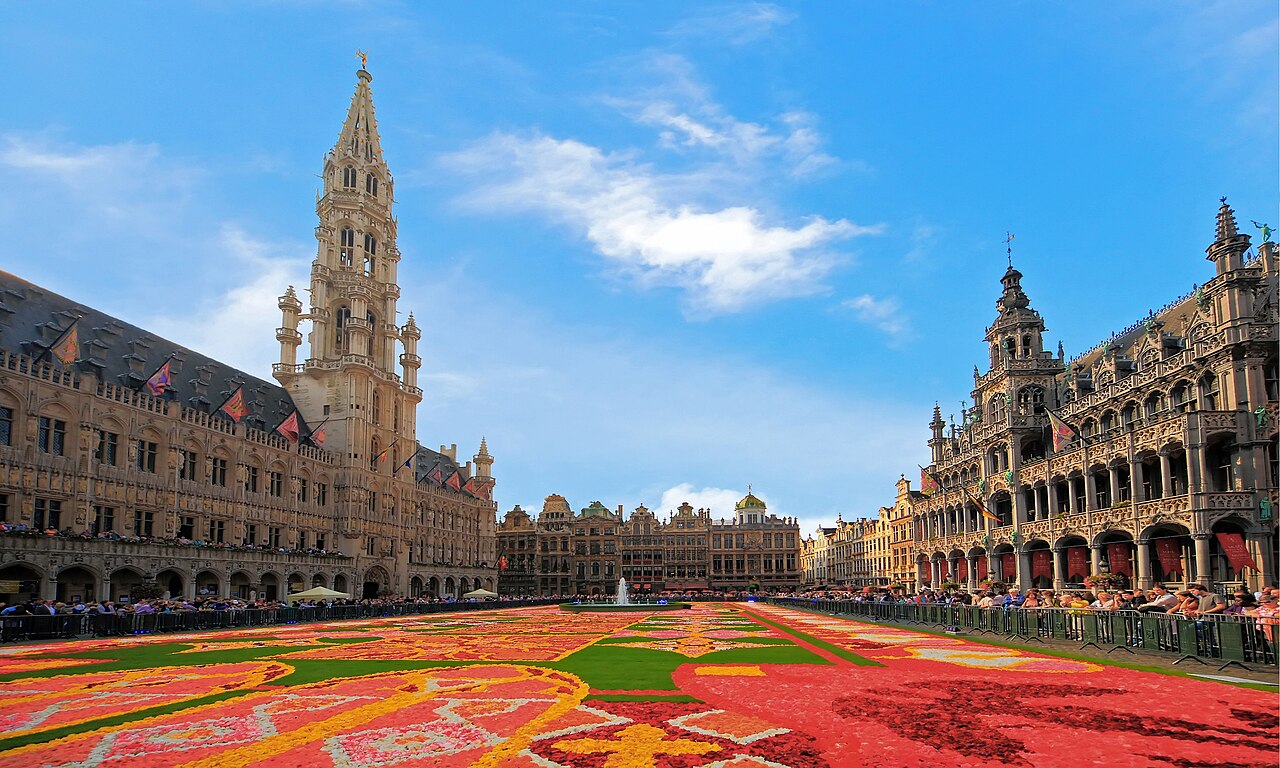
Brussels wears two hats. Politically, it is the de facto capital of the European Union — home to the European Commission, the Parliament, the Council, and a vast functional neighbourhood of glass-and-steel around Schuman that lives off EU business. Culturally, it is the bilingual capital of a country that is itself oddly constructed — every sign in French and Flemish, every official bureaucracy duplicated, a layer of dry self-aware humour about the whole arrangement.
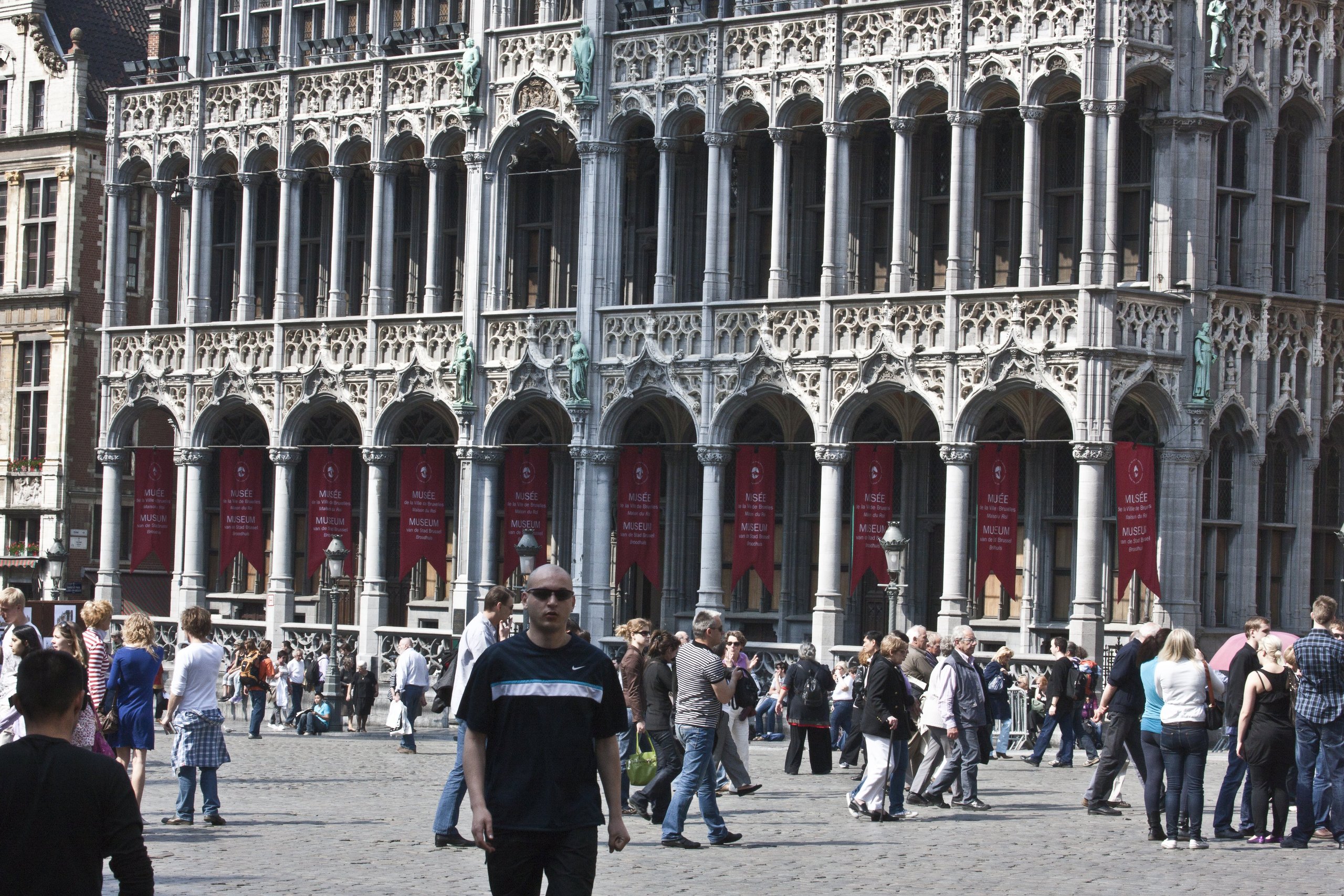
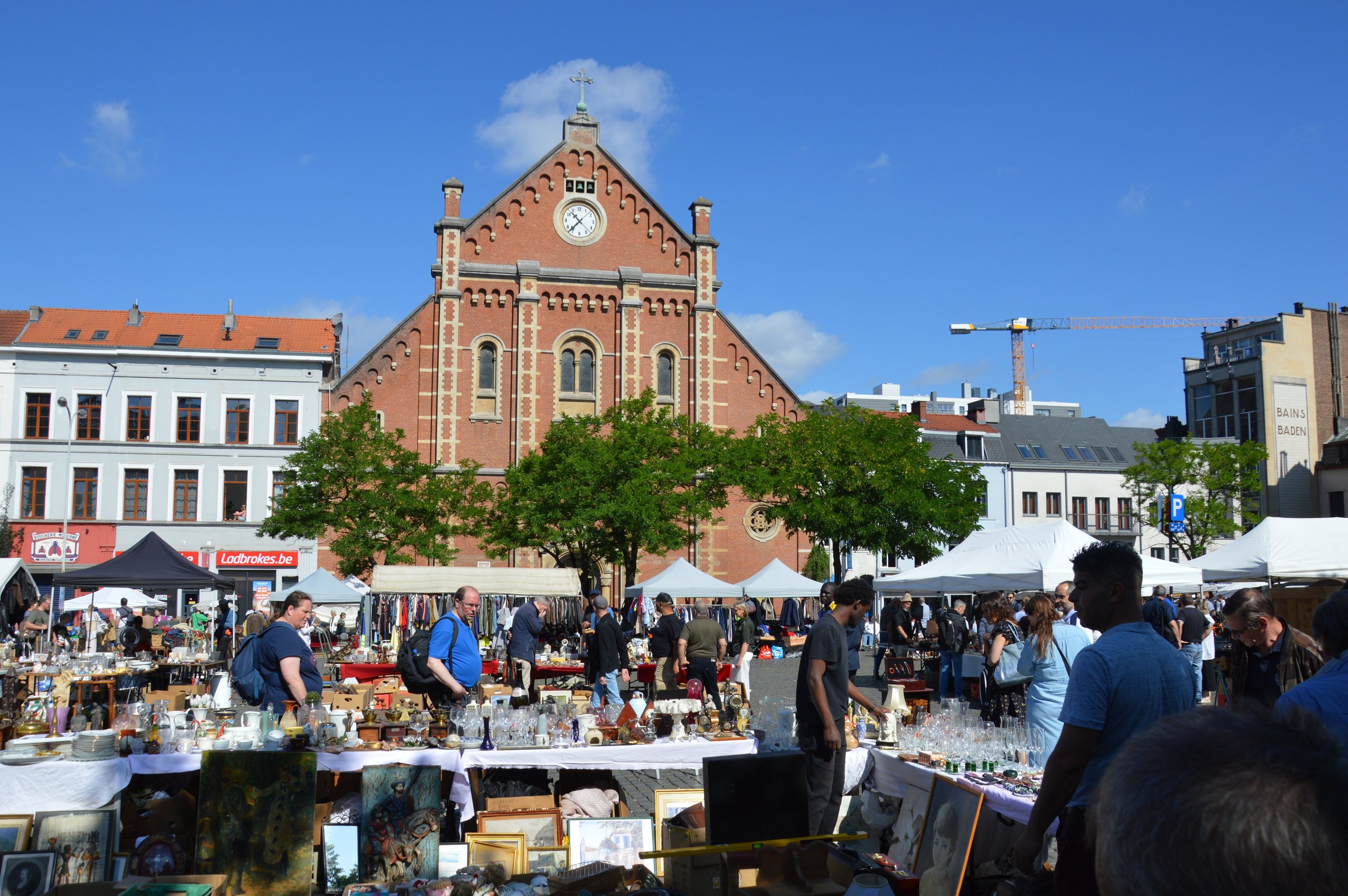
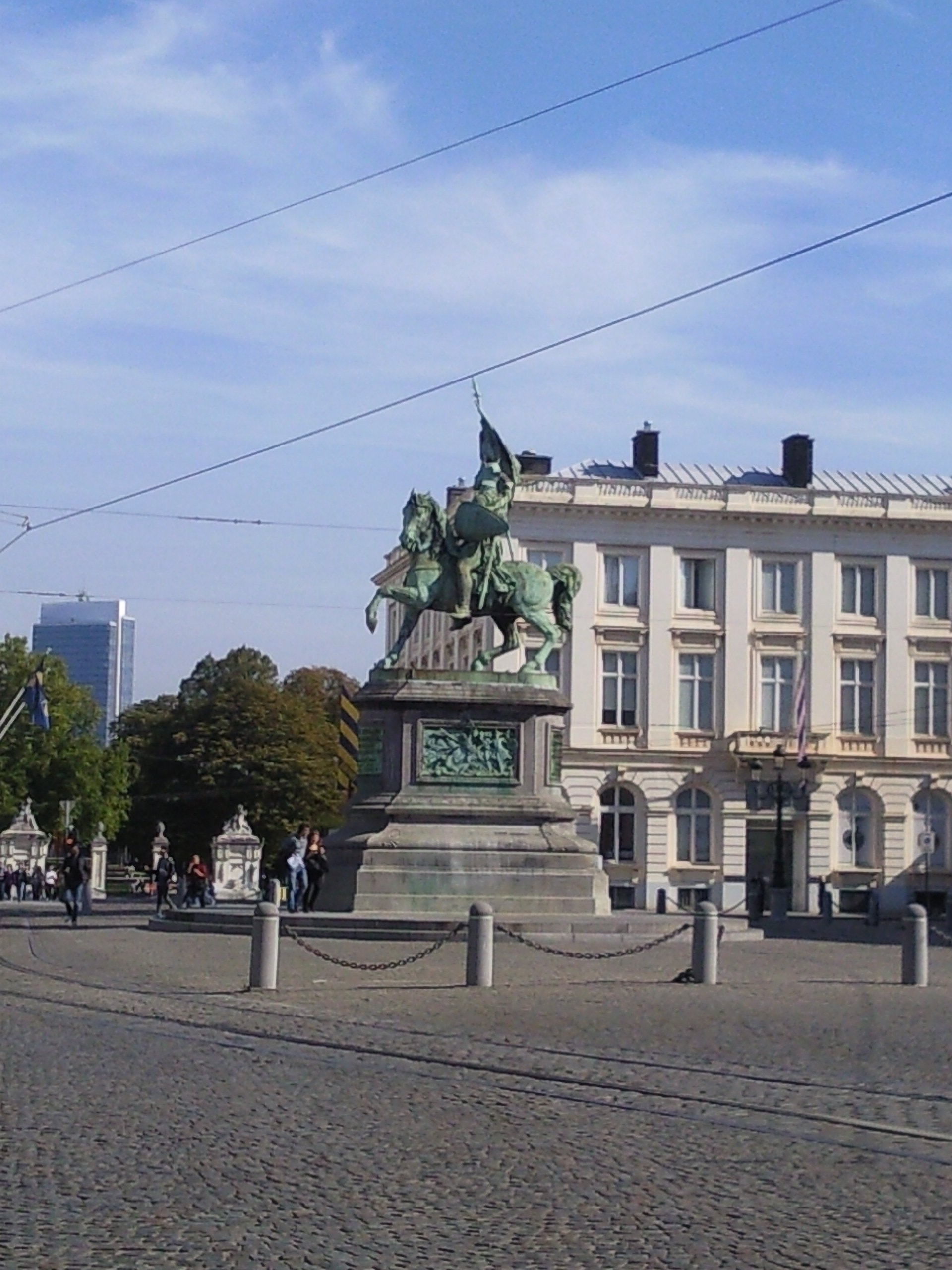
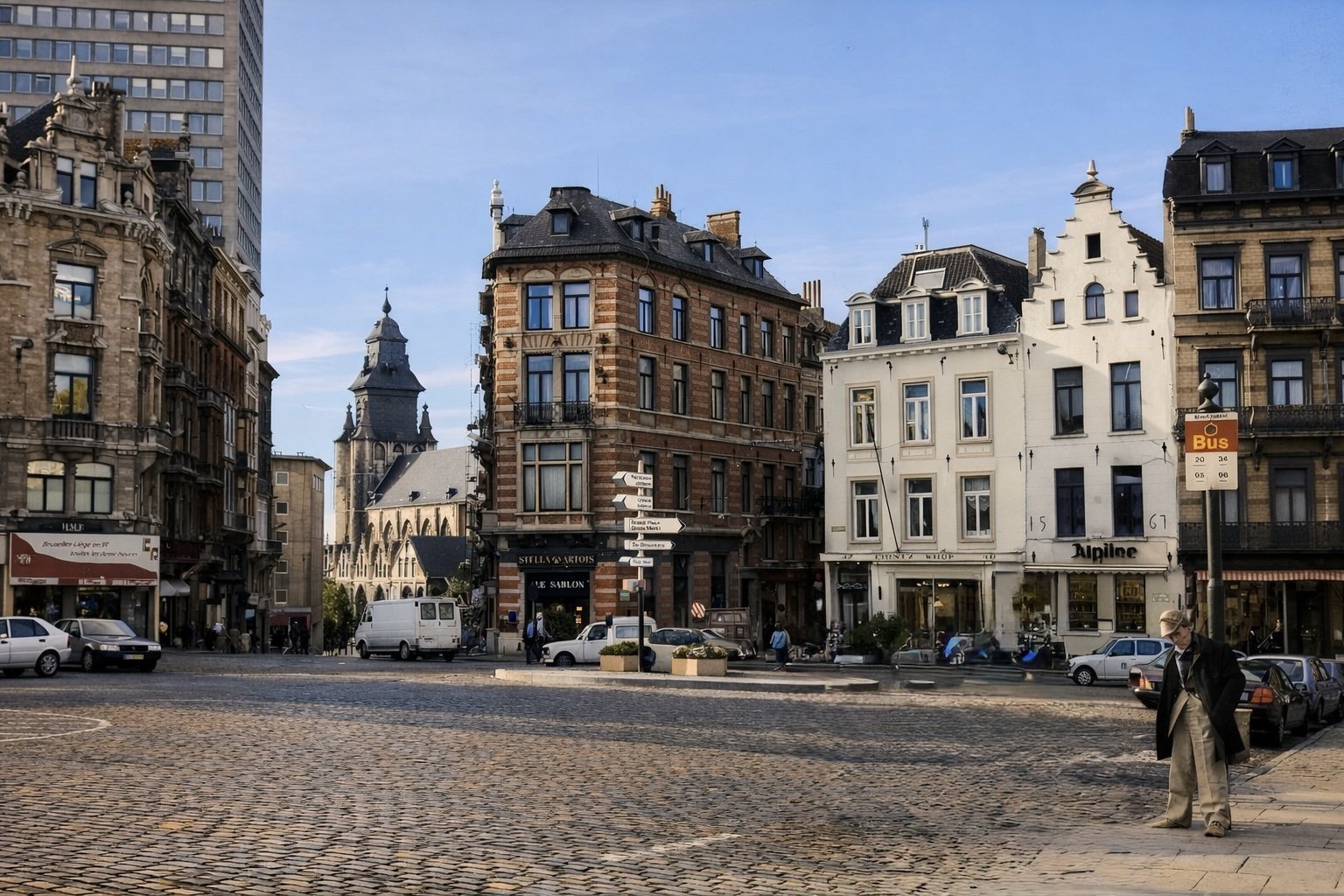
This second Brussels is what most visitors come for. The Grand-Place is one of the great squares in Europe, a UNESCO World Heritage Site of gilded guild houses and a Gothic town hall. Behind it winds a warren of medieval streets with Manneken Pis at the dead-end of one of them, and the beautiful glass-roofed Galeries Saint-Hubert opening off the main street. Uphill, the Royal District holds the Magritte Museum, the Musical Instruments Museum, the Royal Fine Arts, and the formal 18th-century city that the Habsburgs built. Downhill, the antiques district of Sablon and the scruffy, wonderful working-class Marolles are where Brussels is most itself. The Belgian Centre for Comic Strip Art north of the centre is worth a detour even if you don't know Tintin.
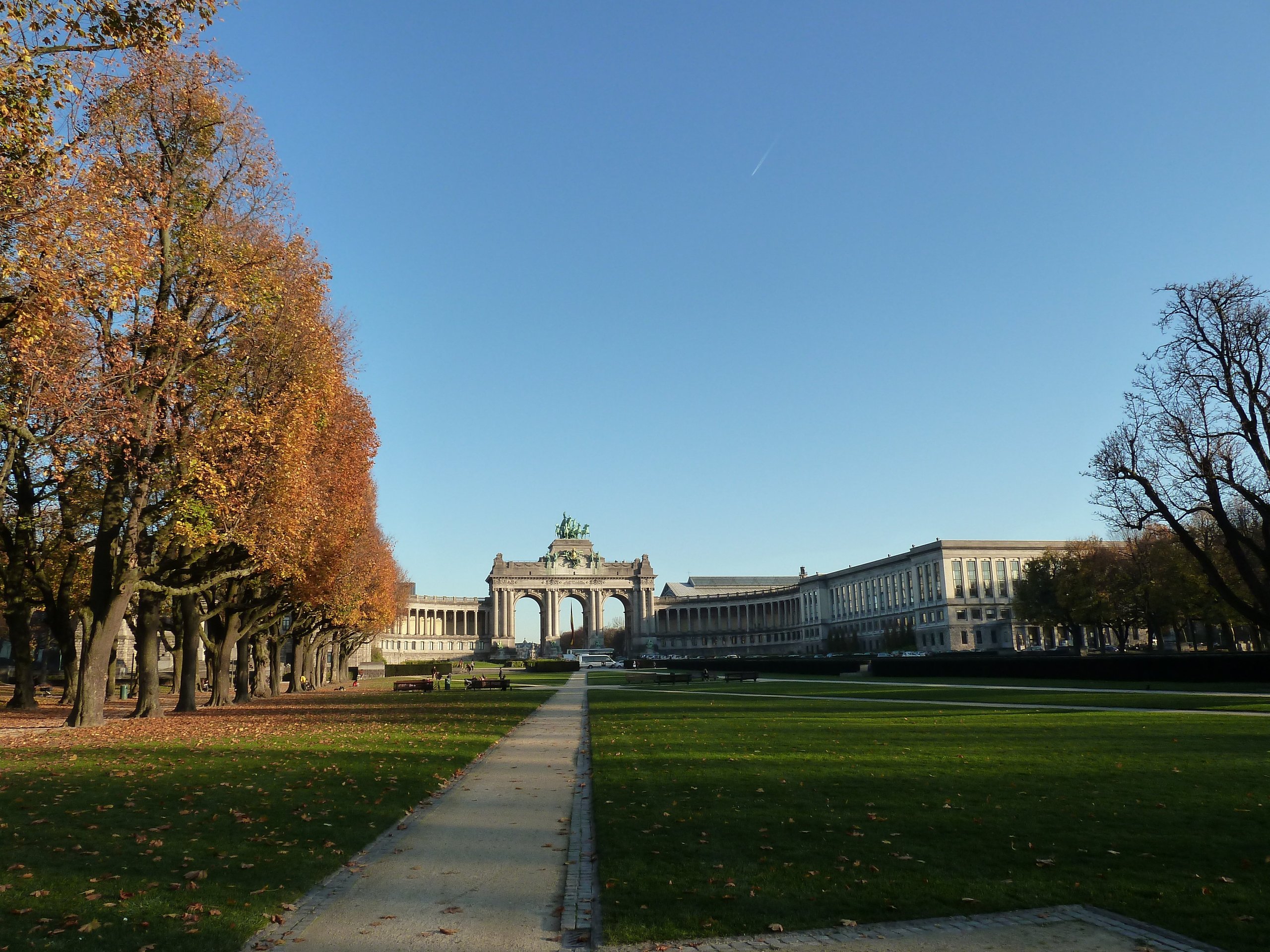
Brussels is also the world capital of Art Nouveau. Victor Horta's houses in Saint-Gilles and Ixelles, four of which are UNESCO-listed, are the set pieces, but the style is all over the city if you know what to look for — around Square Ambiorix, Avenue Louise, Place Brugmann. The Atomium further out is the great modernist monument, a 102-metre stainless steel rendering of an iron crystal left over from the 1958 World's Fair. Out east, the Parc du Cinquantenaire combines a triumphal arch with three major museums and is a good half-day from the centre.
The food is very good. Brussels rivals Paris for density of serious restaurants, and is the world capital of two things — beer and chocolate — and a strong claimant for fries and waffles. Eating here is cheaper and less formal than Paris, and the culture of drawing out drinks and snacks into a whole evening is part of the local rhythm.
A warning: Brussels has a reputation for street crime higher than most Western European capitals. The main stations (Midi/Zuid and Nord) and the arc of streets between them are genuinely sketchy after dark. Stick to the historic centre, Ixelles, Saint-Gilles, and the EU district at night, and watch your bag on the metro.
Two nights is the minimum; three or four is better, especially if a festival is on. Brussels is also well placed as a base for Bruges, Ghent, and Antwerp, all within an hour by train.