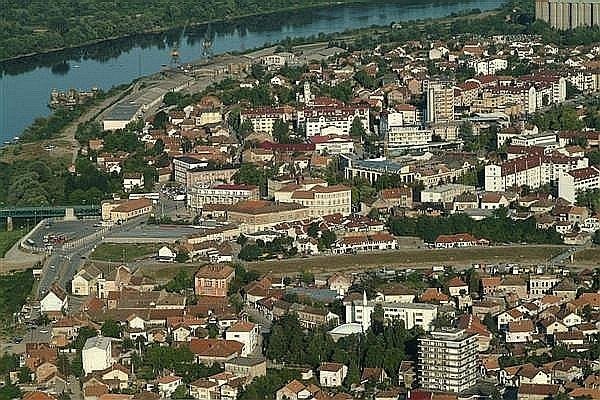
Brcko District is the third, and least known, entity of Bosnia and Herzegovina — distinct from both the Federation and Republika Srpska, and administered under a UN mandate since the Dayton Agreement couldn't resolve which entity it should belong to. The result is a quirky political status that has, unexpectedly, worked out rather well: the business climate is more transparent, politicians more accountable, and the mix of Bosniaks, Serbs, and Croats live and work together with less friction than in much of the country.
The district centres on the town of Brcko, a riverside city of about 50,000 on a bend in the Sava River — the northern border with Croatia. Walk across the bridge and you're in Croatia. The town is flat and the architecture reflects both the pre-war optimism of Tito's Yugoslavia and the damage and rebuilding of the 1990s.
The best way to spend an afternoon is along the Sava riverfront. Look for the small concrete house near the anchored rowboats where local fishermen gather to drink locally made brandy (slivovitz) and eat fish soup — try some if you have the stomach. The food scene runs to honest Bosnian staples: sarma (stuffed cabbage), roasted lamb, burek (meat pie), and above all ćevapi — minced meat in small links served with flatbread, raw onion, and sour cream. A café culture of extraordinary commitment means you can while away an afternoon watching the river and the slow pace of provincial Bosnian life. The Luka camp memorial near the port is a sobering reminder of the town's wartime experience in 1992.