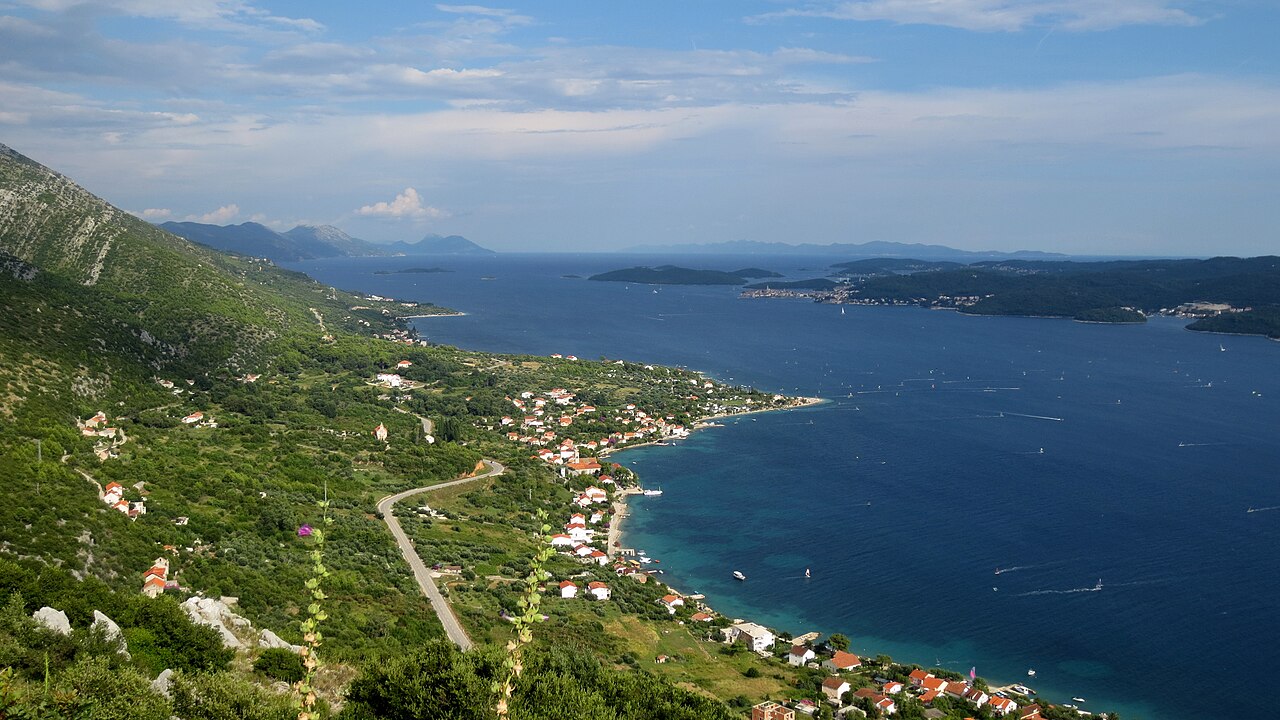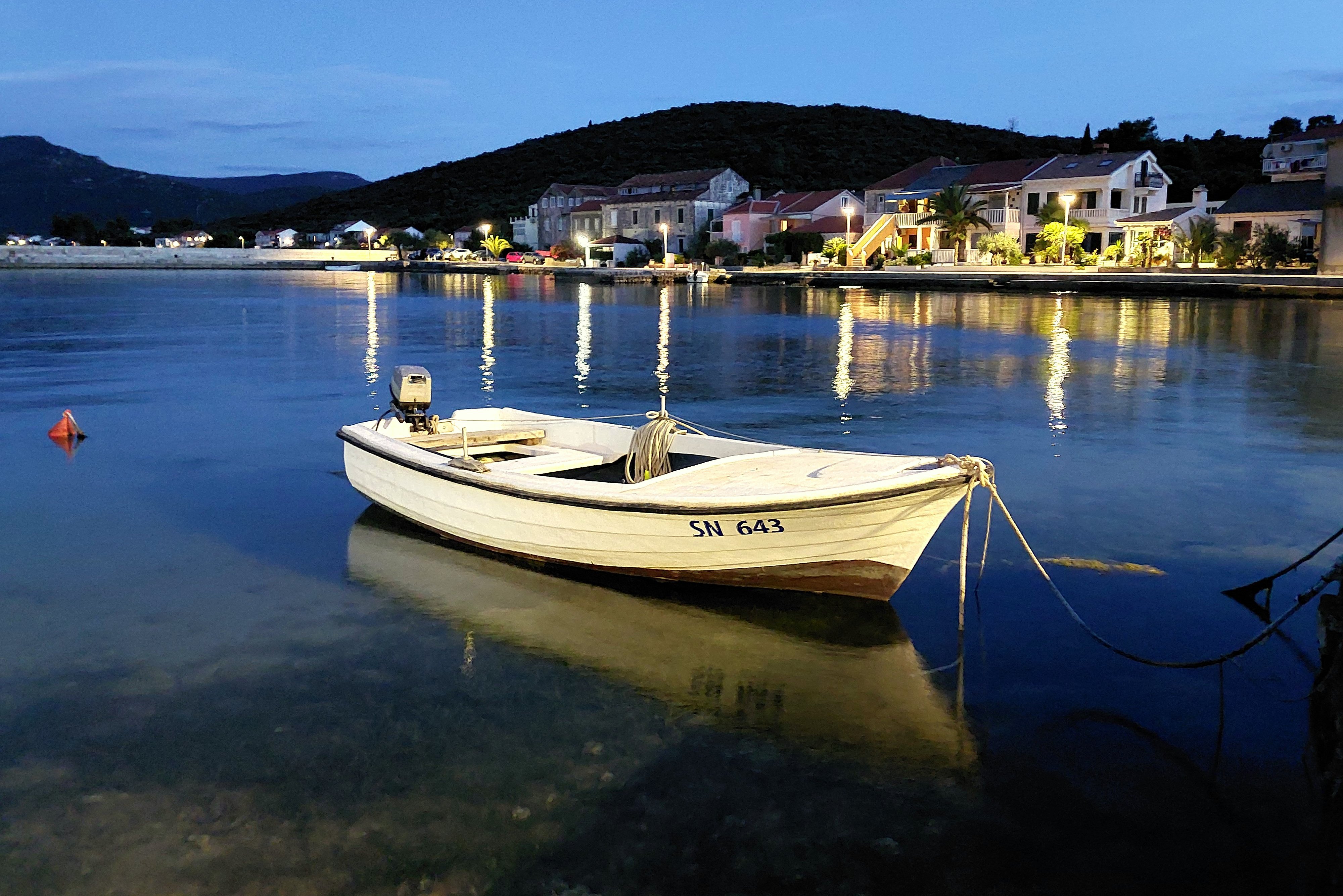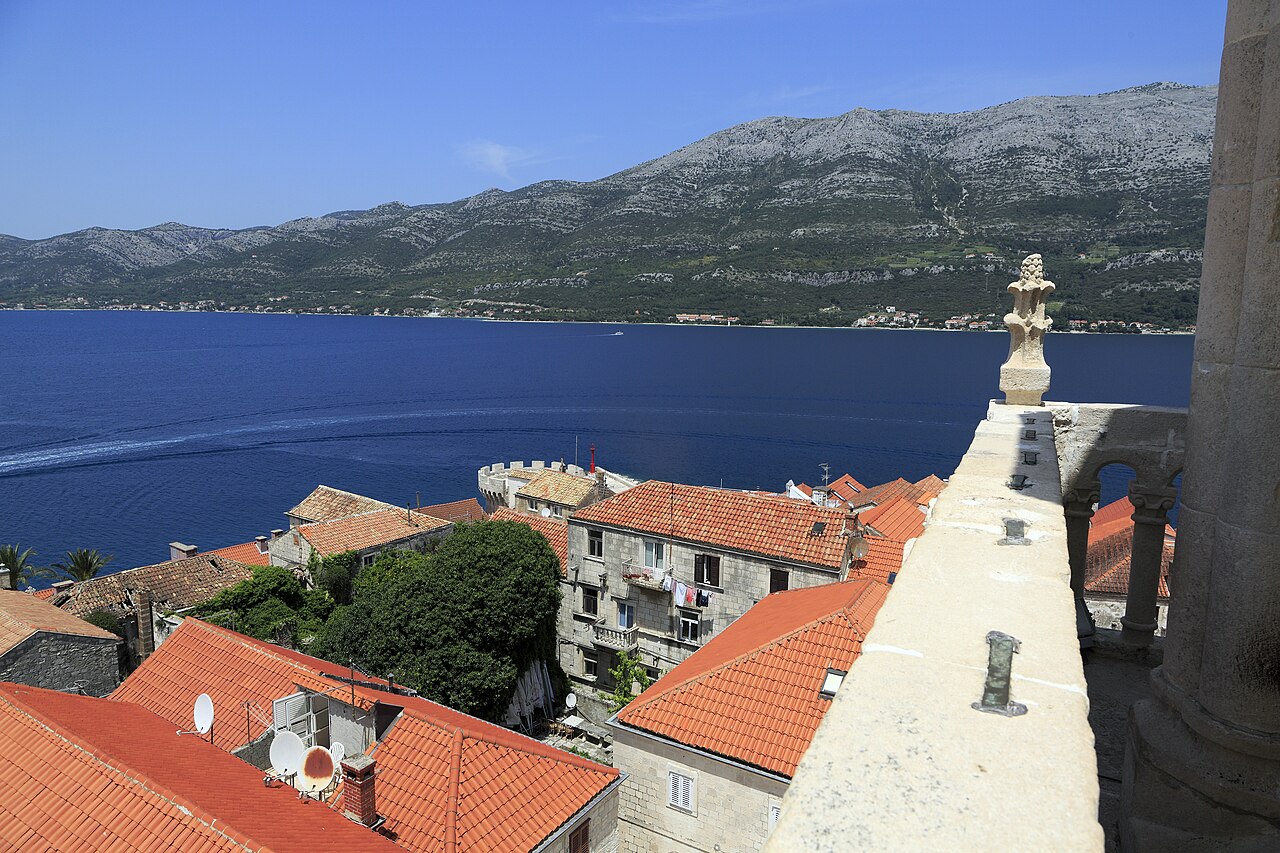
The Pelješac peninsula is the second largest in Croatia, stretching 85 kilometres along the south Dalmatian coast in immediate proximity to Dubrovnik. Although it is attached to the mainland — making it easy to reach — it has all the characteristics of a typical Dalmatian island: unspoiled nature, crystal-clear bays, and traditional stone villages where the pace of life has barely changed.
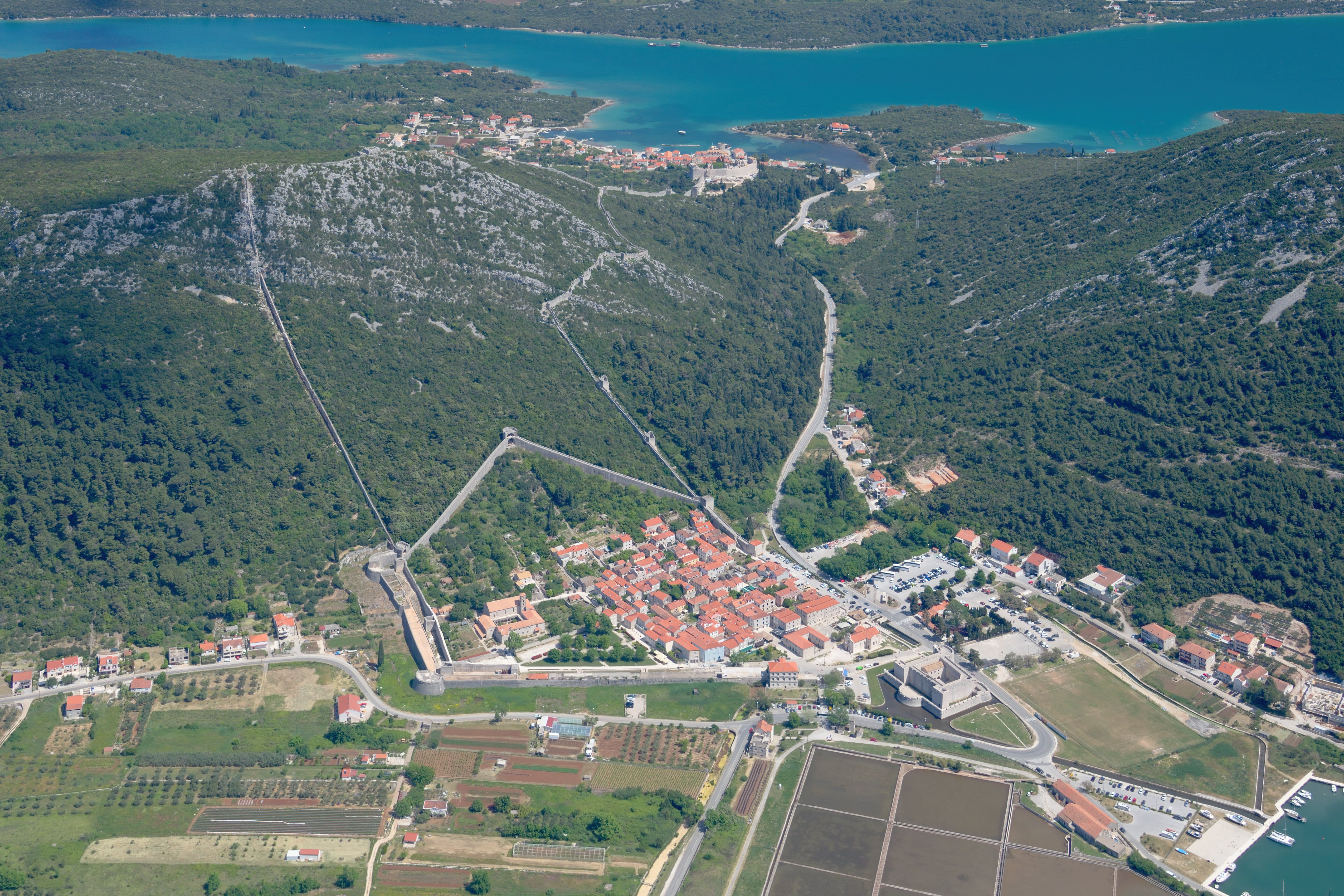
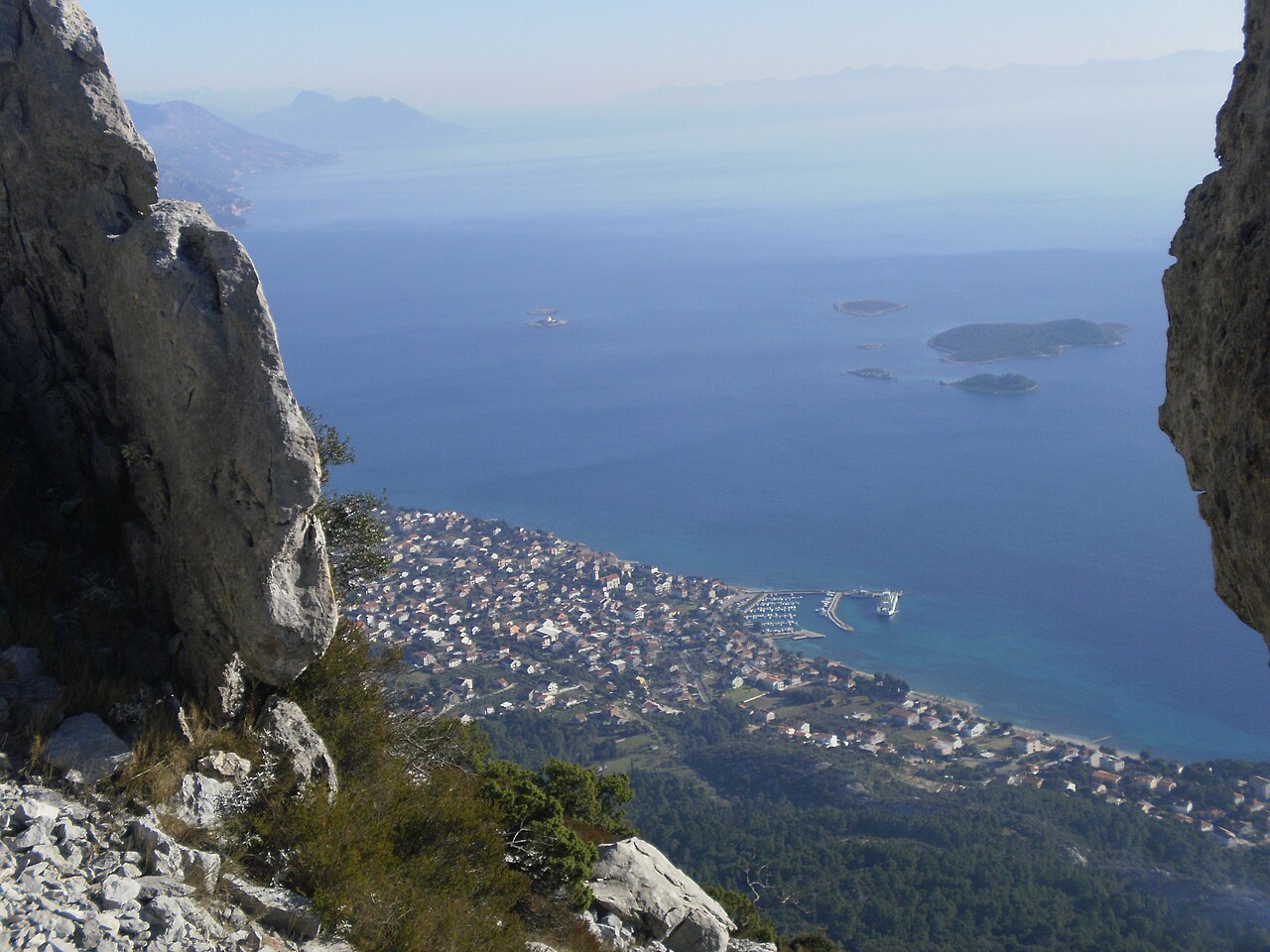
With a population of only about 8,000, Pelješac was commercially neglected for years, which turned out to be its greatest asset. The beaches are beautiful at any point along the peninsula, from quiet pebble coves to long stretches of sand. Orebić, the "town of captains," preserves a proud maritime tradition, while Viganj is one of the best windsurfing spots in this part of Europe. Further north, Drače and Trpanj are quieter still, and Ston, at the peninsula's base, has the second-longest medieval walls in the world and some of Croatia's best oysters.
But the real glory of Pelješac is its wine. The peninsula produces Dingač and Postup, Croatia's most celebrated reds, made from the Plavac Mali grape grown on steep, sun-baked slopes above the sea. Visiting a cellar and tasting these wines with local cheese and cured meat is reason enough to come.