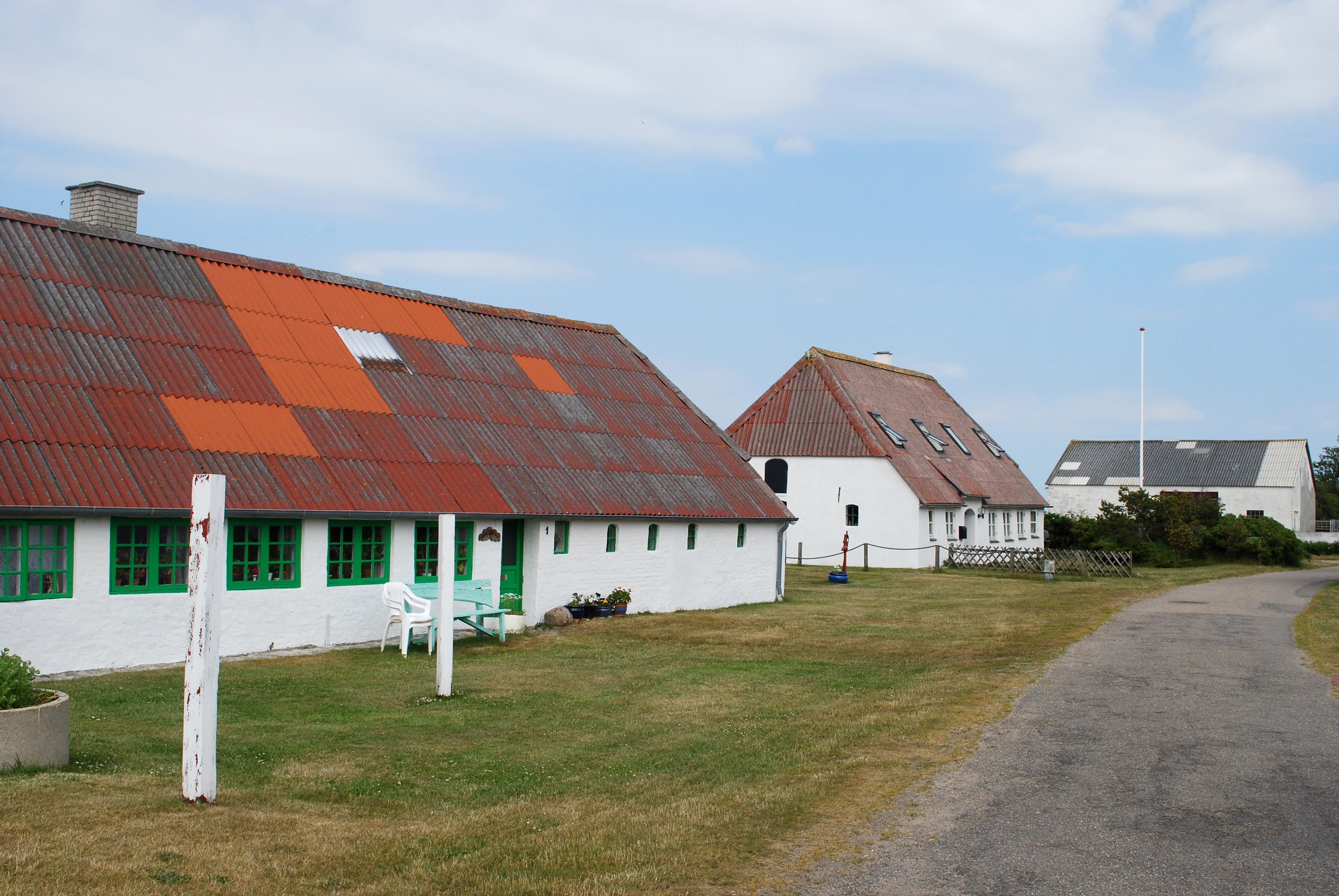
Mandø is a tiny island in the Danish Wadden Sea, near Ribe. It is probably Denmark's most peaceful island — and bears little resemblance to the busier holiday islands of the region. Mandø has been left almost untouched by tourism because at high tide there is no road connecting it to the mainland. You drive (or take the tractor bus across the tidal flats) on a route that floods twice a day.
The island is protected by a dyke stretching almost all the way around its 8km of coastline, with a single range of dunes at the highest point shielding the village from the sea to the west. The first mention of Mandø dates from 1231, when it was owned by the king. In 1741 the islanders bought it at auction. Shipping was once the main occupation for the men while the women managed the farms. In 1890 the population was 262; today it is around 40.
Birdwatching on the tidal flats is the island's main draw — the Wadden Sea is a UNESCO World Heritage Site and one of the most important staging posts on the East Atlantic Flyway, with tens of millions of migratory birds passing through each year. Mandø Church, dating from 1639, sits on the island's highest dune and overlooks a graveyard full of sea captains' headstones. Mandø is also Denmark's first designated Dark Sky Park, making it an increasingly popular destination for stargazers in the low season. There are no shops or restaurants — bring what you need.