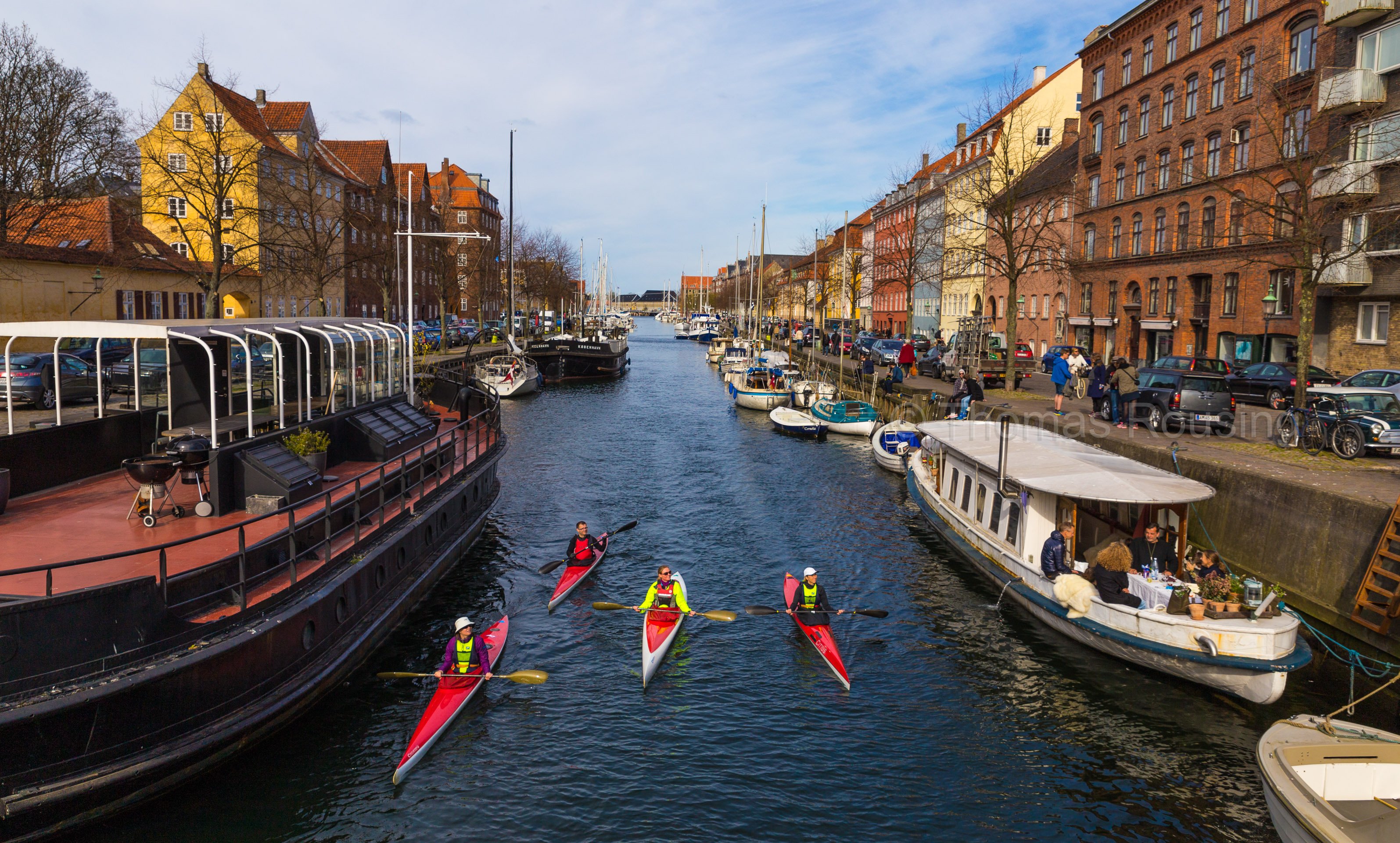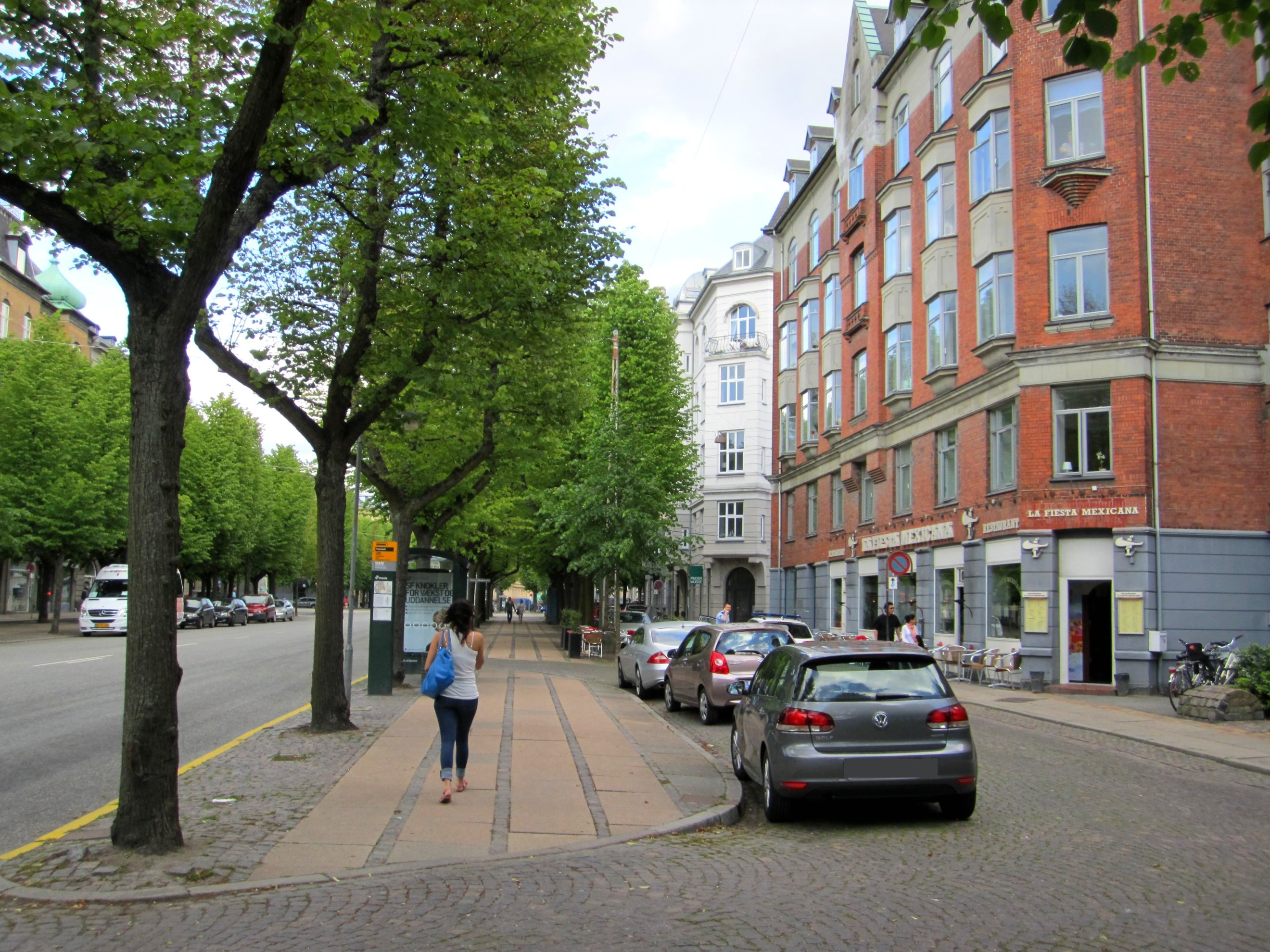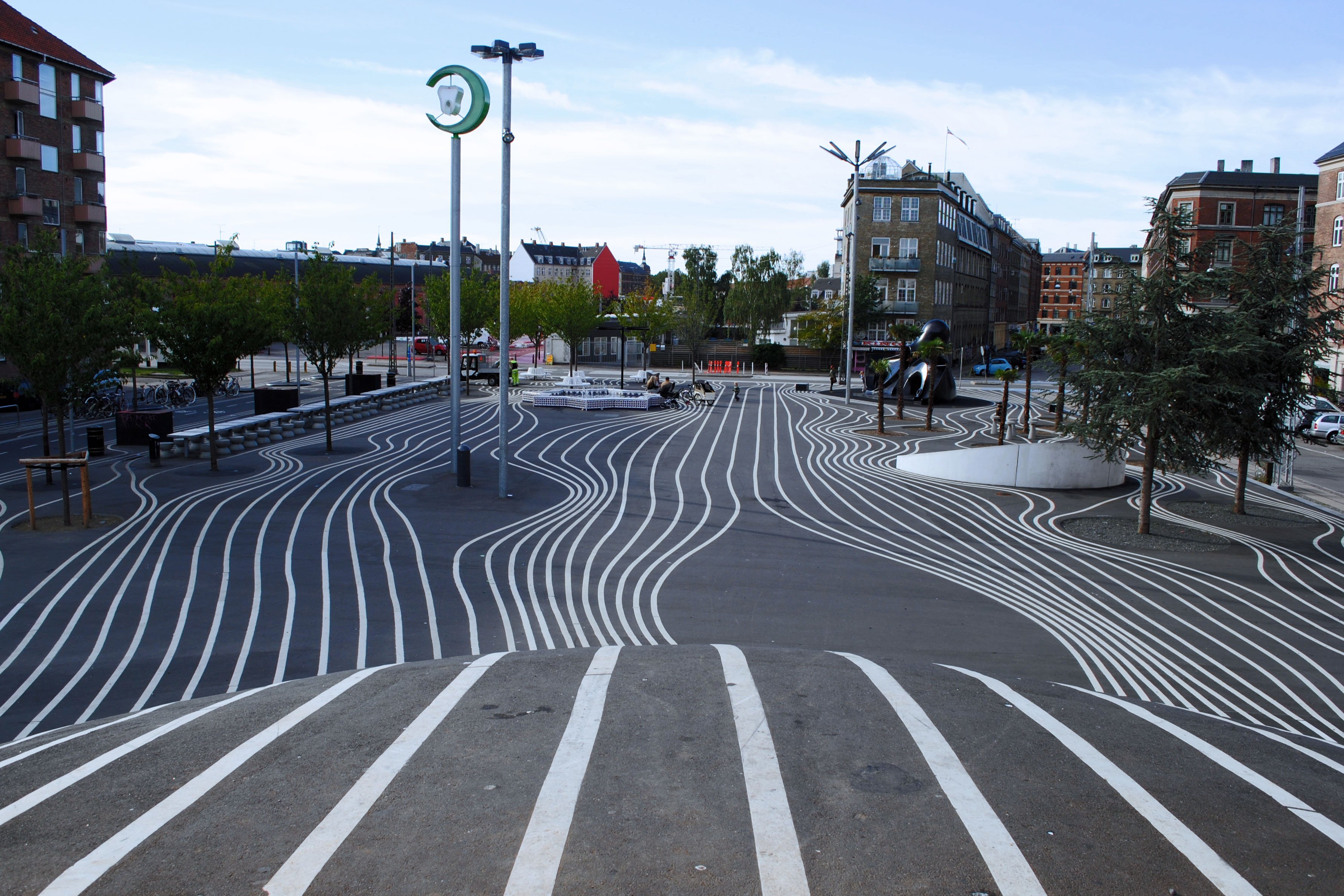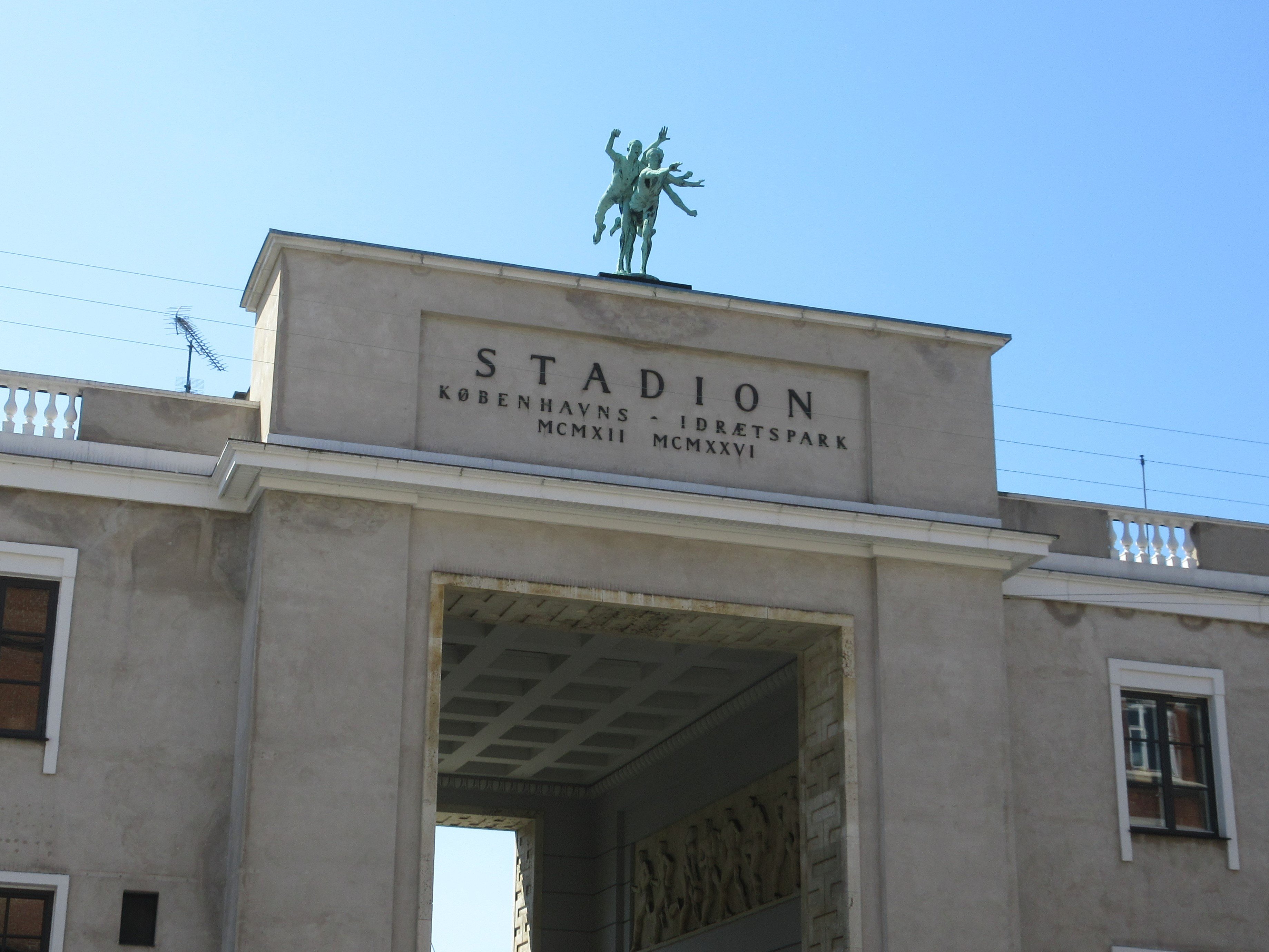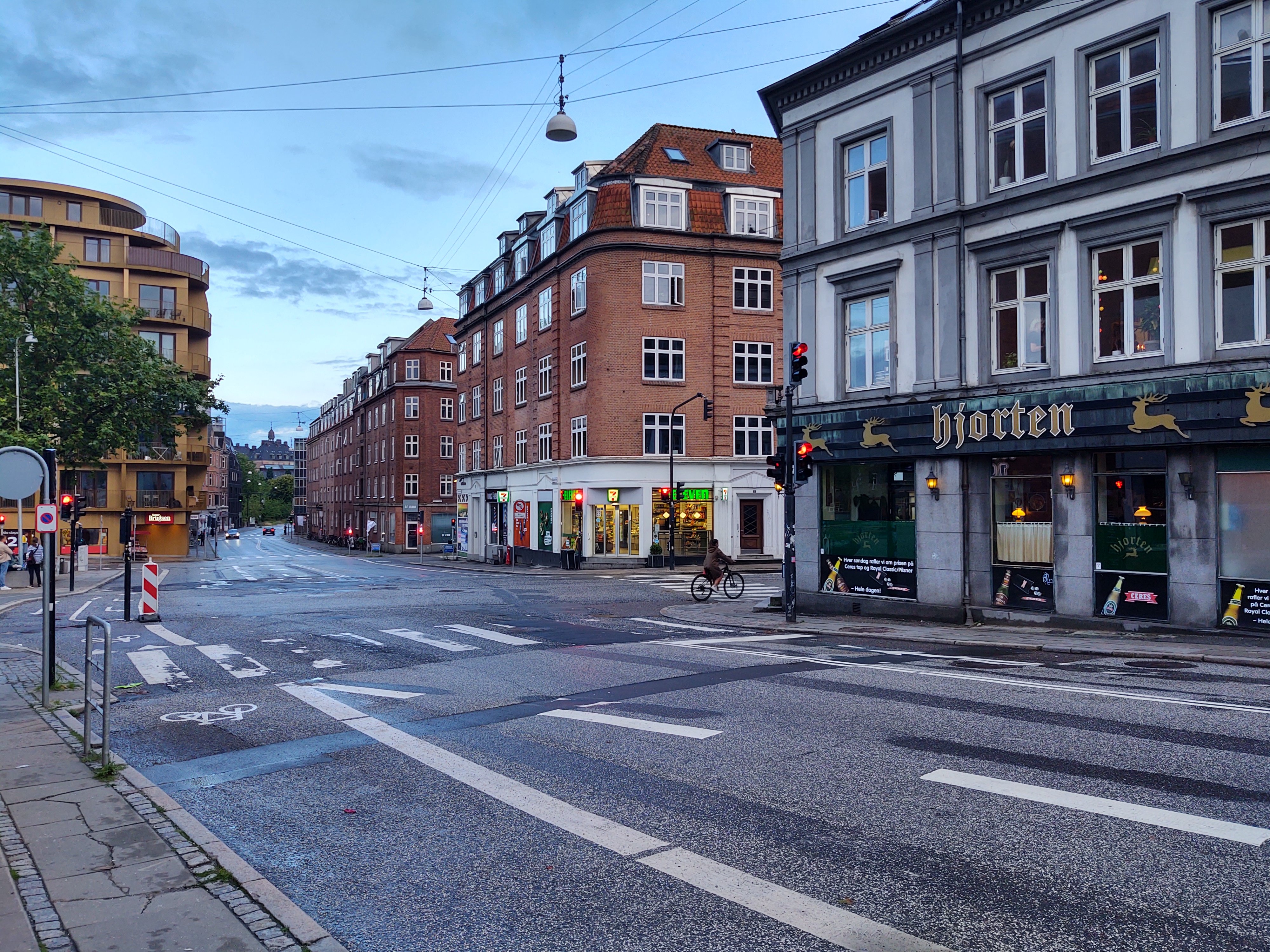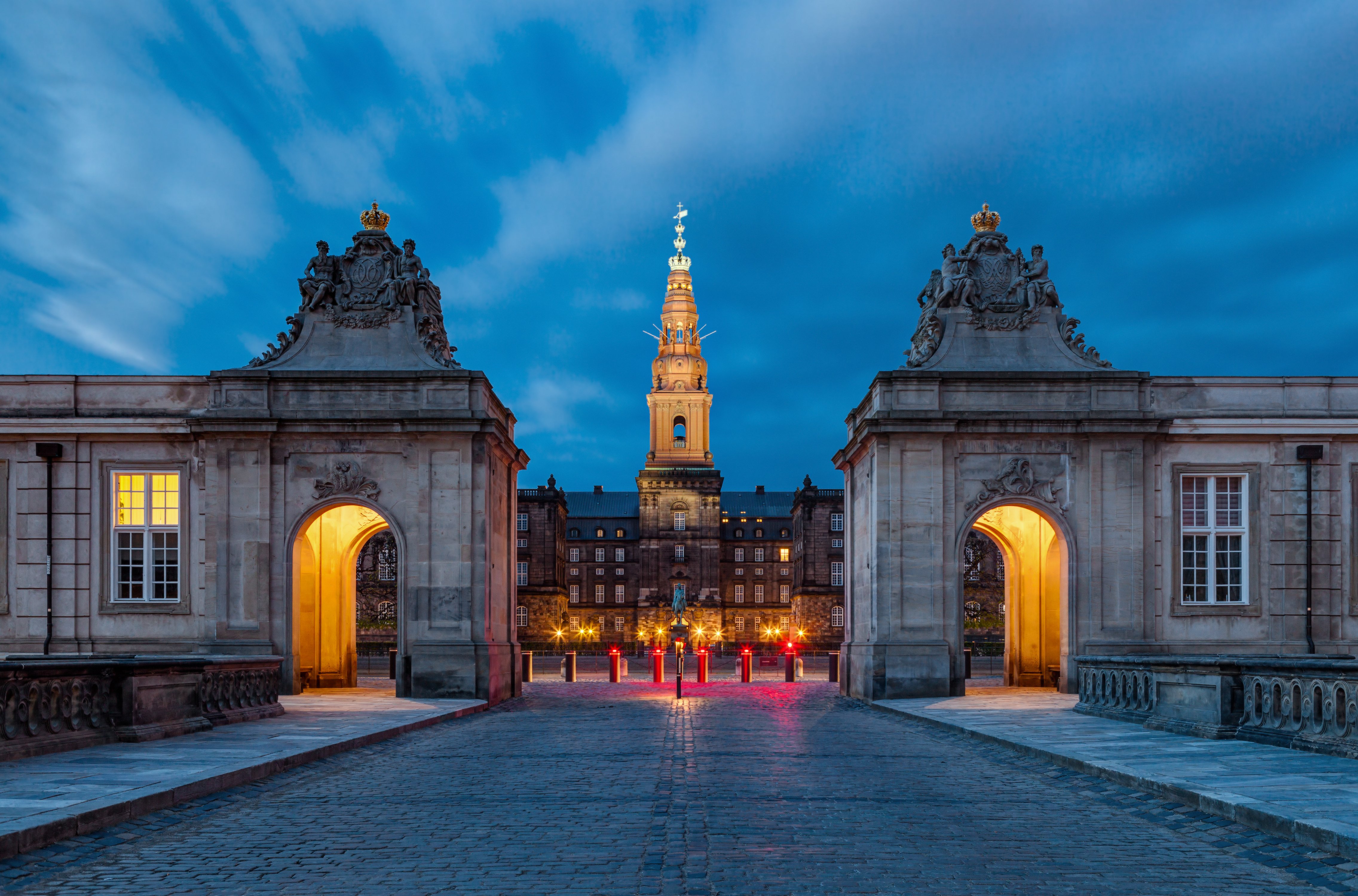
Copenhagen began as a tiny fishing village called Havn in the 12th century. Bishop Absalon of Roskilde fortified it, traders followed, and by 1417 it was the capital of Denmark. Today it is one of Europe's most livable cities, a place where old royal palaces sit comfortably alongside bold modern architecture, and where nearly half the population commutes by bicycle.
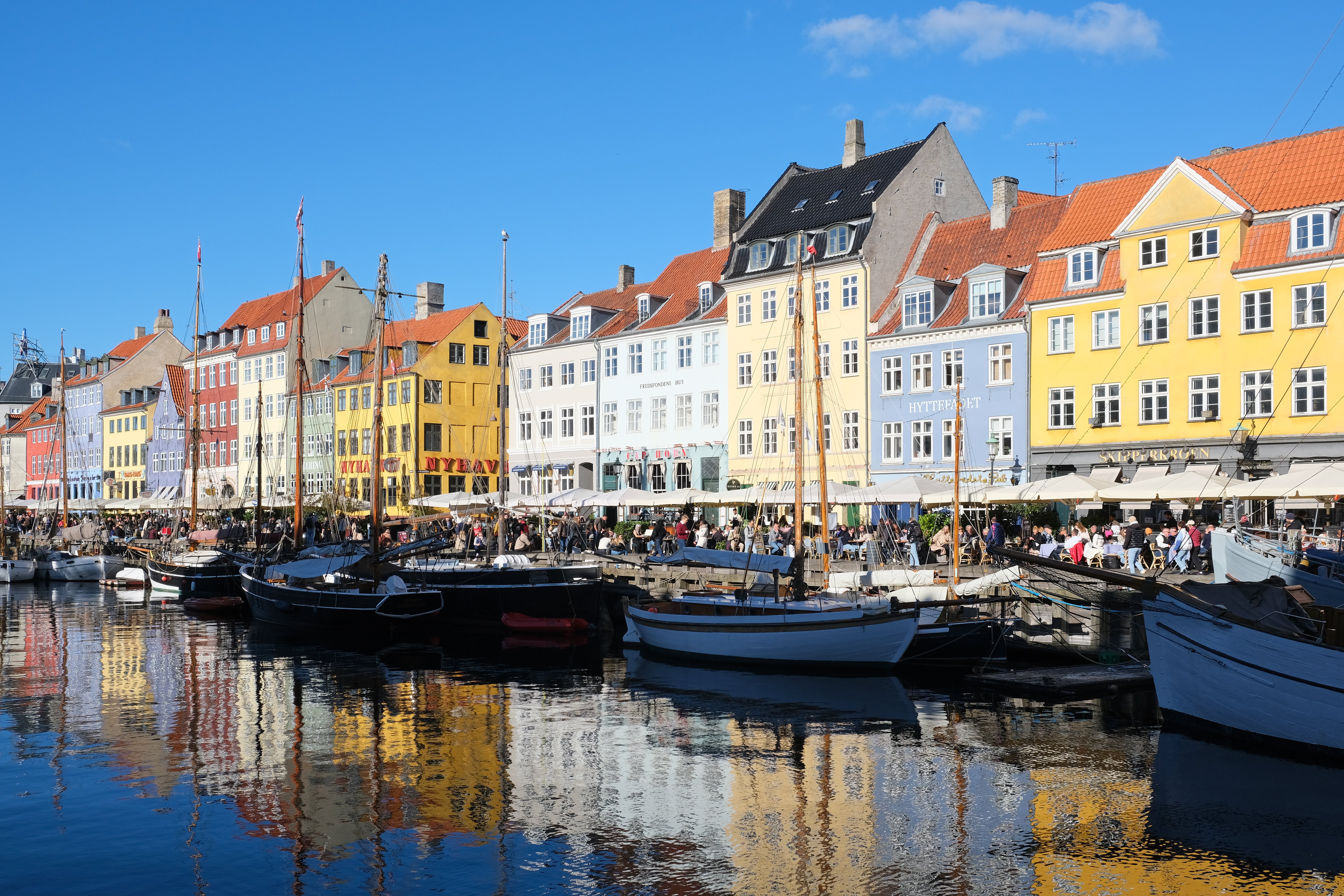
The city's heart is its medieval core, where the pedestrian street Strøget connects busy squares and the colourful townhouses of Nyhavn line the old harbour. Across the water lies Christianshavn, home to the free-spirited commune of Christiania. North of the centre, the royal residence at Amalienborg and the parks around Rosenborg Castle give the city its regal side, while the waterfront Black Diamond library is one of the finest modern buildings in Scandinavia.
Copenhagen punches well above its weight in art and culture. The Nationalmuseet covers 10,000 years of Danish history, the Ny Carlsberg Glyptotek holds one of the world's great Rodin collections, and a short train ride north brings you to Louisiana, arguably the best modern art museum in Europe. The city's food scene runs from classic smørrebrød to some of the world's most inventive restaurants, and its bars range from cosy basement jazz joints to loud clubs that don't get going until midnight.
It is an expensive city, there is no getting around that. But the best things here are often free: walking along the harbourfront, cycling through the parks, watching the changing of the guard at Amalienborg, or just sitting in Nyhavn with a beer and the late northern sun on your face. Tivoli Gardens, just behind the central station, is also open most evenings and is genuinely wonderful.