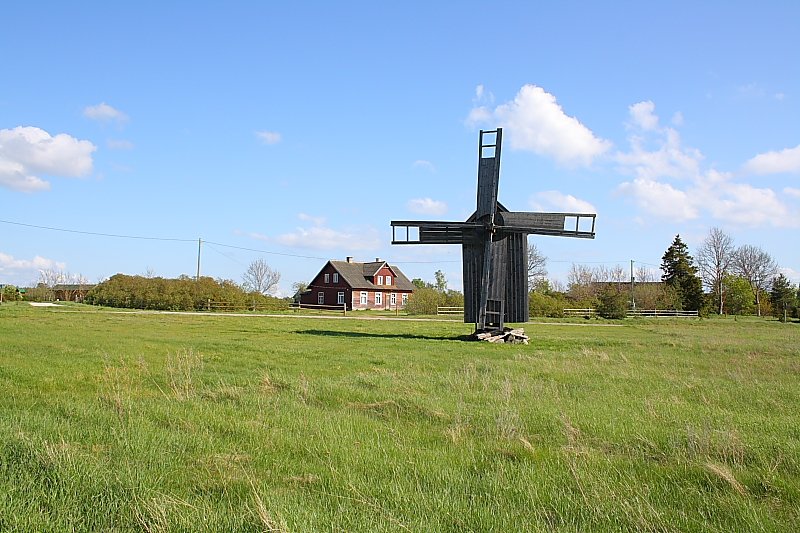
Vormsi is Estonia's fourth-largest island and one of its least visited. For centuries it was home to a community of Estonian Swedes — at its peak around 2,500 people — who were evacuated to Sweden in 1944. The Soviet military closed the island to civilians for decades, and when independence came in 1991, fewer than a hundred people lived here.
That emptiness is the appeal. Vormsi is flat, forested, and quiet. The main sight is the medieval St. Olaf's church at Hullo, where the graveyard is filled with stone wheel crosses unique to the island's Swedish community. The rest is walking, cycling and birdwatching — the Rumpo peninsula and the rest of the landscape reserve are an important stopover for migratory birds, and the cast-iron Saxby Lighthouse marks the lonely western tip.
You can reach Vormsi by ferry from Rohuküla on the mainland, near Haapsalu. The crossing takes about forty-five minutes. There are no shops or restaurants beyond the harbour, so bring what you need.