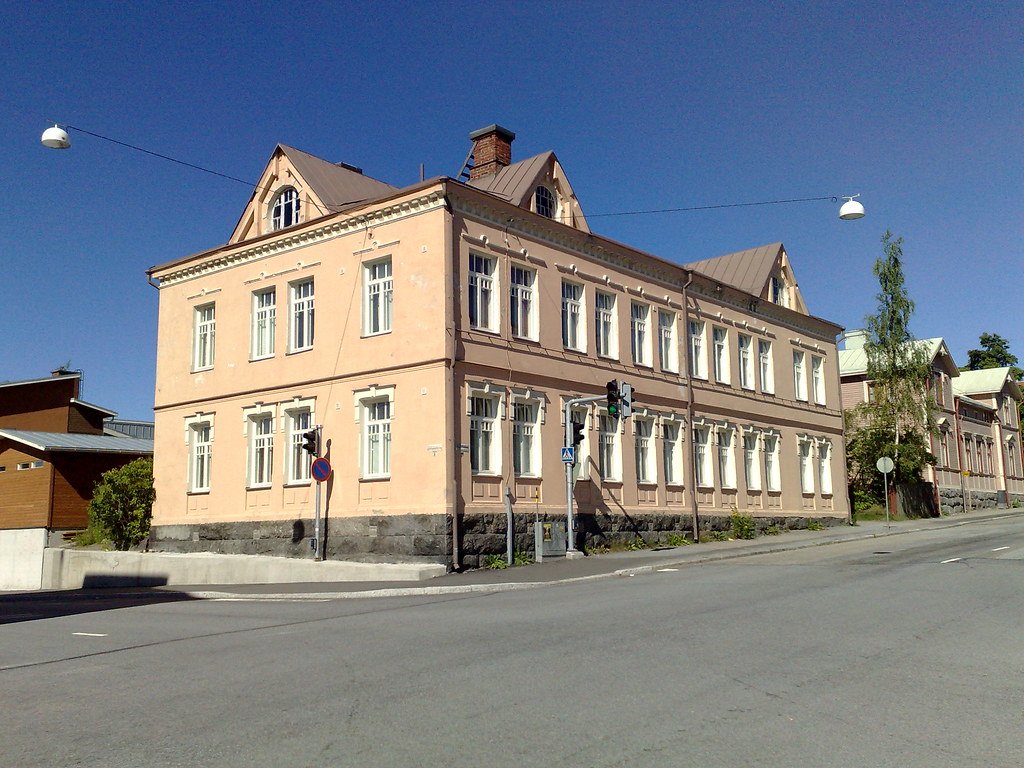
Vaasa is a mid-sized coastal city on Finland's west coast, facing the Gulf of Bothnia across narrow straits toward Sweden. It is a bilingual city — Finnish and Swedish — and the Swedish-speaking community has a strong presence here, giving the city a slightly different character from the inland Finnish towns.
The city standing today is not the original Vaasa. A catastrophic fire in 1852 destroyed nearly all of the old wooden town. Rather than rebuild on the same ground, the authorities moved the city a few kilometres to its current site and commissioned architect Carl Axel Setterberg to design it from scratch. He took the fire lesson to heart: the new Vaasa has wide avenues and a spacious grid plan that allow a city to breathe — and, if needed, burn more slowly. The ruins of the old town's belfry and town hall still survive at the former site of Vanha Vaasa and are worth a short detour.
Vaasa has an outsized number of museums for a city its size — eleven in total — clustered around the city centre and the harbour. The Ostrobothnian Museum is the main regional history museum. The Terranova natural history museum and the astronomy centre Tietomaa are popular with families. In summer the harbour comes alive, and the amusement park Wasalandia adds a fairground energy to the seafront.
In 1918, during the Finnish Civil War, Vaasa briefly served as the capital of the White Finland government. The city's wartime role is still a topic of local memory and features in several of the museums.