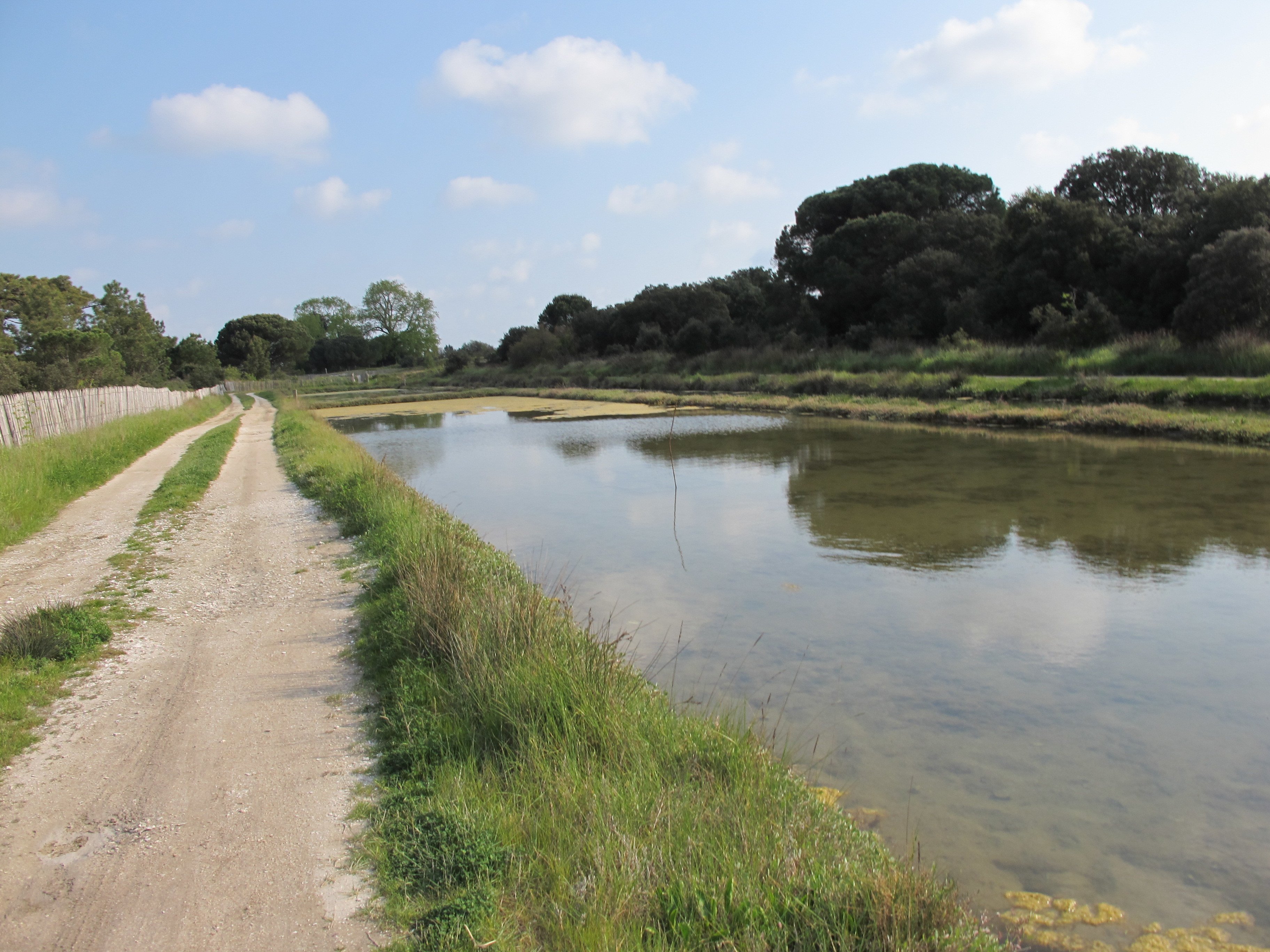
Atlantic French island of dunes, oyster beds, surf beaches, and fishing ports linked by bridge to Charente.
The Ile d'Oleron is the largest French island on the Atlantic coast, connected to the mainland by a toll-free bridge. It is enormously popular with French holidaymakers in summer but still largely unknown to international visitors — which is part of its charm.
The island runs about 30 km north to south and is remarkably varied. The western coast has long sandy beaches backed by dunes, with good surf. The eastern side faces the sheltered waters between the island and the mainland, where oyster beds stretch out at low tide — Oléron oysters are considered among France's finest, and you can buy them straight from the producers at the port of La Cayenne. The working fishing port of La Cotinière on the western shore has the island's best morning fish market.
The main town, Saint-Pierre-d'Oléron, has a lively market and a striking Romanesque lantern of the dead in the cemetery. The northern tip of the island is dominated by the Phare de Chassiron, with panoramic views over the Atlantic. Fort Boyard, the famous sea fortress, sits just offshore to the east and is visible from Boyardville harbour, where boat tours depart to circle it in summer.
Cycling is the best way to get around — the island has an excellent network of bike paths through pine forests and along the shore.
Guide
Getting Around
By bike: The island has an excellent network of dedicated cycle paths — over 140 km of marked routes connecting all the main villages, beaches, and ports. This is genuinely the best way to explore Île d'Oléron, and bike rental shops are plentiful throughout the island in summer. The terrain is flat, making cycling accessible for all fitness levels.
By car: Roads are adequate but summer traffic can be heavy, especially around Saint-Pierre and the bridge access. Parking at popular beaches fills by mid-morning in July and August. On summer weekends, cycling or walking is genuinely faster than driving for many trips.
A seasonal bus network (Olébus) connects the main villages, but frequencies are low outside summer.
Guide
Getting There
Île d'Oléron is connected to the mainland by the Viaduc d'Oléron, a 3-km toll-free bridge from the village of Bourcefranc-le-Chapus near Rochefort. The island is about 175 km north of Bordeaux and 200 km southwest of Nantes by road — allow roughly 2 hours from Bordeaux.
There is no rail connection to the island. The nearest SNCF stations are Rochefort and Saintes, both served from Bordeaux and La Rochelle. From Rochefort, buses run to the island. Most visitors arriving by public transport take a bus from La Rochelle or Rochefort.
By ferry: A seasonal ferry service connects Boyardville to Fort-des-Barres on the Île d'Aix from roughly April through October — a pleasant short crossing for those combining a visit to both islands.