Uzès
©
Uzès

Uzès

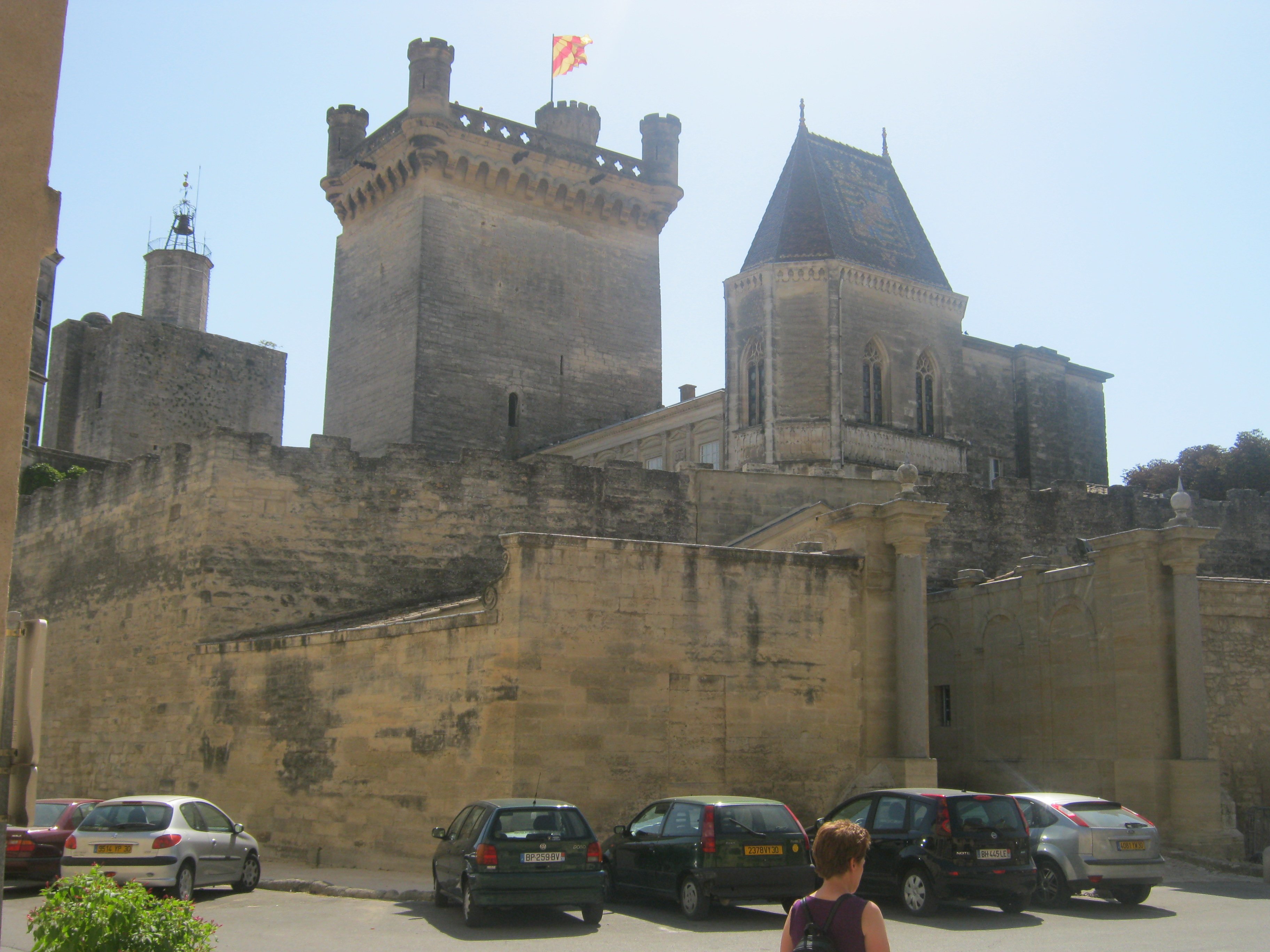
Restored Gard town north of Nîmes, with medieval lanes, Renaissance squares, and the ducal residence.

Uzès is a small and exceptionally beautiful town in the Gard department, about 25 kilometres north of Nîmes. It was designated a Ville d'Art et d'Histoire in 1962, and its medieval and Renaissance centre has been beautifully restored — a maze of narrow lanes, stone arcades, and small squares that feels like stepping into a Provençal painting.

The town is dominated by the Duché, the residence of the Dukes of Uzès, which has been continuously inhabited since the 11th century. The Tour Fenestrelle, a round Romanesque bell tower unique in France, rises next to the former cathedral. The Place aux Herbes, a lovely arcaded square, hosts a bustling Saturday market with local produce, olives, and lavender.

Uzès sits at the source end of the Pont du Gard aqueduct — the Romans built the famous bridge to carry water from here to Nîmes, and the aqueduct ruins can be traced on walks through the surrounding garrigue. The countryside around the town is classic southern French landscape: limestone hills, vineyards, olive groves, and lavender fields. The Musée du Bonbon Haribo, on the edge of town, is unexpectedly entertaining.

Guide

Getting There

By car

The easiest way. Uzès is 25km north of Nîmes via the D979, a straightforward 30-minute drive. From Avignon it is about 45 minutes east on the D981. Parking in town is tight in summer; there are pay car parks at the edge of the old centre.

By bus

Edgard Transport runs regular buses between Nîmes and Uzès (line C17), with the journey taking around 40–50 minutes. Buses run throughout the day on weekdays, with reduced frequency on weekends and public holidays. The Nîmes bus and train stations are adjacent, making the connection straightforward if you are arriving by rail from elsewhere in France. Check edgard.transports.gard.fr for current timetables.

By train

There is no railway station in Uzès — the line was closed decades ago and is not coming back. The nearest mainline station is Nîmes, which has frequent TGV connections to Paris (about 2h 45min), Lyon (1h 10min), and Marseille (30min). From Nîmes, take the bus as above.

Guide

When to Go

April–June is the best time. Temperatures are pleasant (18–26°C), the garrigue is fragrant with rosemary and thyme in flower, and the Saturday market is running in full spring form. Late May and early June bring the lavender into early bloom in the fields to the north and east of town — not yet at peak, but the colour is already dramatic.

July is busy and warm (often 30°C or above), and the town fills with French summer visitors. The Saturday market is at its most lively, and Uzès hosts several festivals, including music and theatre events under the Duché walls. It is worth experiencing once, but expect the Place aux Herbes to be packed by mid-morning.

August is best avoided if you dislike crowds and heat. The town is at its busiest and hottest, parking in the surrounding countryside becomes a project, and prices at restaurants and accommodation climb accordingly. If you must go in August, arrive before 9am on market day and plan a long midday retreat indoors.

September–October are nearly as good as spring. The summer visitors have gone, the light turns golden, and the garrigue takes on a dry, aromatic warmth. Harvest season means local markets have walnuts, wild mushrooms, and the new season's olives. This is when the town feels most like itself.

November–March is quiet and cool. Some restaurants and shops reduce hours, and the weekend market is smaller, but the Duché and cathedral are still open and essentially crowd-free. Not an obvious winter destination, but cheap and peaceful.

ardeche