Oranienburg sits on the Havel river about 35 kilometres north of Berlin, close enough to reach easily by S-Bahn or regional train, yet it carries a historical weight that makes it unlike any ordinary day trip. The town is best known outside Germany as the site of Sachsenhausen concentration camp, one of the first and most significant Nazi camps, opened here in 1936 and used until the end of the war. A visit is sobering and important; it draws nearly half a million visitors a year, and rightly so.
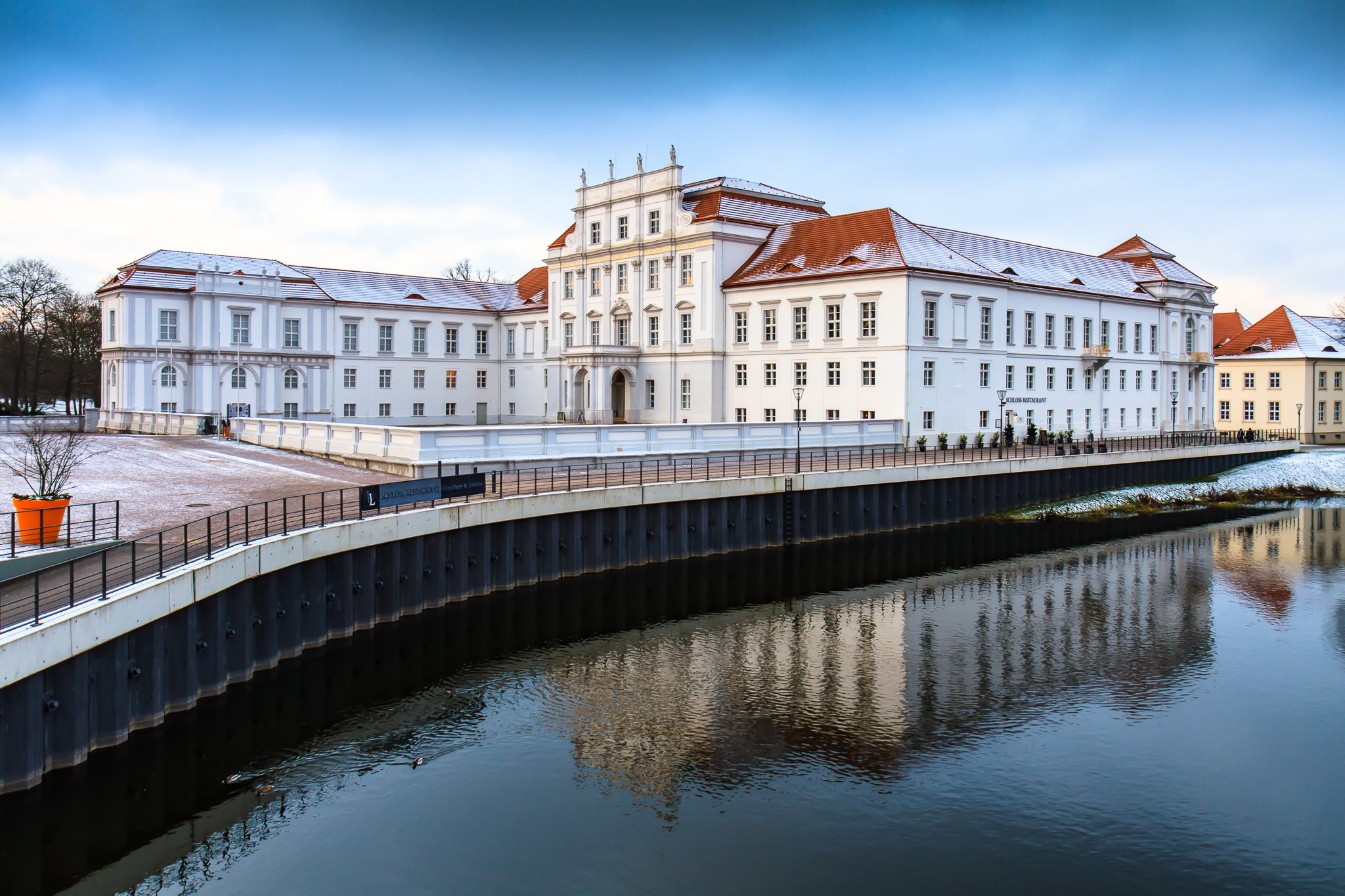
But Oranienburg has layers beyond the camp. The Oranienburg Palace predates the Nazi period by several centuries — it was built in the 1650s for Louise Henriette of Orange, the wife of the Brandenburg Elector, and is one of the earliest Baroque palaces in the region. The nearby Schlosspark provides a pleasant green walk along the river. The town itself is quiet and workmanlike, with few tourists who are not there for the memorial site.
The second dark chapter in Oranienburg's history is less well known outside Germany: after the Nazi camp was liberated, the Soviets immediately converted the same site into NKVD Special Camp Nr. 7, where tens of thousands of political prisoners — Germans, including both former Nazis and innocent bystanders — were held until 1950. Many died of hunger and disease. The Museum Sowjetisches Speziallager documents this period on the grounds of the former camp. Together with the Sachsenhausen memorial, it makes Oranienburg one of the most historically concentrated places in Brandenburg.