Cottbus sits at the southern edge of the Spreewald (Spree Forest), about 100 kilometres south of Berlin and 25 kilometres from the Polish border. The city of 100,000 is unusual in Germany for being the centre of Sorbian culture — the Sorbs are the only Slavic minority native to Germany, and in Cottbus every street sign appears in both German and Lower Sorbian. The alternative name you will see on maps, Chósebuz, is the Sorbian form. The Wendisch Museum in the city centre tells this story well.
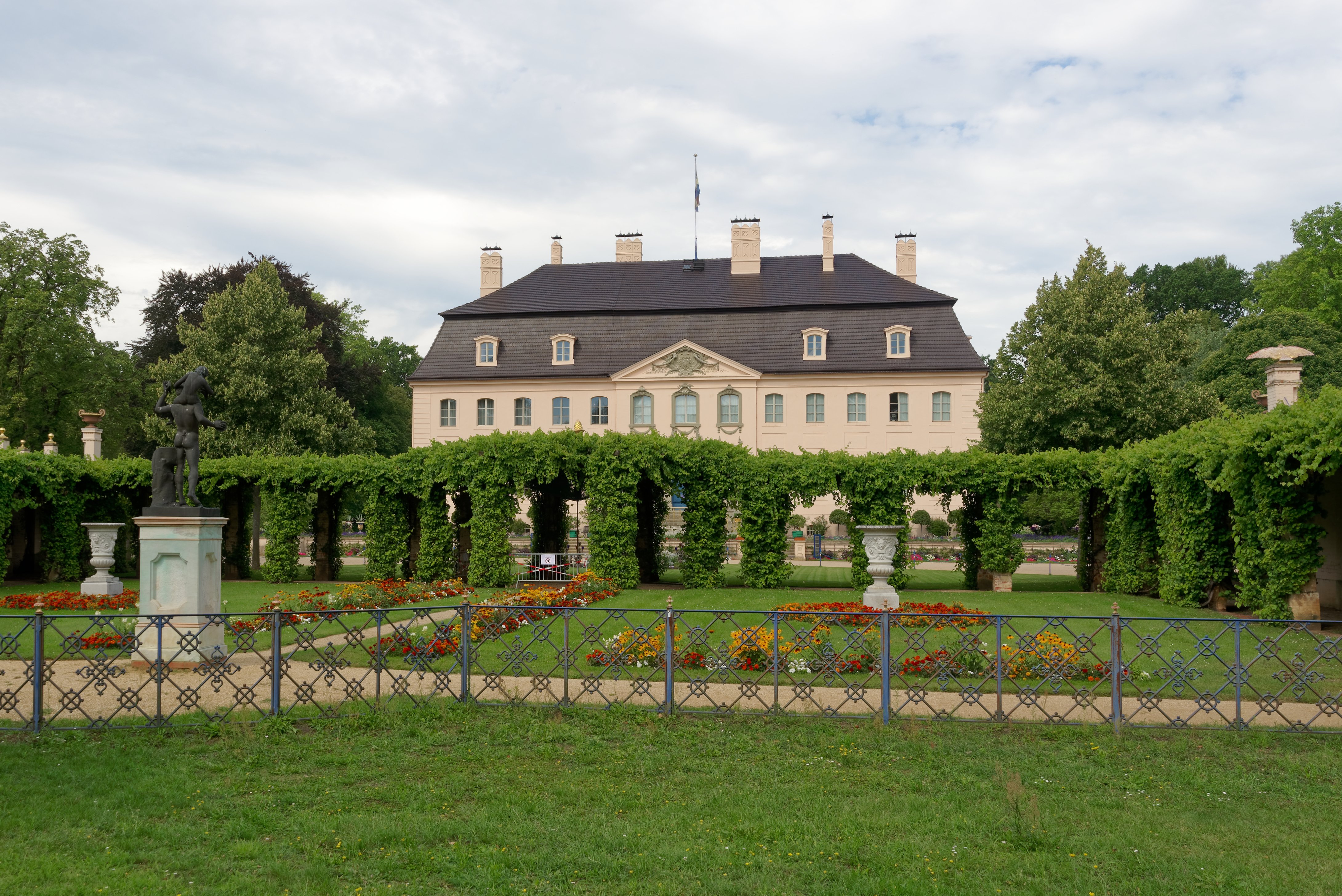
The centrepiece of a visit is Branitz Palace, on the southeastern edge of the city, where the eccentric Prince Pückler-Muskau spent 40 years creating one of the strangest landscape gardens in Europe — including a pyramid in the middle of a lake that serves as his mausoleum. Few especially old buildings survive in the city centre, but the Spremberger Turm and the Münzturm are solid medieval remnants, and the Staatstheater Cottbus on Schillerplatz is the only Art Nouveau theatre building in Germany.
The Wendish Quarter to the north of the Altmarkt is worth walking through for the bilingual signage and the living sense of a minority culture. Cottbus is also the most convenient large-city base for visits to the Spreewald, which begins just north of the city.
Cottbus is easily reached by train: Berlin is under two hours, Dresden and Leipzig are roughly two hours each.