Riedstadt
©
Riedstadt

Riedstadt

Hessian Ried town federation near the Rhine, beside floodplain forest and oxbow lakes.

Riedstadt is a federation of five once-independent communities — Goddelau, Crumstadt, Erfelden, Leeheim, and Wolfskehlen — spread across the flat Hessian Ried plain south of Darmstadt. It is not a tourist destination in the conventional sense, but nature lovers and birdwatchers will find a compelling reason to visit: the Kuhkopf-Knoblochsaue nature reserve, the largest protected area in Hessen, lies just across the Rhine.

The Kuhkopf is a former island in the Rhine, created when the river was straightened in the 19th century. Today it is a patchwork of old-growth floodplain forest, meadows, and oxbow lakes that floods regularly, creating rich habitat for birds, amphibians, and wild orchids. Walking trails cross the reserve, and in spring the birdwatching is excellent — herons, kingfishers, and white storks are common. The environmental education centre near Erfelden has maps and information.

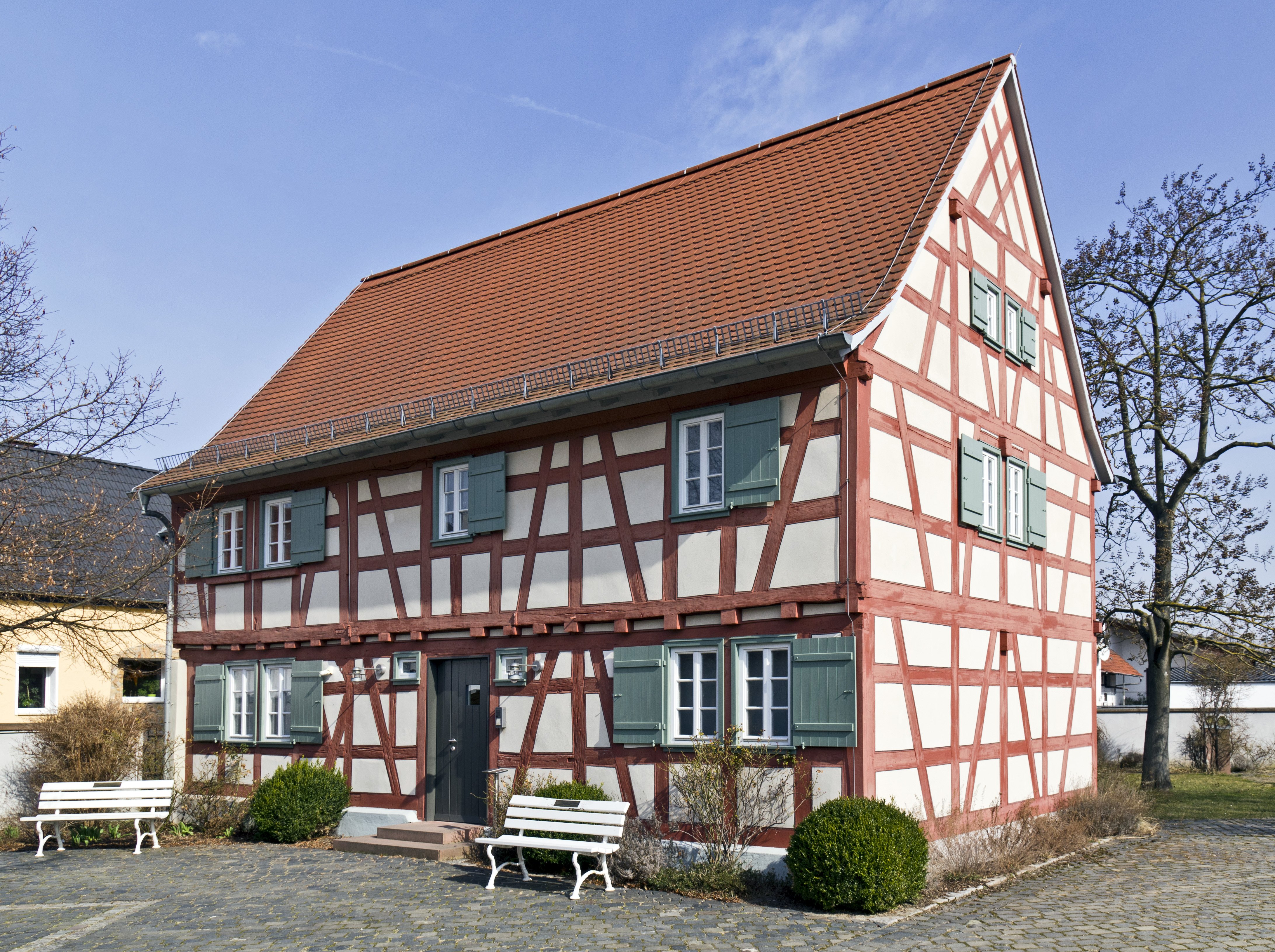
Riedstadt's other claim to cultural significance is as the birthplace of Georg Büchner, the 19th-century playwright and revolutionary, who was born in Goddelau in 1813. The Büchnerhaus museum in his birth house is small but well done, covering his short, intense life — he died at 23 — and his works, including Woyzeck and Danton's Death. The flat landscape of the Ried, with its long views and big skies, is good cycling country, and the Rhine Cycle Route connects the villages with the river and onward toward Darmstadt.

Guide

Eating Out

Riedstadt's dining options are limited but honest. The most notable restaurant is Restaurant Croatia - Zur Mühle in Wolfskehlen, a family-run place in a former mill that serves both German standards and Croatian specialties. For more variety, Darmstadt is 20 kilometres north and easily reached by S-Bahn.

Guide

Getting Around

The five villages that make up Riedstadt are spread across the flat Ried plain and are easily connected by bicycle. The terrain is entirely flat and the roads are quiet outside the B26 corridor. A bicycle is the ideal way to visit the Kuhkopf-Knoblochsaue reserve from Erfelden, explore the Rhine embankment, and link the villages.

There is no local bus service that connects the villages usefully for tourists. Taxis are available but expensive for the distances involved. Most visitors arrive by train at Riedstadt-Goddelau or Riedstadt-Wolfskehlen and either walk or cycle onward.

Guide

Getting There

Riedstadt is well connected by train despite its small size. The S-Bahn S7 line stops at Riedstadt-Goddelau and Riedstadt-Wolfskehlen stations, running frequently to Darmstadt (about 20 minutes) and continuing north toward Frankfurt (about 45 minutes). The stations sit on the Mannheim–Frankfurt railway, so regional trains also stop here.

By car, Riedstadt is reached via the B26 from Darmstadt or the A67 motorway, with exits at Biebesheim and Gernsheim to the south. There is no direct bus connection from Frankfurt airport; the easiest approach from the airport is the S-Bahn to Frankfurt main station and then the regional train or S-Bahn south.

Guide

Things to Do

Riedstadt's main draw is the natural landscape: the Kuhkopf-Knoblochsaue nature reserve, the largest in Hesse, lies just across the old Rhine arm from the village of Erfelden. Walking and cycling through the reserve's floodplain forest and oxbow lakes is the reason most visitors come. The Rhine Cycle Route runs along the embankment here, connecting the villages in a satisfying loop.

In Goddelau, the Büchnerhaus museum marks the birthplace of Georg Büchner — playwright, revolutionary, and one of the most extraordinary figures in German literary history, dead at 23 and still remarkably ahead of his time.

The Riedsee near Leeheim offers quiet swimming and birdwatching in a former gravel-pit lake, surrounded by the broad, low-lit skies of the Ried plain.