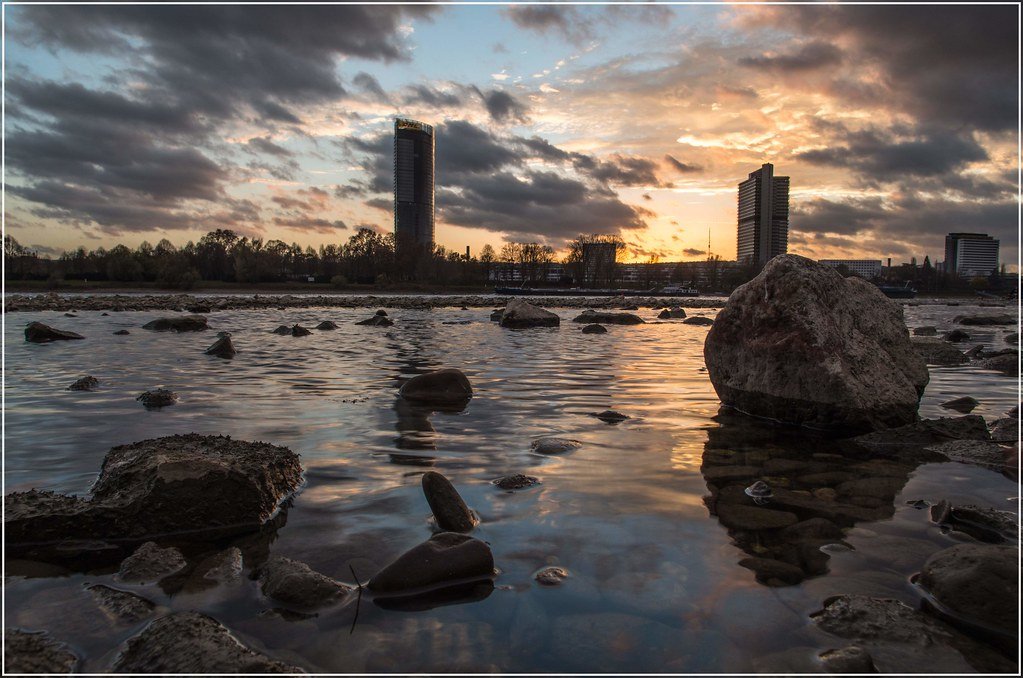
Bonn spent half a century as West Germany's unlikely capital -- a small Rhineland city thrust into the spotlight after the war, then quietly returned to civilian life when the government moved to Berlin in 1999. The result is a place with outsized cultural institutions and a relaxed university-town feel that catches visitors off guard.
The city's roots run deeper than Cold War politics. For centuries Bonn was the residence of the Electors of Cologne, and their baroque palaces still define the skyline. The Electoral Palace, now the main university building, anchors the Hofgarten park, connected by the elegant Poppelsdorfer Allee to Poppelsdorfer Schloss and its botanical garden. Beethoven was born here in 1770, and his legacy permeates the city -- from the Beethoven-Haus museum on the Bonngasse to the annual Beethovenfest that draws international orchestras each autumn.
The Museumsmeile along the road to Bad Godesberg packs four major museums into a single stretch -- the Haus der Geschichte, Kunstmuseum Bonn, Bundeskunsthalle, and the Museum Alexander Koenig -- while the compact old town around the Marktplatz keeps its medieval street plan and the baroque Altes Rathaus. The Bonn Minster anchors the Münsterplatz, and the Rhine promenade at the Alter Zoll offers one of the best river views in western Germany. With over 30,000 students, Bonn has no shortage of affordable restaurants, lively bars, and the kind of easy-going atmosphere that makes it a genuinely pleasant place to spend a few days.