North Rhine-Westphalia — Nordrhein-Westfalen in German, universally abbreviated NRW — is Germany's most populous state and its industrial heartland. It stretches from the Dutch and Belgian borders in the west to the hills of the Sauerland in the east, and holds more major cities in close proximity than anywhere else in the country: Cologne, Düsseldorf, Dortmund, Essen, Bochum, and Wuppertal all lie within a roughly 80 km arc.
The Ruhr region, running east from Duisburg through Essen to Dortmund, was the engine of German industrialisation and the furnace of two world wars. Most of the coal mines and steel works are closed now, and the region has reinvented itself with surprising creativity. The UNESCO-listed Zollverein colliery in Essen operates as an art museum and cultural centre. Duisburg's old harbour, once the largest inland port in Europe, is now a landscape park where you can walk through rusting blast furnaces. The transformation is not complete and the social challenges are real, but the Ruhr's industrial heritage has become genuinely worth visiting.
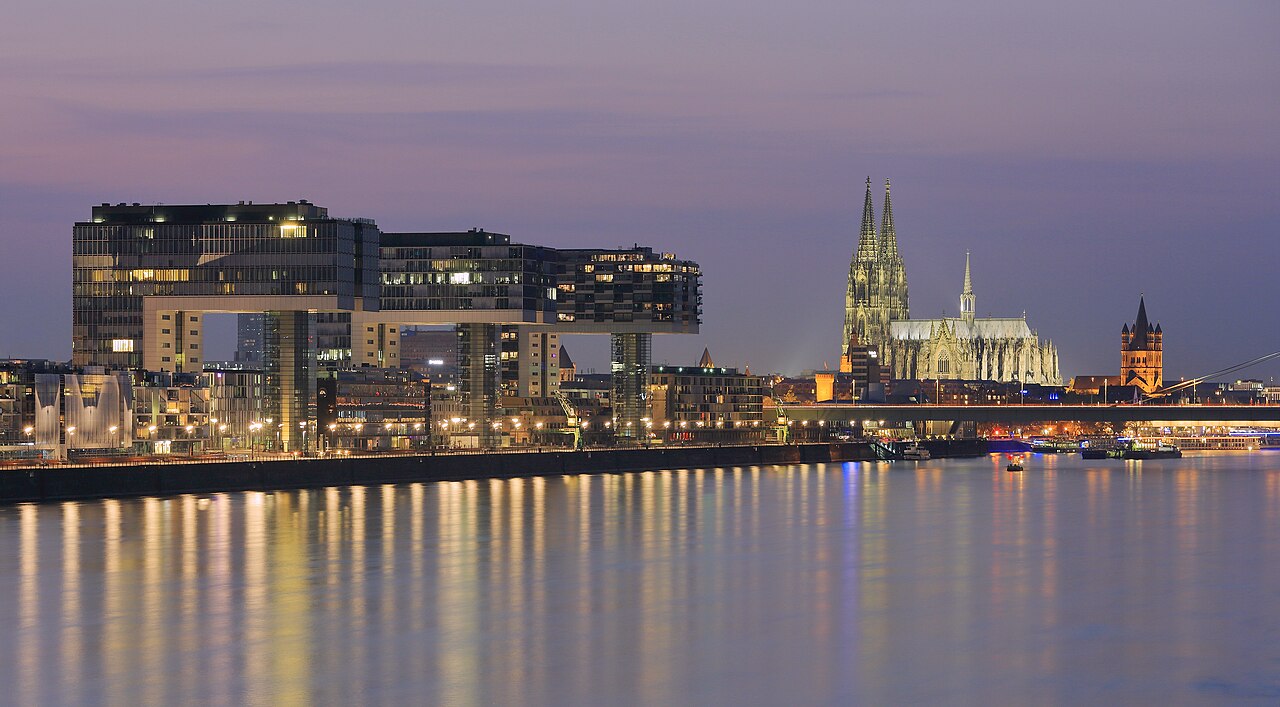
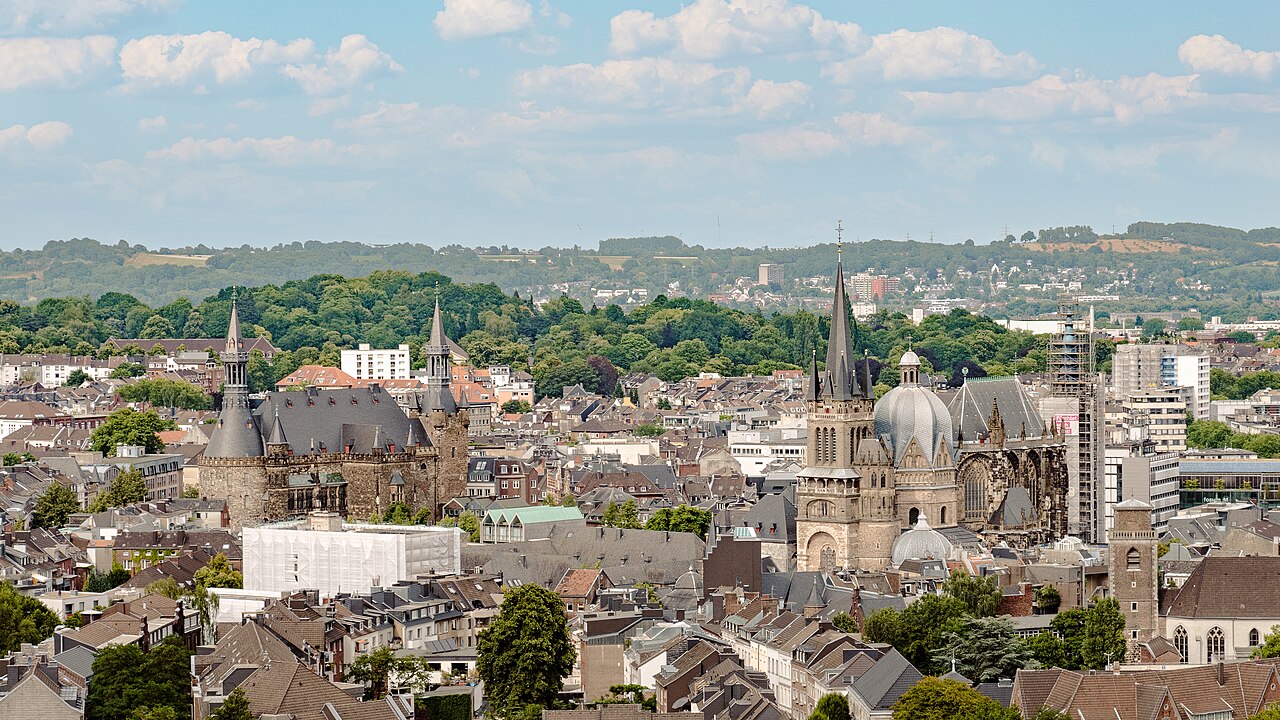
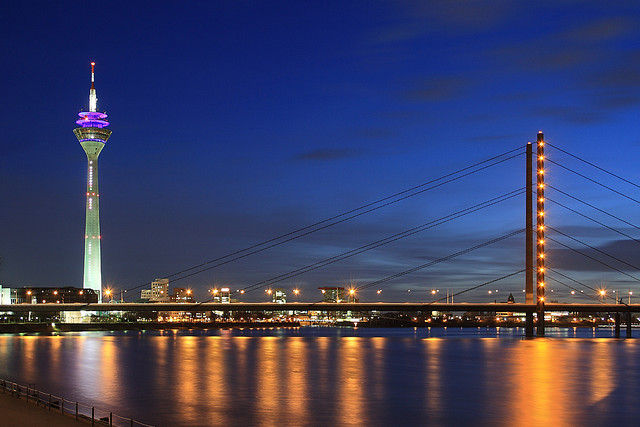
Cologne remains the cultural capital of the region, with its soaring Gothic cathedral, excellent Roman museum, and a lively riverfront. Düsseldorf is the wealthiest city, known for fashion, media, and a strong Japanese community. Bonn was West Germany's modest federal capital for four decades and retains excellent museums. Aachen near the Belgian and Dutch borders has Charlemagne's cathedral and a thriving university city feel. To the south, the river landscapes of the Rhine, Ahr, and Mosel valleys offer good cycling and wine. The Sauerland hills to the east give the state its lung — forested ridges, reservoirs, and small spa towns that have served the industrial cities since the 19th century.