Schleswig-Holstein is Germany's northernmost state, pressed between Denmark to the north, the North Sea to the west, and the Baltic Sea to the east. It is a flat, windswept land of fields, heathland, thatched farmhouses, and long coastlines. The landscape is not dramatic, but the light is extraordinary — the big skies and double coastline give it a quality that has drawn painters since the 19th century.
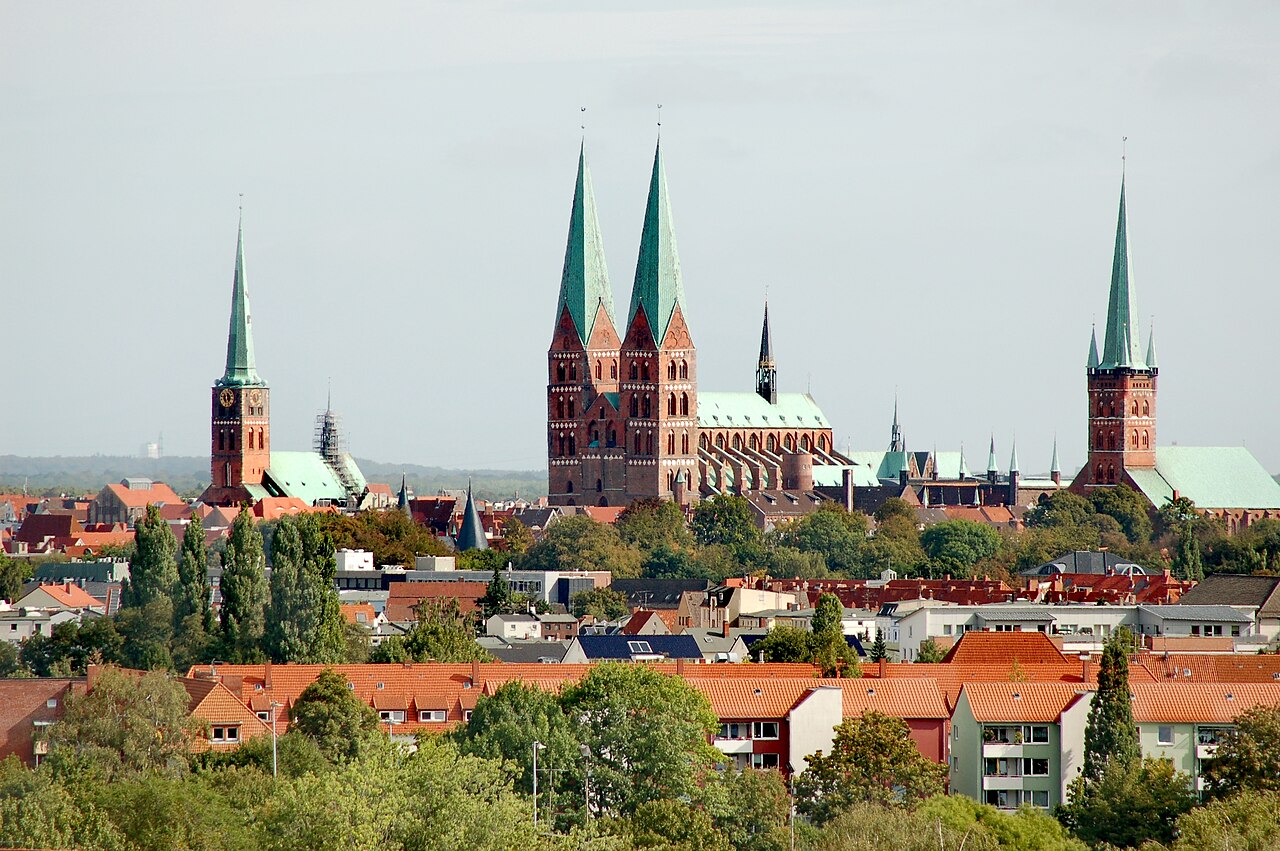
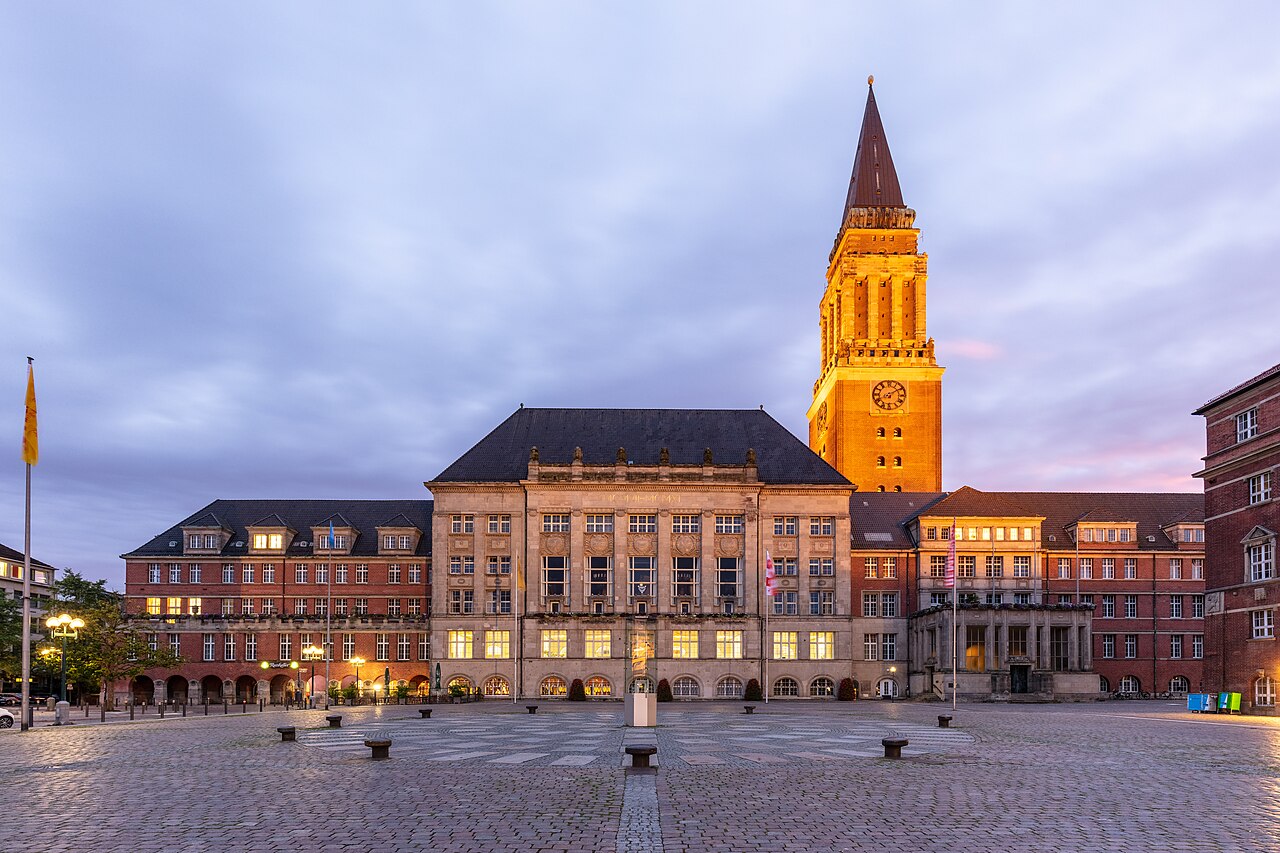
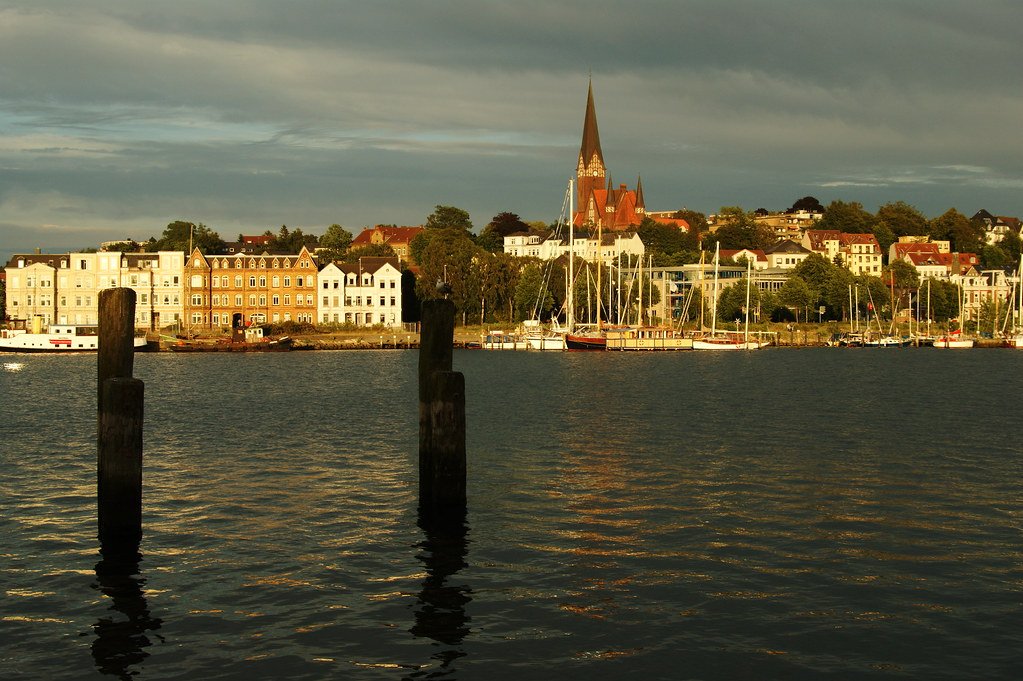
Lübeck is the most visited city, a medieval Hanseatic trading city whose old town, packed with red-brick Gothic churches and patrician houses, is a UNESCO World Heritage Site. Kiel is the state capital and home to Germany's main naval base and the annual Kieler Woche sailing regatta, one of the largest in the world. Flensburg sits right on the Danish border and has a distinctly hybrid character, with a strong rum-trading history and a cheerful harbour quarter. Schleswig, the ancient capital, is quieter and worth a visit for its cathedral and the Viking ship collection at Schloss Gottorf.
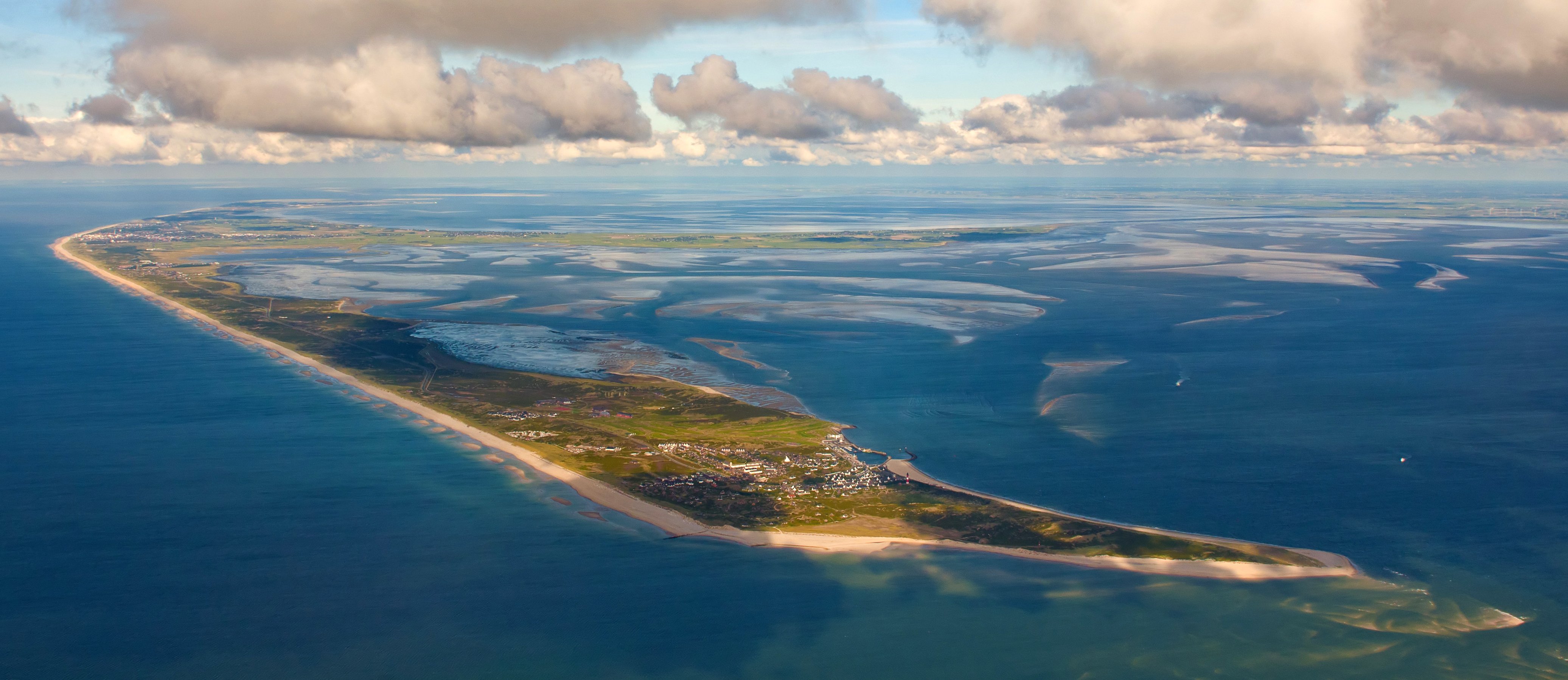
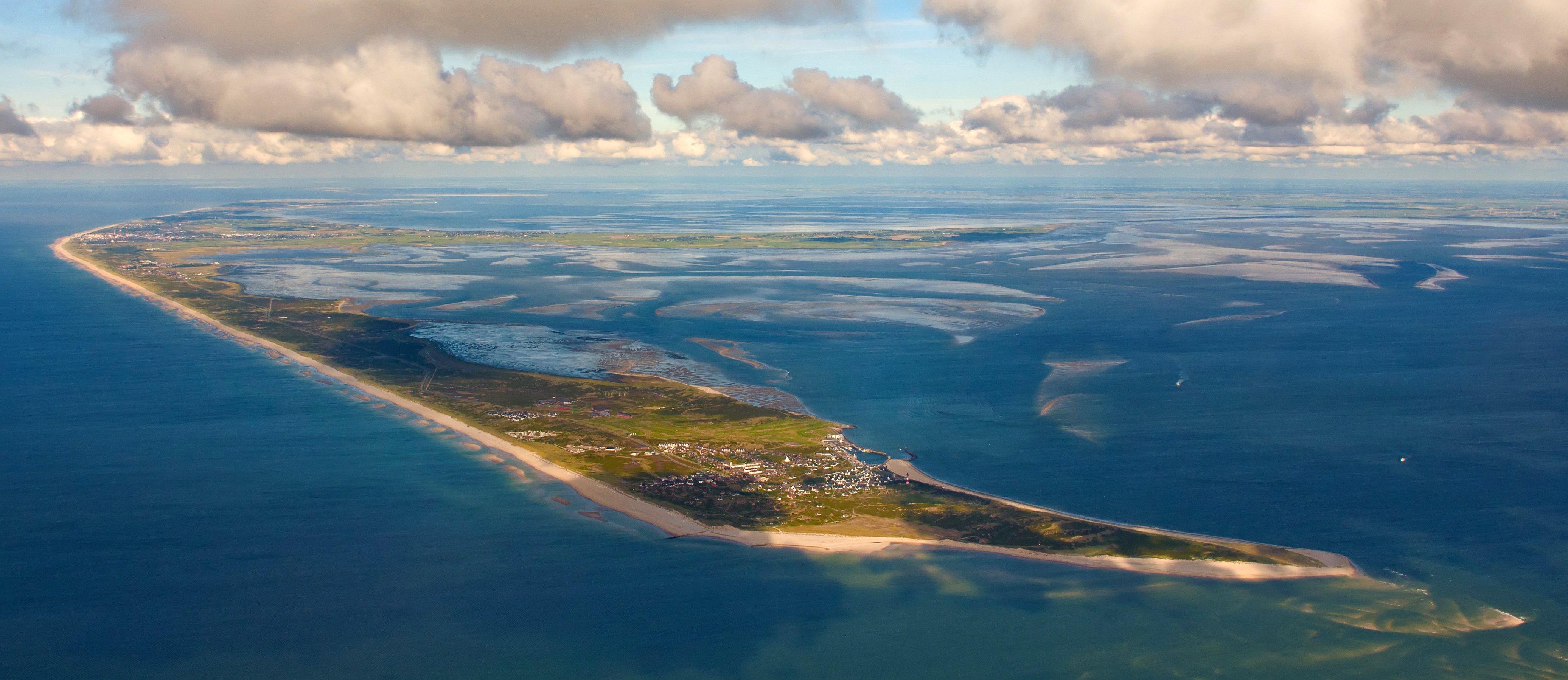
The North Frisian Islands — Sylt, Föhr, Amrum, and others — lie off the North Sea coast, connected by causeway or ferry. Sylt in particular has become fashionable as a German beach resort, with expensive restaurants and wide tidal beaches. The island has a distinct flavour: sand dunes, beach clubs, and Frisian thatched houses in almost equal measure.