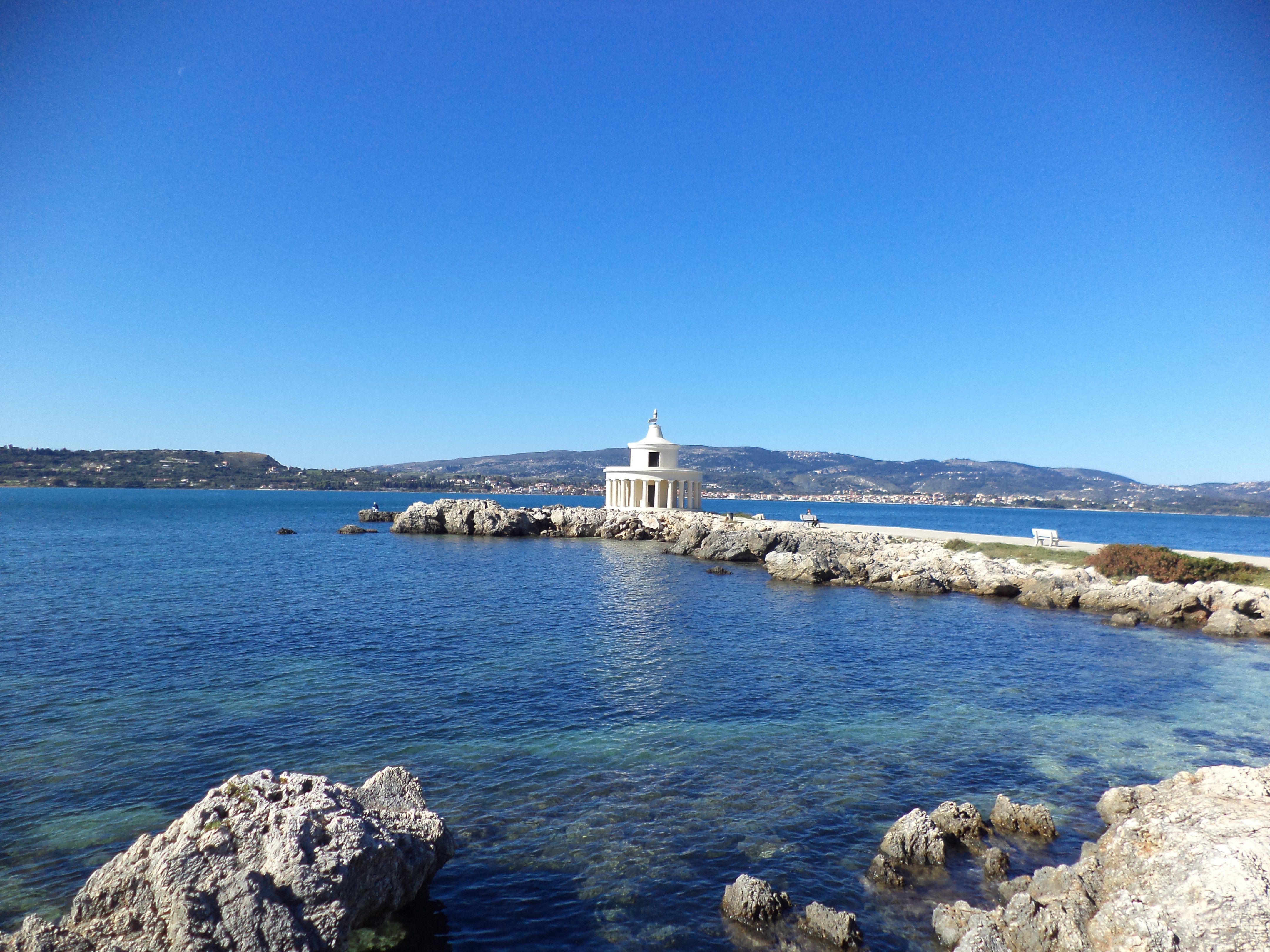
Argostoli
©
Argostoli

Argostoli

Cephalonia's rebuilt capital on a sheltered bay, with a waterfront market and the Drapano Bridge.

Argostoli is the capital of Cephalonia, sitting at the head of a long landlocked bay. The 1953 earthquake levelled most of the town, and it was rebuilt in a functional rather than picturesque style — don't come expecting Venetian grandeur. What it does have is a lively, working-town energy: a colourful waterfront market where local farmers sell produce, plenty of cafes along the esplanade, and good connections to the rest of the island.

The Drapano Bridge stretches across the lagoon at the edge of town — an elegant stone causeway that dates back to the British protectorate period. Just outside town, the Katavothres sea mills are a geological curiosity: seawater disappears into holes in the limestone and, it was discovered in the 1960s, re-emerges on the other side of the island near Sami.

Guide

Eating Out

Cephalonia has its own strong food identity, and Argostoli is the best place on the island to eat it. The regional speciality is kreatopita — a meat pie made with a filling of mixed meats, rice, and spices sealed in flaky pastry. Unlike the spinach- or cheese-filled pies more common elsewhere in Greece, kreatopita is substantial enough to be a full meal. Look for it at bakeries and traditional tavernas rather than tourist restaurants.

The island's wine is Robola, a dry white made from a grape variety grown only in Cephalonia. It's crisp and slightly citrusy, excellent with fish, and criminally underknown outside Greece. Order it by the carafe at any taverna; it's the right choice for almost everything on the menu.

Patsouras — a long-established taverna on the waterfront esplanade, serving grilled octopus, fresh fish, and the full range of Cephalonian dishes. The octopus hung to dry outside is a reliable indicator of quality. Booking ahead in August is advisable.

To Arhontiko — a small traditional restaurant in the central streets, away from the waterfront, where the local kreatopita and other Cephalonian pies are done particularly well. Fills up with Greek families at lunch; arrive early or late.

Kafeneion tou Kyriakoulis — an old-fashioned coffee house near the main square where Argostoli's older generation gather in the mornings. Good Greek coffee, loukoumades (fried dough balls with honey), and a sense of how the town works before the tourists are up.

Guide

Getting There

Cephalonia is reached by ferry or by air. The main ferry routes serve Argostoli directly from Killini on the Peloponnese (about 2.5 hours) and, seasonally, from Patras (about 3 hours). Ferries also connect other ports on the island — Sami and Poros — to the mainland, though these are less convenient if Argostoli is your destination. The ferry harbour is in the centre of town.

Cephalonia International Airport (IATA: EFL) is about 9 kilometres south of Argostoli and handles direct flights from Athens (under an hour) year-round, plus a large number of seasonal charter flights from the UK and northern Europe during summer. In July and August multiple flights per day arrive from British airports. Taxis from the airport to the centre of Argostoli take about 15 minutes; there is also a bus connection.

Guide

When to Go

May, June, and September are the best months to visit Argostoli and Cephalonia. The weather is warm and settled, the island is not yet overwhelmed with visitors, prices are lower, and the landscape is at its most varied — wildflowers in spring, golden hills in early autumn. October is increasingly popular with travellers seeking a quieter experience and remains warm enough for swimming well into the month.

July and August are peak season: very hot, crowded, and expensive. The main beaches can feel overwhelmed. If you're coming in high summer, book ahead and arrive in Argostoli rather than a beach resort — the town has its own rhythm that functions independently of the tourist rush.

Cephalonia's Carnival season (Apokries) in February and March features some of the most elaborate masked processions in the Ionian Islands — more Italian in character than the Athenian carnival. The 12 August commemoration of the 1953 earthquake is a solemn civic event rather than a tourist occasion, but it explains why the entire town pauses on that date.