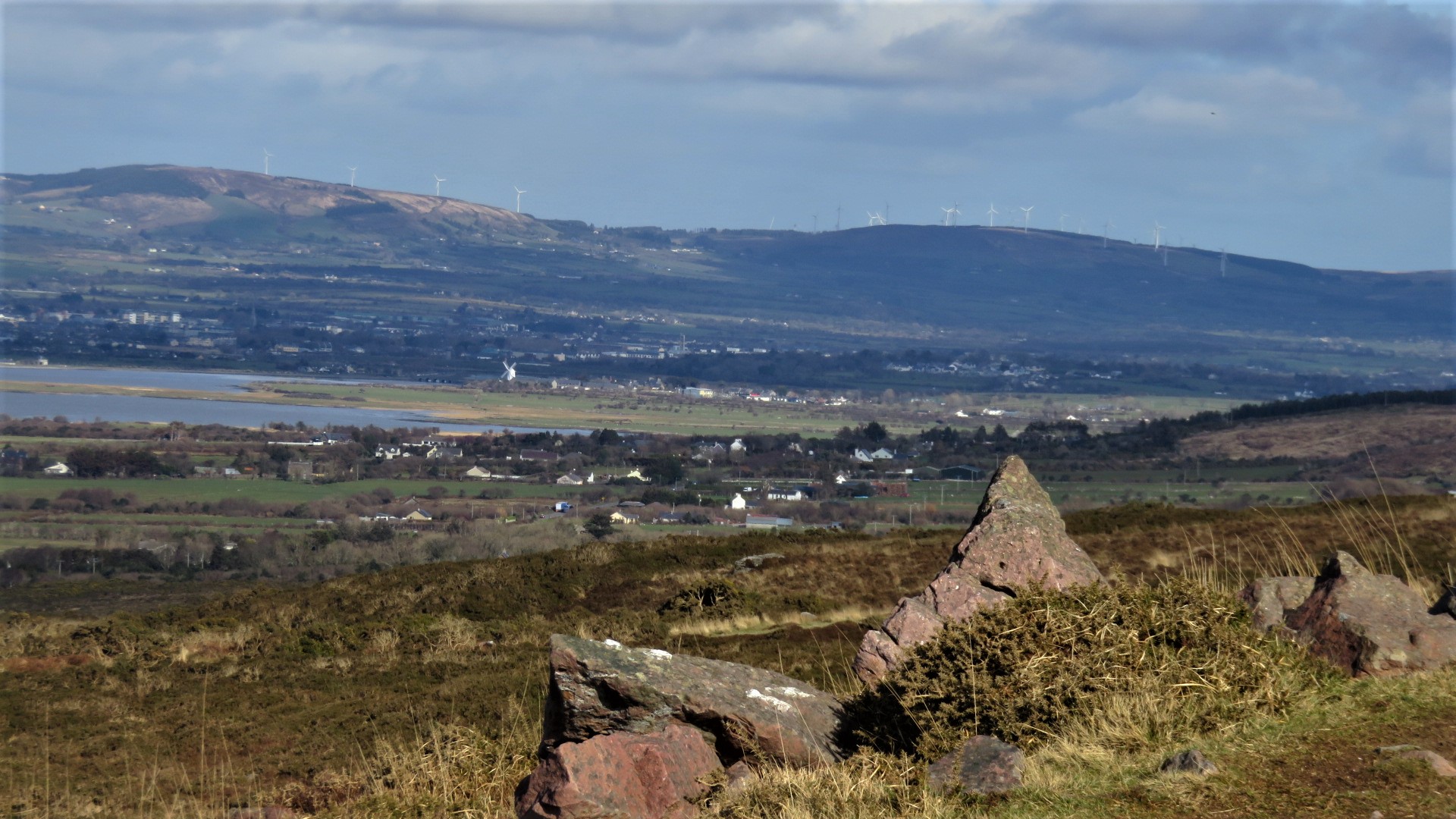
Kerry county town and practical gateway to the Dingle Peninsula, with parks, pubs, and local history.
Tralee is the county town of Kerry and the main gateway to the Dingle Peninsula, one of the most spectacular stretches of coastline in Ireland. The town itself is a practical, unpretentious place — not a beauty spot, but a good base with decent pubs, restaurants, and all the services you need.
The Town Park, with its rose garden and canal walk, is one of the nicest urban green spaces in the west of Ireland. The Kerry County Museum does a good job of covering local history from the Stone Age to the War of Independence, and holds a dedicated exhibition on Tom Crean, the Kerry-born Antarctic explorer. The Blennerville Windmill, a 10-minute drive west, is Ireland's largest working windmill and has a visitor centre focused on the Famine emigrations that set out from this coast. Siamsa Tíre, the National Folk Theatre, stages traditional music and dance productions through the summer.
But the real draw is access: the Dingle road runs west from here into some of Ireland's wildest scenery, and the Ring of Kerry starts just to the south. Tralee also hosts the Rose of Tralee festival every August, a distinctly Irish affair that fills every pub and B&B in town.
Guide
Getting There
Tralee is the western terminus of the rail line from Dublin via Mallow and Killarney. Direct trains from Dublin take about 3 hours 30 minutes; from Cork the journey is about 2 hours with a change at Mallow. The train station (Casement Station) is a short walk from the town centre. Bus Éireann operates services connecting Tralee to Cork, Limerick, and Killarney.
Kerry Airport (IATA: KIR) is about 15 kilometres south of Tralee near Farranfore. Aer Lingus and Ryanair operate flights from Dublin, and there are seasonal services from London and other European cities. By car from Cork, the N22 takes about 1 hour 45 minutes.
Guide
When to Go
Tralee has a maritime temperate climate: mild winters, cool summers, and rain distributed fairly evenly throughout the year with a slight bias toward autumn. Average July temperatures are around 17°C; January averages around 6°C. The Gulf Stream keeps the winters much milder than the latitude would suggest.
The best time for outdoor activity — hiking the Dingle or Ring of Kerry — is May to September, when the days are longest and the weather most settled (though "settled" is relative in Kerry). July and August are the busiest months for tourism and correspondingly harder for finding accommodation.
Rose of Tralee Festival: The last week of August, usually centred on the Bank Holiday weekend. This nationally televised competition and festival fills every pub, B&B, and street in the town with enormous crowds. Either plan around it or embrace it: it is genuinely entertaining if you enjoy the particular flavour of Irish festivities, but trying to visit Tralee quietly that week is not possible.