Europe > Italy > Campania > Pompeii
On the morning of 24 August, 79 AD, Mount Vesuvius erupted and buried Pompeii under several metres of volcanic ash and pumice, killing perhaps 2,000 of its 20,000 residents. For archaeology, this was extraordinarily lucky: the city was sealed at a single moment in time, preserving not just buildings but streets, gardens, food, and — thanks to the plaster-cast technique developed by excavator Giuseppe Fiorelli — the shapes of the people who died.
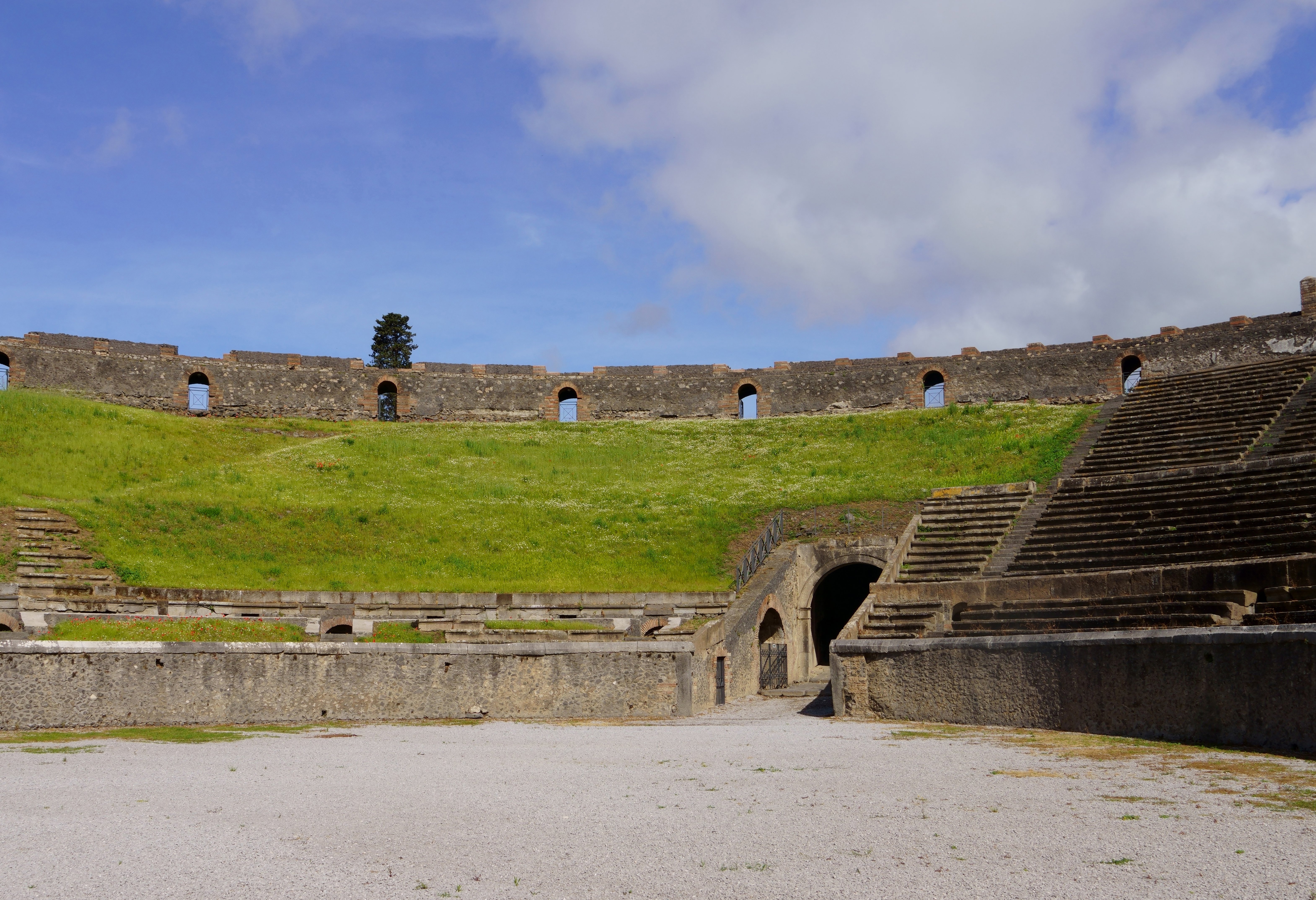
Pompeii was one of the most important commercial cities in Campania, and the excavations reveal a sophisticated urban life: bakeries with their millstones and ovens intact, taverns with painted wine lists, public baths, a large theatre, a 20,000-seat amphitheatre (the oldest surviving in the world), and houses decorated with frescos and mosaics. The famous erotic paintings are in the Lupanare, the brothel near the forum; the finest mosaics and frescos are mostly now in Naples' National Archaeological Museum.
Walking the site takes at least half a day; a full day is better. The House of the Vettii, the Villa of Mysteries, the House of the Tragic Poet (with its famous Cave Canem mosaic), and the Forum are essential. The House of the Faun, Temple of Isis, Garden of the Fugitives, and the Amphitheatre round out a full day. Bring water — there is little shade and the site is large.
Entry: around €16. Combined tickets with Herculaneum and other sites are available. Hours: 9am–7:30pm April–October, 9am–5pm November–March (last entry 90 minutes before closing). Closed Tuesdays.