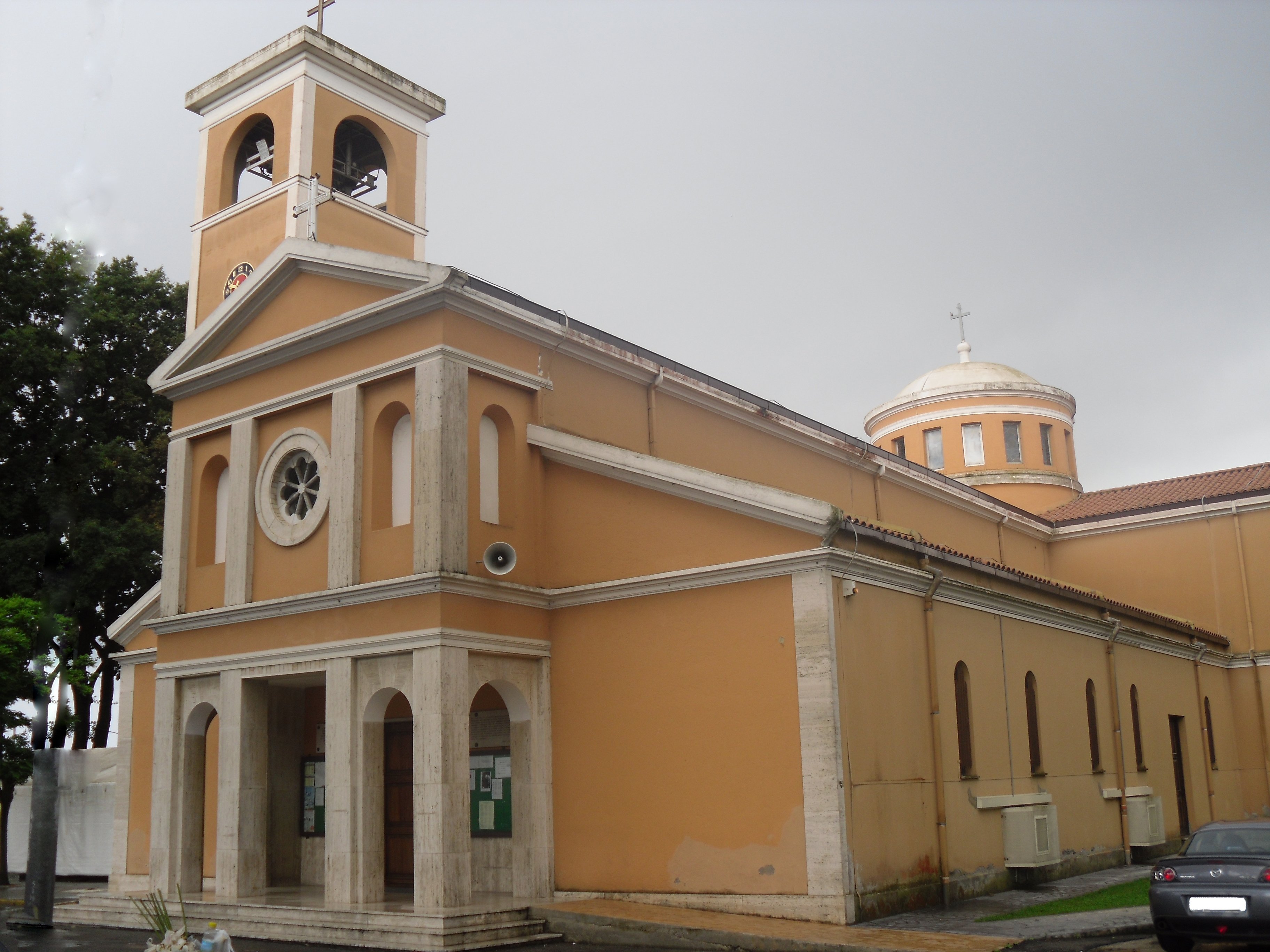
Planned Lazio city from the Pontine Marshes, with rationalist piazzas and nearby beaches.
Latina is a planned city about 60 kilometres south of Rome, built in 1932 during the draining of the Pontine Marshes. The rationalist architecture of the city centre — all clean lines and wide piazzas — gives it a distinctive look quite unlike the older towns around it.
The city itself is not a major tourist draw, but it sits close to some excellent coastline. The beaches at Sabaudia and Sperlonga are among the best in Lazio, and the Circeo National Park, with its forested promontory and coastal lakes, is a worthwhile day trip. Latina also makes a practical base for exploring the southern Lazio coast without Rome's prices or crowds.
Guide
Day Trips
Latina's location between Rome and the southern Lazio coast makes it a practical base for exploring a surprisingly varied area. The beaches at Sabaudia and Sperlonga are some of the best in Lazio — Sabaudia sits inside Circeo National Park, while Sperlonga has a dramatic clifftop old town above a turquoise bay, along with the impressive Grotto of Tiberius and its associated Roman museum. The hill town of Sermoneta, about 20 km north of Latina, is a beautifully preserved medieval settlement built around the Caetani Castle; the nearby Abbey of Valvisciolo is a working Cistercian monastery with a good Romanesque cloister. For Roman history, Terracina (30 km south) has the Temple of Jupiter Anxur on the cliffs above town.