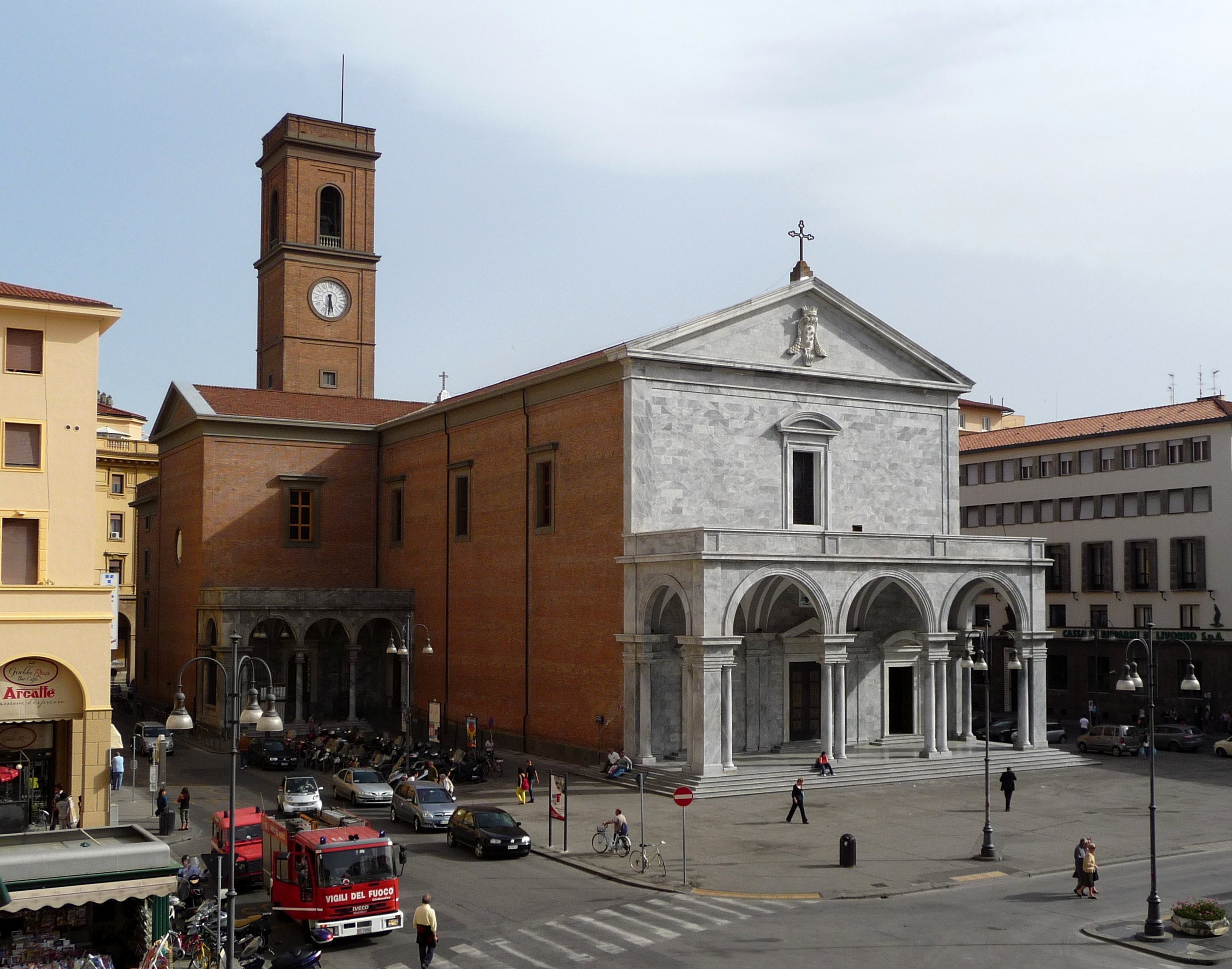
Livorno is Tuscany's port city, built by the Medici in the late 16th century as a grand commercial harbour and designed from scratch by the architect Bernardo Buontalenti. It has none of the medieval charm of Florence or Siena, but it has character of a different kind — a cosmopolitan, slightly rough-edged trading city with canals, fortresses, and a long history of religious tolerance.
In 1590, Ferdinando I de' Medici declared Livorno a porto franco (free port) and enacted the Leggi Livornine, laws guaranteeing freedom of religion and trade. The result was a city that attracted merchants, refugees, and adventurers from across the Mediterranean — Jews, Greeks, Armenians, English, Dutch. The old Venezia Nuova quarter, laced with navigable canals, still reflects that cosmopolitan past.
The Old Fortress and a New Fortress guard the harbour, and the Medici Port is worth a stroll. The Monument of the Four Moors at Piazza Micheli is one of the most compelling — and debated — pieces of public sculpture in Tuscany. Above the city, the Santuario di Montenero offers sweeping views over the Tyrrhenian Sea and a stunning gallery of ex-voto paintings spanning five centuries. Livorno is also known for its fish cuisine, particularly cacciucco, a rich, spicy fish stew that is the city's signature dish — try it at Trattoria da Galileo.
For art lovers, the Museo Civico Giovanni Fattori presents the Macchiaioli painters, Italy's answer to Impressionism, led by Livorno-born Giovanni Fattori. The New Synagogue stands as testimony to the city's exceptional history of tolerance. Livorno also makes a good base for a ferry to the island of Elba, Napoleon's first exile, just an hour offshore.