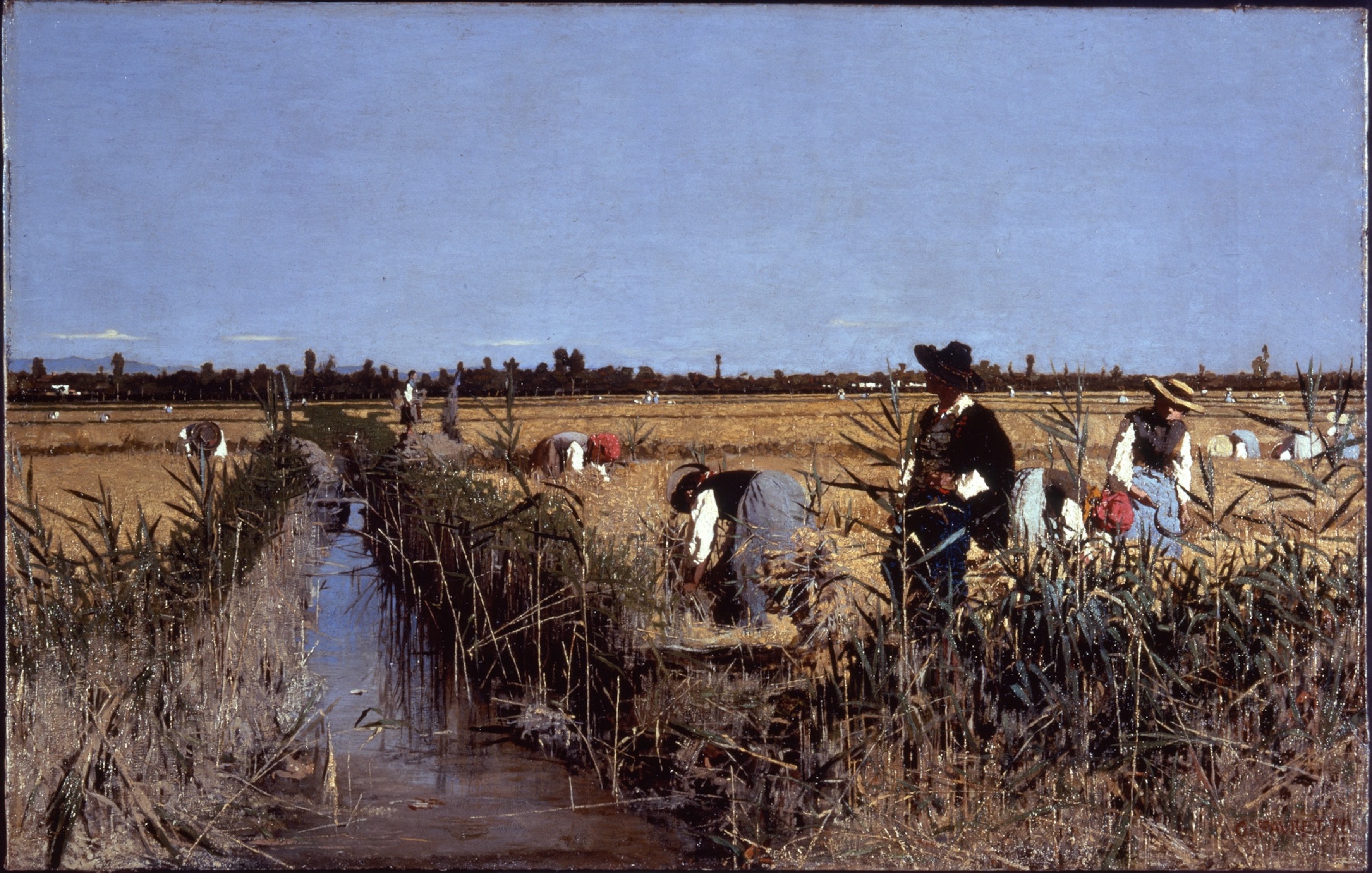
The Basso Veronese is the flat agricultural plain south of Verona, stretching between the Adige River and the Po. This is one of Italy's most productive farming zones — irrigated by a network of canals and ditches — but it is also rich in history, as the extraordinary number of castles and fortified towns demonstrates.
A castle tour through the area makes a fine day trip. Nogarole Rocca has a castle that was burned in 1233 and rebuilt by Lotario II. Isola della Scala's castle dates from 1011. Sanguinetto has a handsome Scaliger fortress from the 14th century, now used as the town hall, theatre and library. The castle at Bevilacqua, famous since 1336, is well preserved. The crown jewel is Montagnana, one of the most striking fortified towns in Italy, enclosed by nearly two kilometres of intact medieval walls with 24 towers. It hosts the Palio of the 12 Paduan Communes on the first Sunday of September each year.
The landscape has a quiet, melancholy beauty, especially in autumn when the fields are bare and the mist rolls in from the river. Some towns, particularly around Bovolone, are known for handcrafted period furniture, a tradition that goes back generations. This is not tourist country — you are unlikely to hear English — but that is part of the charm.