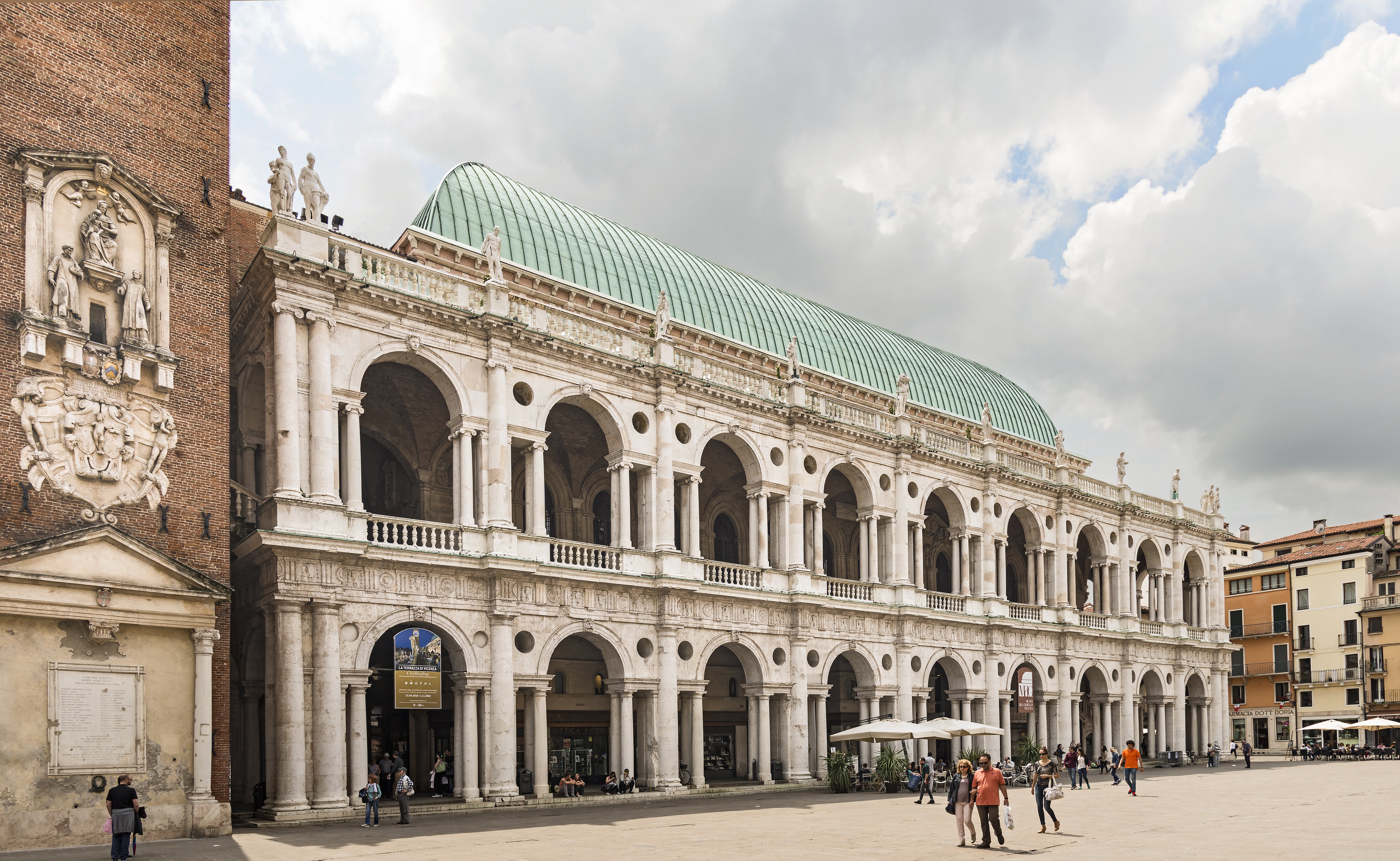
Vicenza is located at the foot of the Berici mountains, at the confluence of the Retrone and Bacchiglione rivers, on the upper Venetian plain between Verona and Padua.
The city's identity is inseparable from Andrea Palladio, the 16th-century architect who adopted Vicenza as his home and used it as a proving ground for his ideas. His work here — the Basilica Palladiana, the Teatro Olimpico, the Loggia del Capitaniato, and dozens of private palaces — transformed the city and eventually the architecture of the western world. UNESCO recognised this in 1994. A full day is enough to see the main works; the surrounding Palladian villas in the countryside, above all Villa La Rotonda, justify a return visit.
The city centre is pleasant and manageable on foot. Contra Porti is the finest street for architectural wandering. Parco Querini, the main public garden, provides a green counterpoint to all the marble. The Palazzo Chiericati houses the civic museum. And for a reminder that Vicenza produced more than one remarkable figure, the Antonio Pigafetta birthplace marks the house of the man who sailed with Magellan and wrote down the first circumnavigation of the globe.