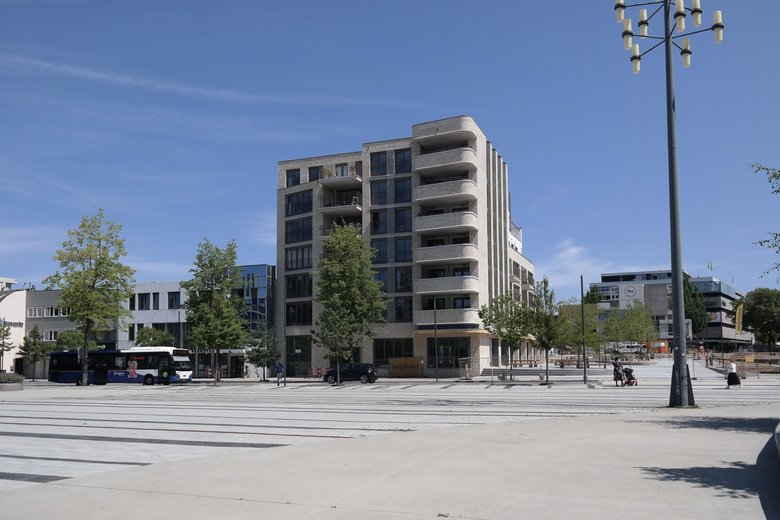
Heerlen is a city in the far south of the Netherlands, in the hilly province of Limburg, just a few kilometres from the German and Belgian borders. It was once a prosperous coal mining town, and the closure of the mines in the 1960s and 70s hit it hard. The city has been reinventing itself since, and while it still has a rough edge, there is more here than first meets the eye.
The standout attraction is the Thermenmuseum, built over the remarkably well-preserved remains of a Roman bathhouse dating from the first century AD. Heerlen -- then called Coriovallum -- was an important stopping point on the Roman road from Boulogne to Cologne, and the museum gives a vivid sense of daily life on the empire's northern frontier. The Schunck cultural centre, housed in a striking 1930s department store building made largely of glass (known locally as the Glaspaleis), is one of the finest examples of modernist architecture in the Netherlands.
The surrounding South Limburg hills offer excellent walking and cycling, with rolling countryside, half-timbered farmhouses, and views that feel more like Belgium or Germany than the flat Netherlands most visitors know. The area is also one of the few parts of the country with a genuine food and wine culture -- Limburg vlaai (fruit pies) are ubiquitous, and the local Burgundian attitude toward eating and drinking is infectious. Heerlen is well connected by train to Maastricht, Aachen, and the rest of the Randstad.